


Antique Table Glassware
Antique table glassware brings Georgian and Victorian character to the table, offering rich colours and heavy lead crystal forms that collectors prize.

What antique table glassware is
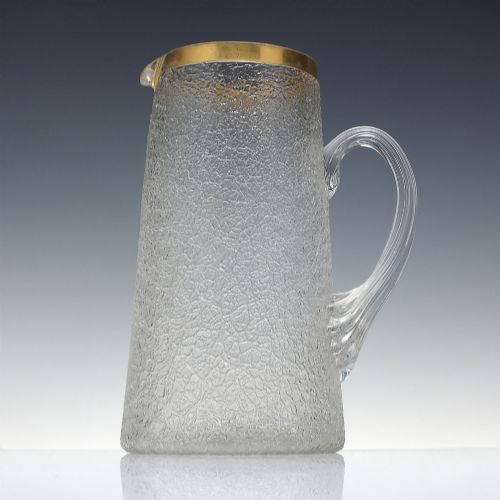
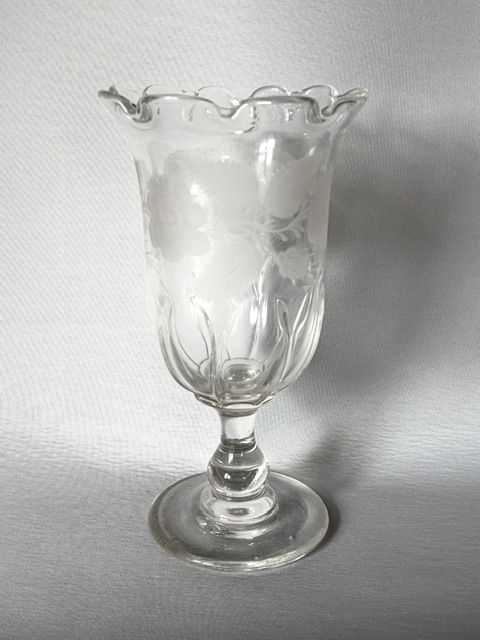
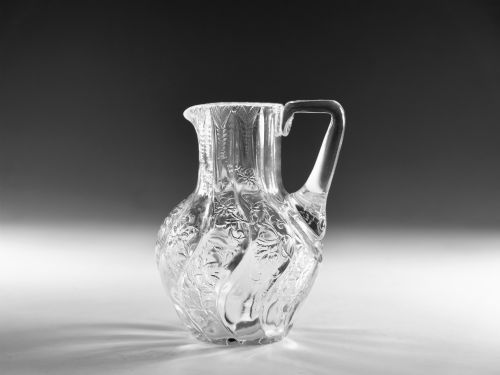
Antique table glassware encompasses functional and decorative items designed for dining and serving, spanning the Georgian, Victorian, and Edwardian eras. Buyers searching for antique table glassware encounter items such as wine glasses, jugs and pitchers, decanters, and rummers.
The selections available include both matched sets and individual statement pieces, reflecting the diverse domestic needs of past centuries. From chunky late Georgian rummers to sets of amethyst wine glasses with bobbin stems, these vessels reveal the shifting tastes of British dining rooms.
How they were made
The pieces recorded in the evidence utilise various glass-making techniques, predominantly hand-blown methods alongside lead crystal and flint glass production. Artisans shaped these materials while hot, often employing skilled cutting techniques to catch the candlelight on dining tables.
Makers utilised coloured glass formulas, producing distinct hues such as emerald green and amethyst through metallic oxide additions during the melting process. Finished items required careful annealing to relieve internal stresses before any final facet cutting or polishing took place.
Current listings span the Georgian, Victorian, and Edwardian periods, featuring lead crystal, flint glass, and coloured varieties.
What varies in quality
Quality in these items rests on the crispness of the cutting, the weight and clarity of the metal, and the harmony of the overall form. Heavy lead crystal and robust flint glass indicate a higher standard of material use compared to lighter, more ordinary metal.
The finesse of the stemwork and the depth of the hand-blown colour define the upper tier of the range. Subtle variations in the depth of emerald green or the precision of bobbin stems separate standard utilitarian vessels from superior examples.
Stevens & Williams
The Antique Table Glassware Glossary
- Lead crystal
- A heavy, brilliant form of glass containing lead oxide, which increases refractive index and makes cutting sharper. This material defines many superior decanters and rummers from the Georgian and Victorian periods.
- Flint glass
- An early British term for clear potash-lead glass, prized for its transparency and weight. It served as the primary medium for fine dining vessels before mid-nineteenth-century formula shifts.
- Rummer
- A large, sturdy wine or grog glass with a short stem and a capacious bowl, common in the Georgian era. These substantial vessels were designed for heavy toasts.
- Bobbin stem
- A glass stem formed with spherical or disc-like nodes resembling wooden bobbins, popular on nineteenth-century drinking vessels. This decorative turning adds tactile grip and visual rhythm.
- Decanter
- A stoppered glass vessel used for holding and serving wine at the table. Late Georgian examples demonstrate heavy construction and deep neck rings.
Frequently Asked Questions
What is antique table glassware?
Antique table glassware comprises functional vessels utilised for dining and serving beverages, produced during periods such as the Georgian and Victorian eras. These items include wine glasses, decanters, jugs, and rummers.
They reflect the domestic customs and glass-making skills of British workshops from the eighteenth and nineteenth centuries. Collectors value them for their historical utility and craftsmanship.
How do I date Georgian glassware?
Dating Georgian glassware involves examining the weight of the metal, the presence of pontil marks, and the specific vessel form. Late Georgian items often feature heavy, chunky proportions and hand-blown characteristics.
Comparing the cut patterns and material composition against documented pieces helps establish the likely period of manufacture. Stylistic markers such as thick foot rims provide further chronological clues.
How were coloured wine glasses made?
Coloured wine glasses were produced by adding specific metallic oxides to the molten glass batch before blowing. Amethyst and emerald green required precise chemical mixtures and high temperatures.
Craftsmen then shaped the coloured metal by hand, sometimes casing a layer of colour over clear crystal before cutting facets. This technique exposed the clear glass underneath for a striking visual contrast.
What is a rummer glass?
A rummer is a large, heavy-bowled drinking glass with a short stem and a broad foot, designed for serving ale, wine, or grog. Georgian rummers possess a robust character suited to communal dining.
Their substantial weight and thick walls prevented easy tipping on busy tavern or dining tables. They remain sought-after examples of early nineteenth-century utilitarian design.