
Georgian Wine Decanter
A Georgian wine decanter brings heavy lead glass, crisp cut patterns and named liquor labels straight to the dining table.
Identifying a Georgian wine decanter
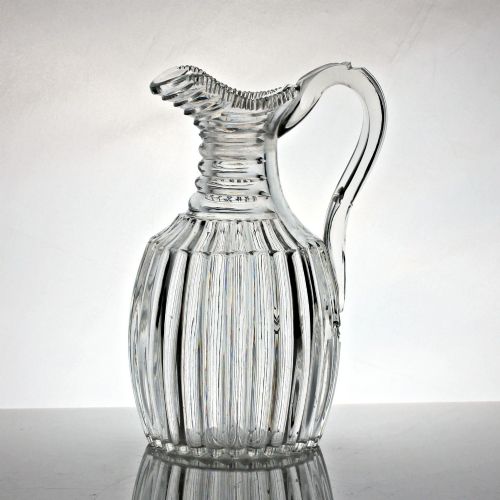
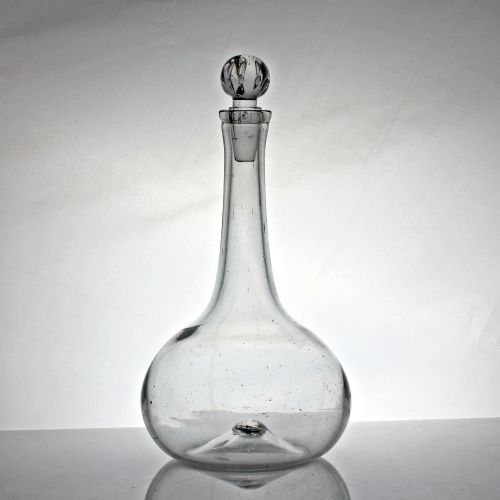
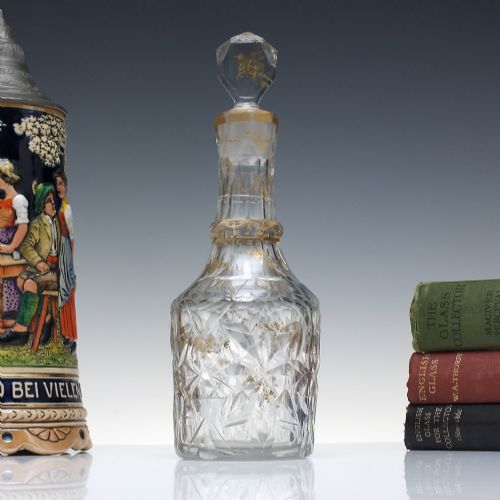
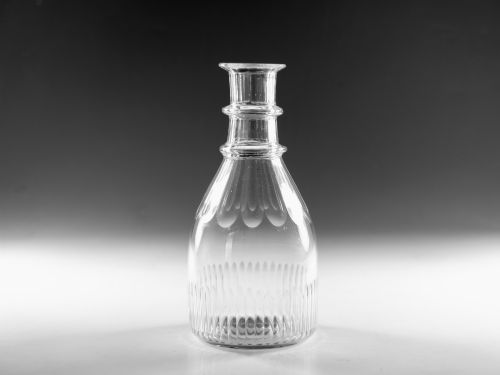
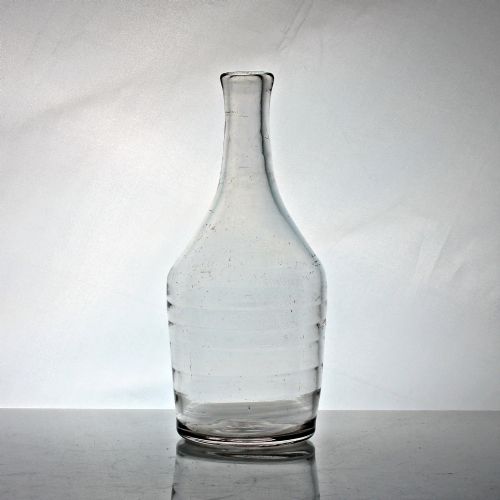
A Georgian wine decanter is a heavy vessel designed to hold and serve wine during the eighteenth and nineteenth centuries. These pieces appear in forms such as shoulder decanters, mell decanters, Prussian style vessels and carafes. They originate primarily from English workshops spanning the Georgian era, including specific examples dated around seventeen-seventy and eighteen-hundred.
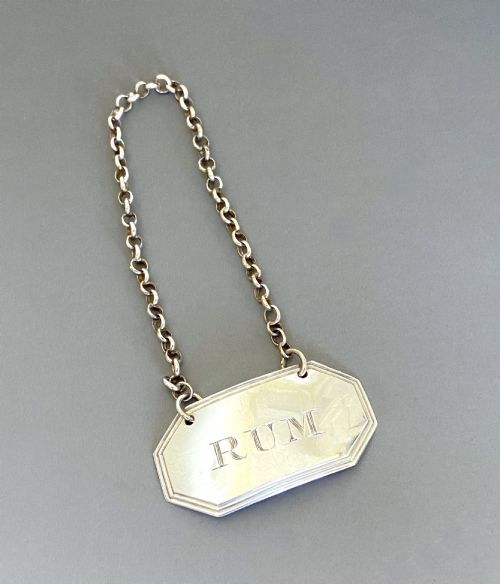
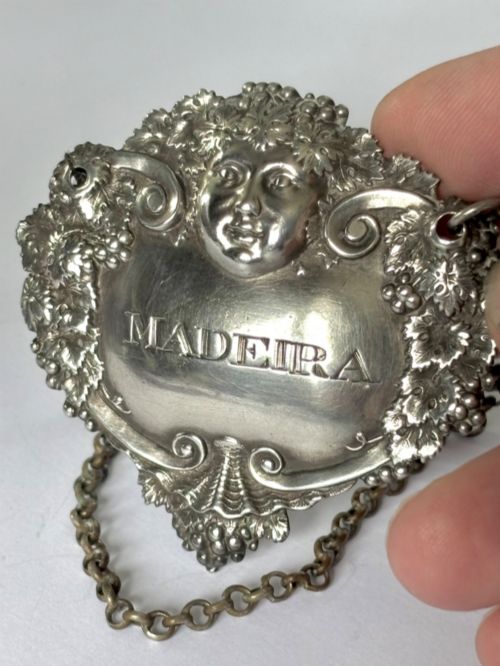
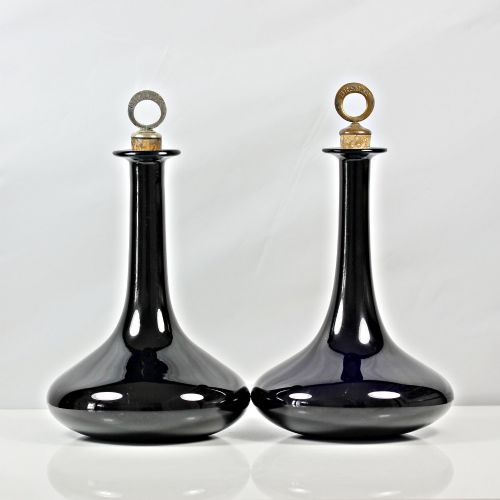
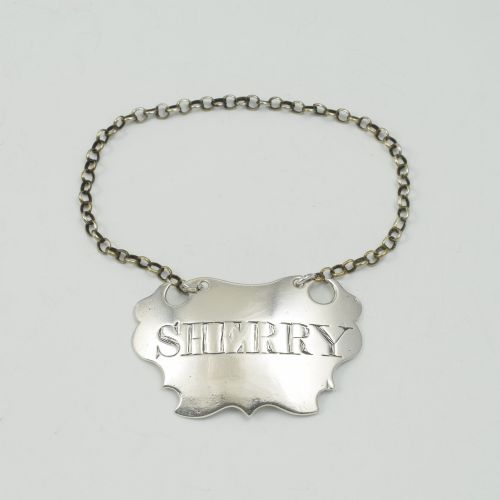
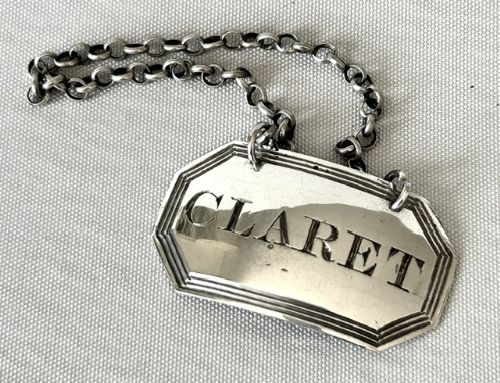
Buyers encounter variations that include large shoulder decanters, half-sized vessels and pairs featuring three neck rings. Alongside the glass vessels, the wider historic record for this search phrase includes silver decanter labels inscribed for drinks like Madeira, sherry, port, claret, brandy and rum. Coloured glass versions, such as amethyst glass, also emerge within this category alongside clear lead crystal.
Materials and construction
Makers shaped these vessels using lead glass, lead crystal and flint glass, yielding a heavy substance with high clarity. Some specialised pieces incorporated gold leaf decoration, notably works associated with James Giles. Coloured variations utilised tinted metal, creating distinct hues such as amethyst glass.
Surface ornamentation relied heavily on cut glass techniques to carve facets and patterns into the body of the vessel. Engraving provided further detail, adding scripted liquor labels or decorative motifs directly onto the glass surface. Many pieces feature applied neck rings formed while the glass was hot.
Retail Price Guide 2026
Typical UK retail prices for georgian wine decanter, calculated from the Sellingantiques database of over a million retail prices indexed since 2003. This retail price guide relies exclusively on Sellingantiques data; no external sources or auction records are used, so the figures do not describe the wider market.
Listings feature lead glass, lead crystal, flint glass and amethyst glass formed into shoulder, mell and Prussian style decanters.
Distinctions in quality
Quality rests on the weight and purity of the lead crystal, alongside the crispness and depth of the glass cutting. Superior vessels demonstrate precise facet cutting and balanced proportions, whether in a heavy shoulder decanter or a slender carafe. Finer examples also feature expert wheel engraving, such as detailed liquor labels or specialised gilding.
The presence of matching pairs elevates a set, particularly when the form and neck rings align precisely. Attribution to known decorators or specific stylistic periods, such as the work attributed to James Giles, distinguishes standard production items from exceptional collectors' pieces.
James Giles·Phipps and Robinson·Hester Bateman·William Sharp·George McHattie·Susannah Barker
The Georgian Wine Decanter Glossary
- Lead glass
- A type of glass containing lead oxide that increases weight, brilliance and refractive index. This material forms the heavy body characteristic of period decanters.
- Prussian style decanter
- A cylindrical bottle design featuring multiple horizontal raised rings around the neck. These rings provided a secure grip for pouring greasy hands at the dining table.
- Shoulder decanter
- A vessel shape featuring a broad, flat shoulder that tapers sharply toward the base. This form provided stability on eighteenth-century dining tables.
- Mell decanter
- A mallet-shaped bottle form common in the late eighteenth and early nineteenth centuries. It offers a stable, wide bottom and a short neck.
- Decanter label
- A small metal tag hung from the neck of a decanter by a chain to identify the contents. They appear in silver with engraved titles for drinks like port and Madeira.
Frequently Asked Questions
What wines did they hold?
These vessels held fortified and table wines served during formal meals, including port, sherry, Madeira, claret and hock. Specific decanters often matched engraved silver labels designating these exact drinks.
Using separate bottles allowed hosts to present different vintages and styles clearly at the table. The heavy glass helped protect the liquid and contained sediments during dinner.
Are coloured glass decanters authentic?
Coloured glass vessels, including amethyst glass examples, were produced during the Georgian period alongside clear lead crystal. Makers experimented with metal oxides to achieve rich tints for decorative effect.
These pieces required skilled manipulation in the hot house to maintain even colour density throughout the heavy walls. They served the same functional dining role as their clear counterparts.
How should I clean them?
Cleaning historic glass requires gentle hand washing with warm water and mild soap, avoiding harsh scrubbing tools. Due to narrow necks and heavy bases, soft bottle brushes or specialised cleaning beads help reach interior residue safely.
Sudden temperature changes must be avoided to prevent thermal shock to the old lead glass. Drying upside down on a rack ensures moisture escapes without leaving water spots.