
Antique Purple Glass
Antique purple glass brings depth and rich colour to domestic interiors through vessels, lighting and personal ornaments.
Antique Purple Glass
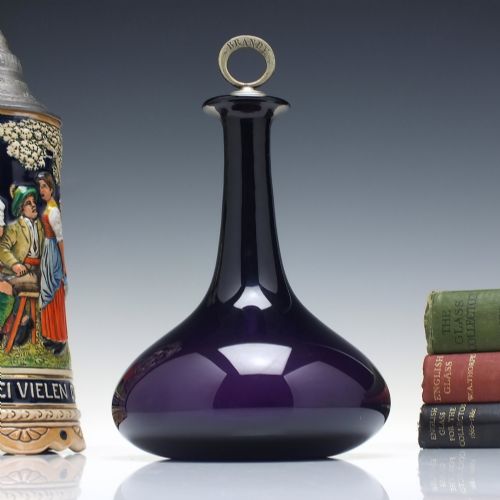
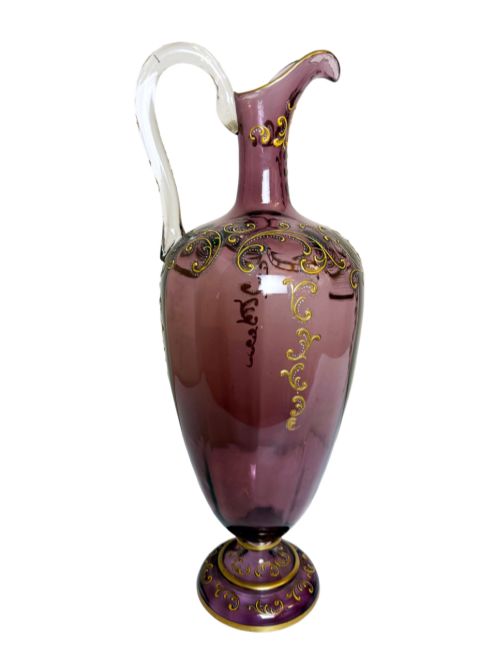
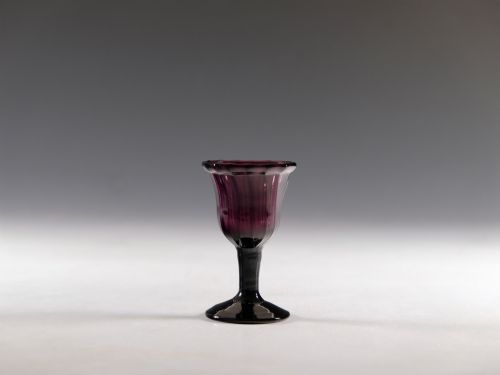
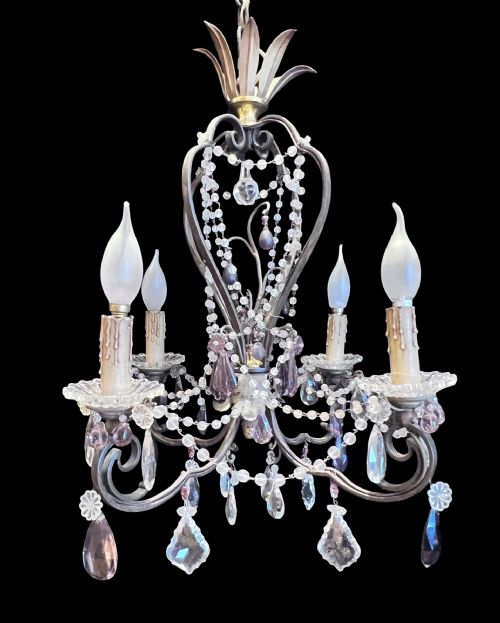
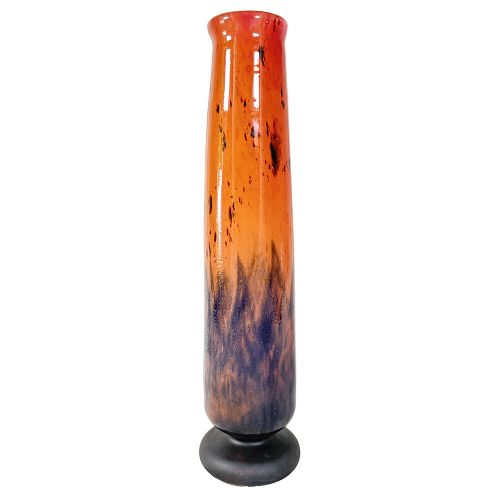
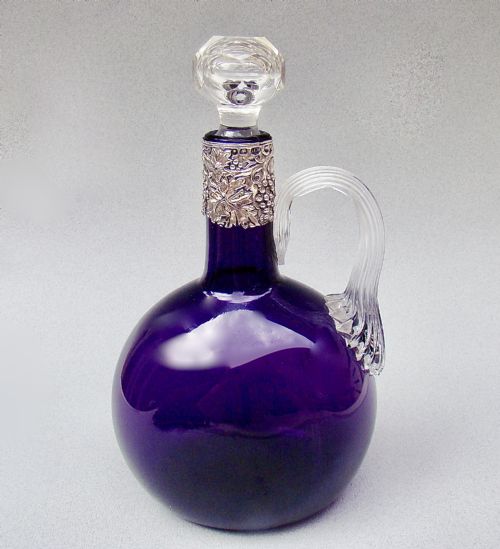
When searching for antique purple glass, buyers encounter a diverse range of objects spanning the Georgian, Victorian, Edwardian and Art Deco periods. These pieces include deeply toned decanters, scent bottles, wine glasses and large vases created by prominent glass houses.
Materials and construction techniques
Makers achieved the distinct purple and amethyst tones by adding metallic oxides to the molten glass batch during production. Many pieces utilise overlay techniques, where a layer of purple glass is cased over clear or frosted glass before being cut away to reveal the contrasting base layer.
Listings include items spanning the Georgian period up through the Art Deco era, incorporating materials such as sterling silver, velvet, enamel and cameo glass.
Distinctions in quality
Quality in these items rests on the depth of the glass colour, the precision of the cut or etched decoration, and the integrity of any precious metal mounts. Pieces featuring crisply executed cameo layers or finely detailed silver overlay demonstrate superior craftsmanship compared to plain moulded examples.
The presence of hallmarks on silver collars or signatures from established glassworks elevates an object's standing. Condition also plays a role, with well-preserved gilding and intact stoppers distinguishing the finest surviving examples from heavily worn pieces.
Henry Matthews·Daum·Galle·Argy Rousseau·Schneider·Loetz·John Millikin
The Antique Purple Glass Glossary
- Amethyst glass
- A deep purple shade of transparent glass produced by the inclusion of manganese or other minerals. It appears in glassware and decorative objects from the Georgian era through to the twentieth century.
- Overlay glass
- A technique involving two or more distinct layers of glass fused together, usually a coloured outer layer over a clear or contrasting interior. Sections of the outer layer are cut or etched away to form patterns.
- Cameo glass
- Art glass produced by carving or acid-etching through a surface layer of glass to reveal a contrasting colour underneath. This method was notably utilised by French makers during the Art Nouveau and Art Deco periods.
- Paste
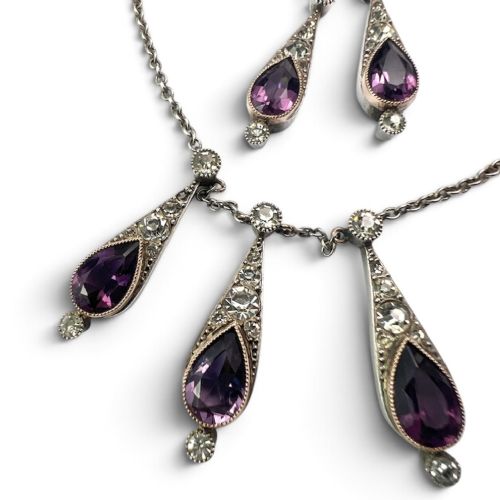
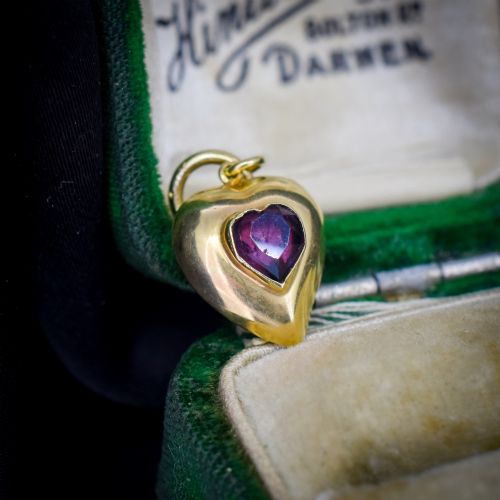
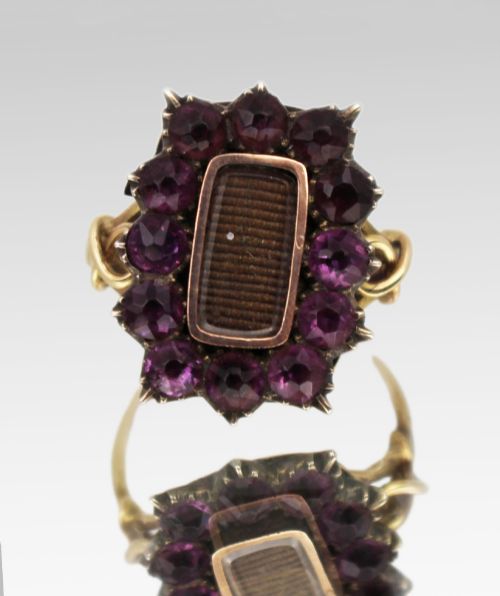
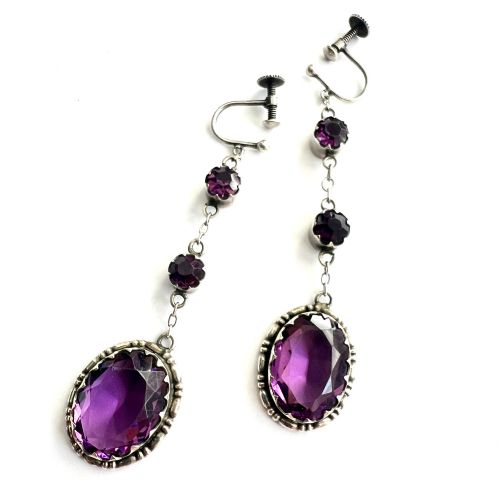
- Hand-cut and polished lead glass used to imitate gemstones in antique jewellery. It is frequently set in silver or gold mounts alongside authentic purple stones.
- Vinaigrette
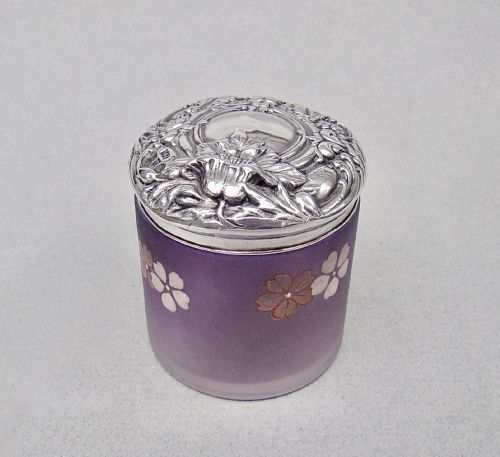
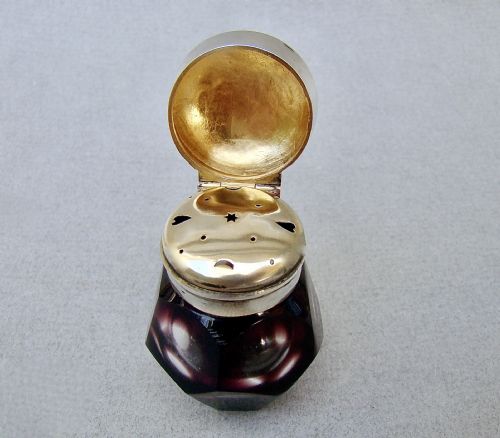
- A small ornamental box featuring a perforated inner grille, designed to hold a sponge soaked in aromatic vinegar. Victorian examples often incorporated purple glass bodies with sterling silver lids.
Antique Purple Glass: Frequently Asked Questions
How do I identify Victorian purple glass?
Victorian pieces often feature heavy silver mounts, cut overlay designs or hand-painted gilt decoration on deep amethyst bodies. Examining the form and any associated hallmarks helps confirm the period.
Many nineteenth-century items include functional domestic objects such as scent bottles, decanters and wine roemers that reflect the era's preference for rich, saturated colours.
What is amethyst paste jewellery?
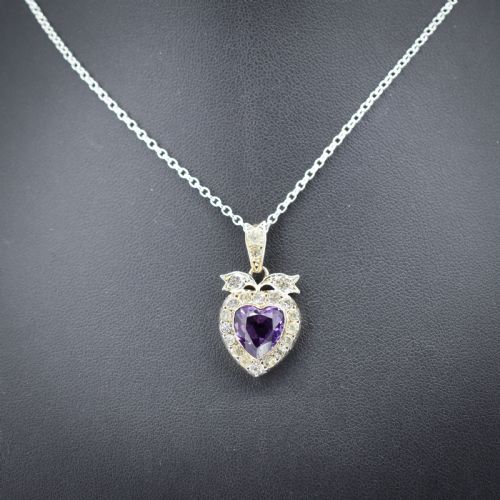
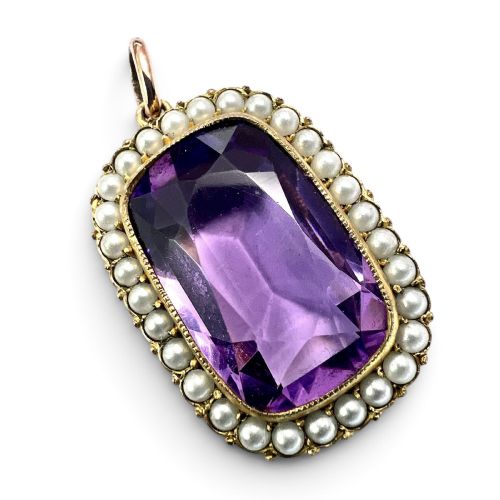
Amethyst paste consists of specially formulated lead glass cut to imitate genuine amethyst gemstones. It was widely used in Georgian, Victorian and Art Deco rings, pendants and earrings.
These stones are typically set in silver, gold or rolled gold, offering intense purple colour and intricate faceting without using natural stones.
How were antique scent bottles used?
Antique scent bottles served as personal accessories for carrying perfumes or smelling salts during the nineteenth and early twentieth centuries. Wealthy individuals kept them on dressing tables or carried them in fitted travel sets.
The purple glass bodies were frequently encased in silver overlay or fitted with hinged sterling silver lids and glass stoppers.
What is cameo glass?
Cameo glass is formed by fusing multiple layers of different coloured glass together before carving or acid-etching the outer layer away. This technique creates a raised design against a contrasting background.
Master glassmakers in the late nineteenth and early twentieth centuries utilised this method to produce detailed floral, landscape and abstract vases.