

19th Century Decanters
These 19th century decanters bring period elegance to the table, offering practical service alongside decorative charm.
What 19th century decanters are
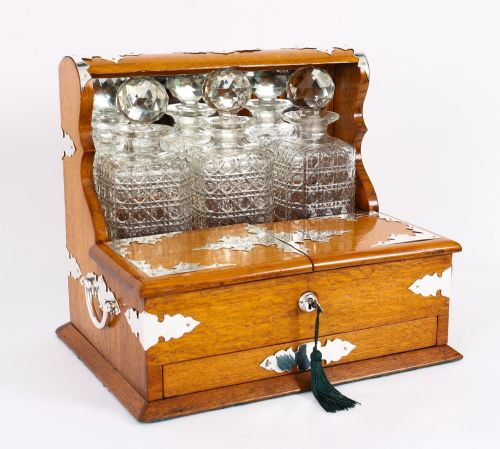
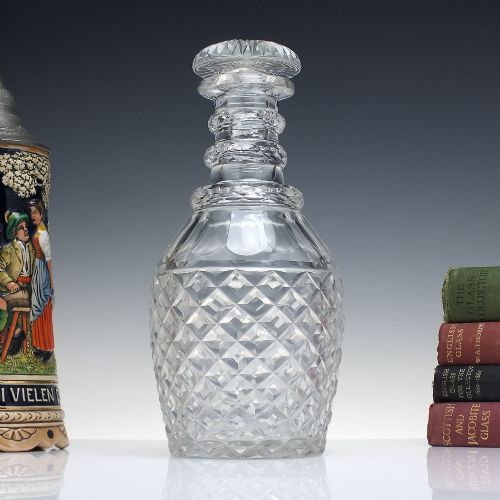
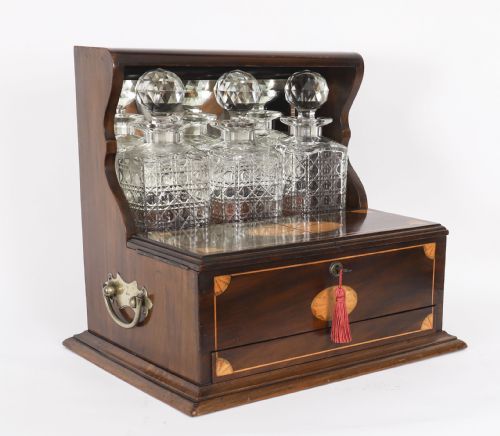
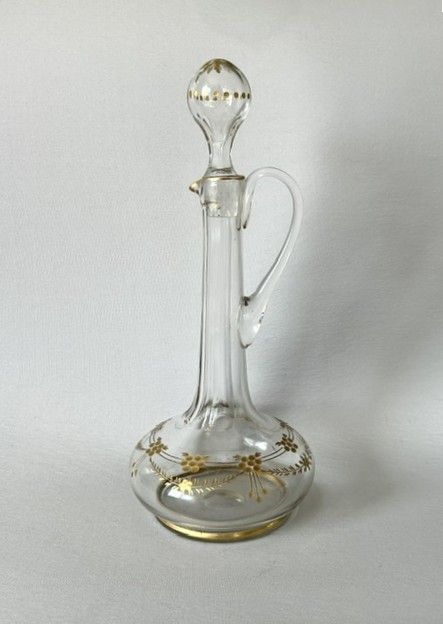
When you search for 19th century decanters, you encounter serving vessels designed to hold wine and spirits during the Georgian, Regency, William IV and Victorian eras. These items appear frequently in pairs or matched sets, often accompanied by stoppers and occasionally housed in silver plated stands or tantalus frames.
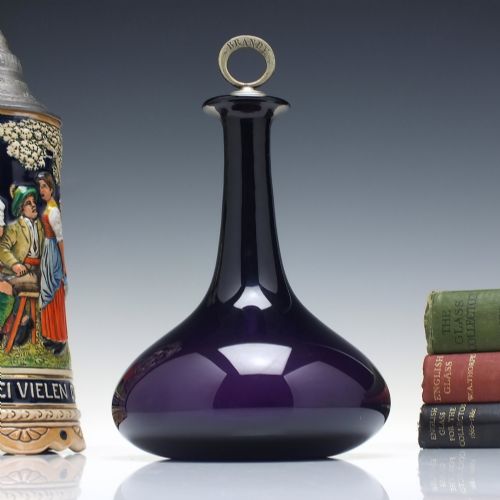
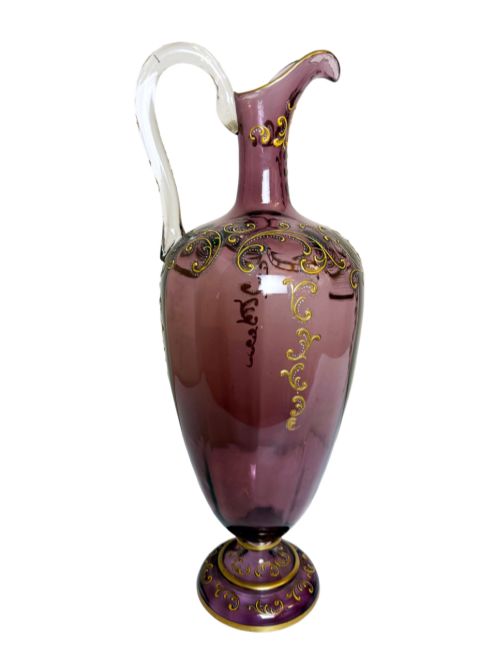
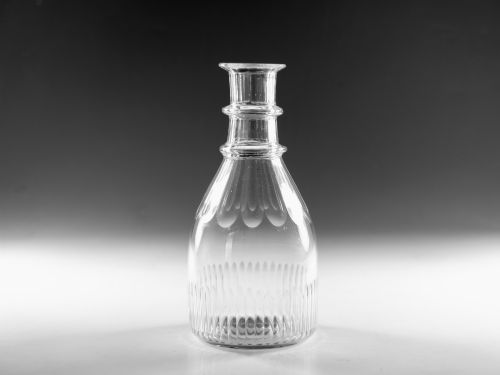
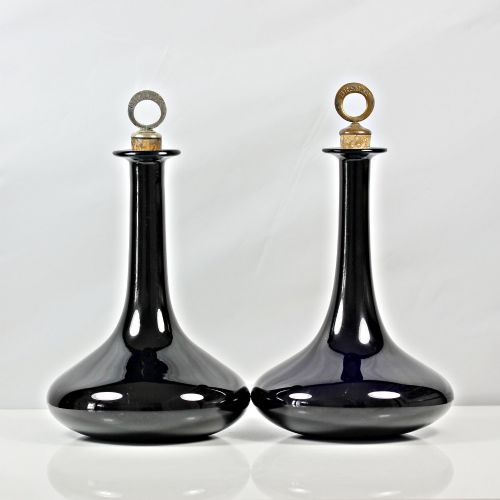
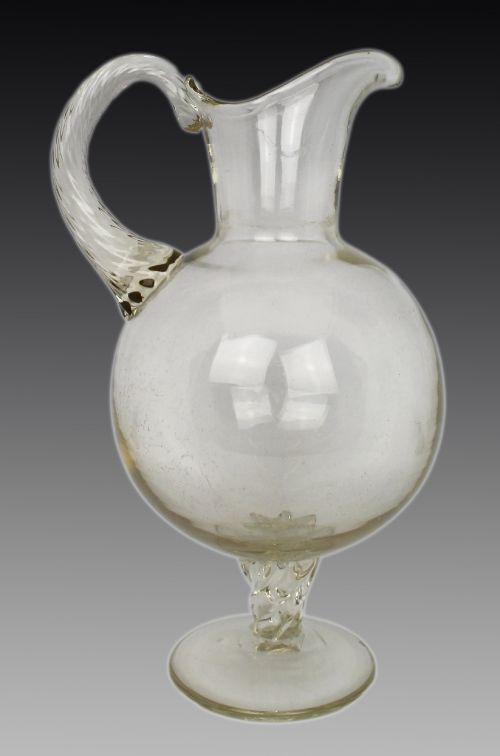
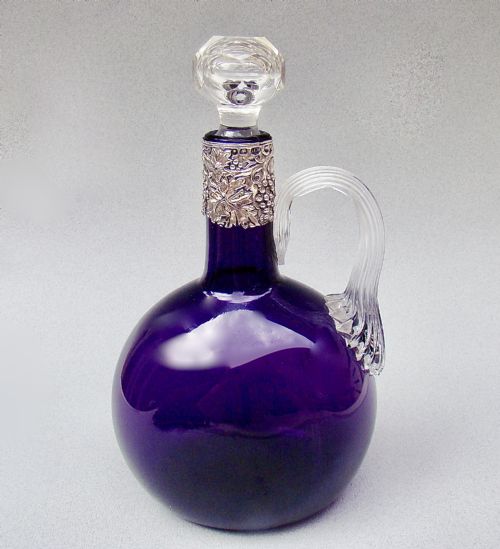
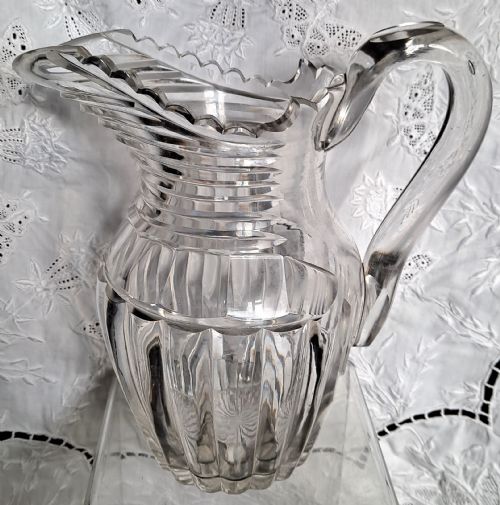
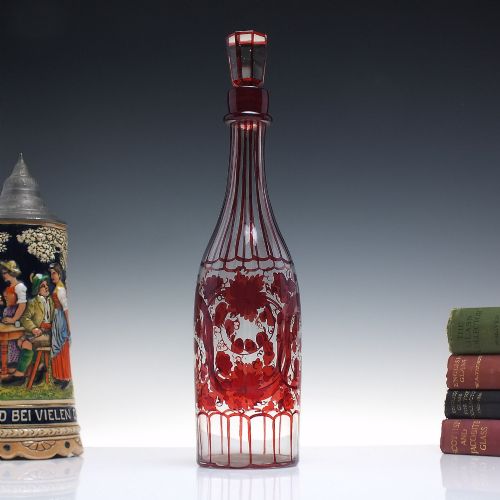
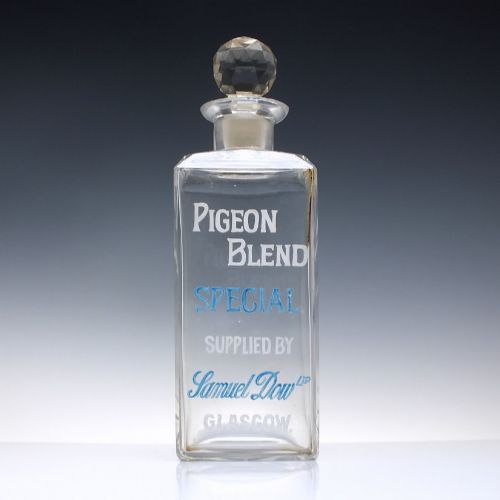
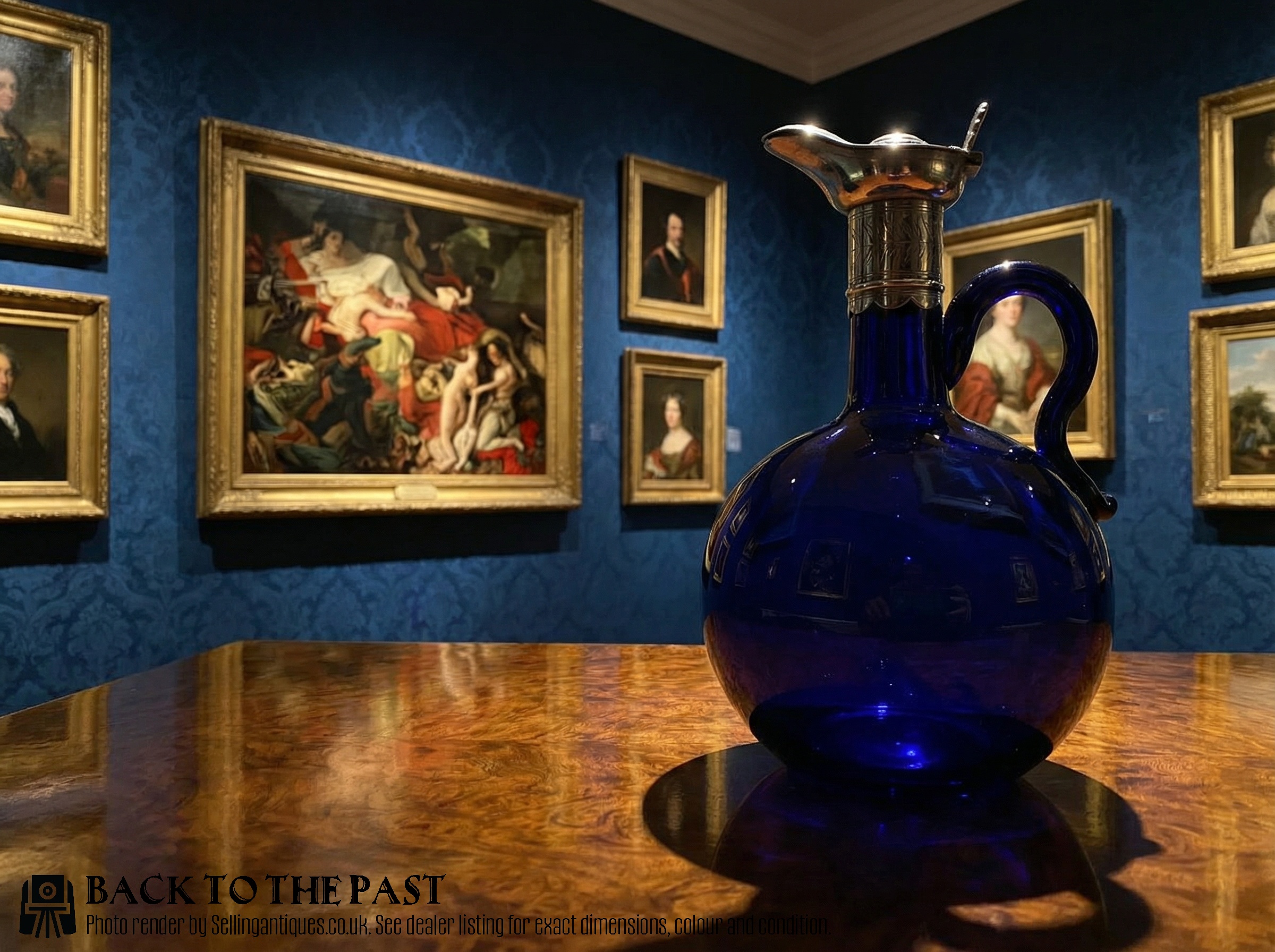
The most common version met on this page is the glass decanter, spanning clear crystal to coloured varieties such as Bristol blue, green and amber. Alongside standard glass bottles, the evidence includes specialised forms like spirit flagons, mallet decanters and pillar cut vessels from English and Dutch workshops.
How they were made
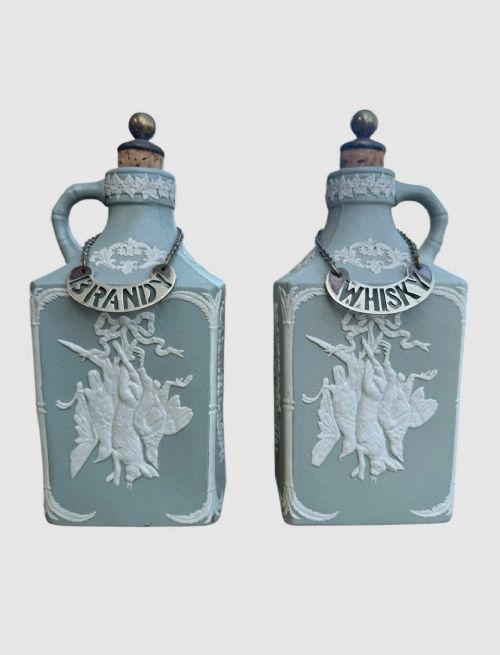
Makers utilised glass, lead crystal, stoneware and jasperware to shape these vessels, frequently employing hand-blowing techniques to form the basic body. Metal components, including silver plate and cork, were incorporated for mounts, labels and stoppers.
Decoration relied on hand-cutting, etching, engraving and gilding directly onto the glass surface. Some examples integrated fitted silver plated stands, frames or coaster sets to support the bottles during service.
Retail Price Guide 2026
Typical UK retail prices for 19th century decanters, calculated from the Sellingantiques database of over a million retail prices indexed since 2003. This retail price guide relies exclusively on Sellingantiques data; no external sources or auction records are used, so the figures do not describe the wider market.
Several decanters arrive paired with shell-inlaid wooden boxes or fitted silver plated stands for proper transport.
What varies in quality
The distinction between tiers rests upon the execution of the material and the complexity of the decorative scheme. Heavy lead crystal with deep pillar cutting represents a higher standard of workmanship compared to simpler blown glass forms.
Additional value arises from supplementary mounts and housing, such as engraved silver plate frames, matching stoppers and specialised storage boxes like shell-inlaid Dutch decanter boxes.

The 19th Century Decanters Glossary
- Decanter
- A vessel used for holding and serving wine or spirits. These objects usually include a fitted stopper to preserve the contents.
- Bristol Blue Glass
- A deep blue coloured glass produced in Bristol during the period. It remains a distinctive material choice for serving bottles.
- Lead Crystal
- A type of glass containing lead oxide, which increases clarity and weight. It allows for sharp, crisp cutting by the artisan.
- Silver Plate
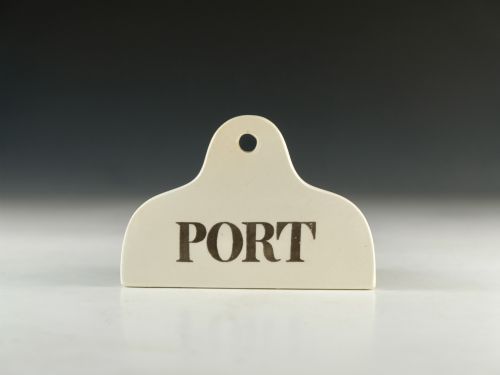
- A thin layer of silver applied to a base metal. This material appears on mounts, stands and bottle labels.
- Mell Decanter
- A specific bottle shape with a rounded body tapering towards the base, often called a mallet decanter. This form provided stability on dining tables.
Frequently Asked Questions
How do I clean an old decanter?
Fill the vessel with warm water and specialised cleaning beads, then swirl gently to dislodge residue without scratching the interior.
Allow the piece to air dry completely upside down on a mat before replacing the original stopper.
Can I use these decanters for daily serving?
These vessels function well for serving wine and spirits at the dining table, provided you handle them with care.
Hand wash the glass gently and avoid subjecting the material to sudden temperature changes.
How do I date a 19th century decanter?
Examine the weight, the depth of the cut crystal, and the manufacturing characteristics of the base and neck. Style indicators like Regency or Victorian silhouettes help narrow the production window.
Associated hardware such as silver plated stands or labels can also offer clues to the decade of origin.
What is a spirit flagon?
A spirit flagon is a specific style of serving vessel designed to hold liquors rather than table wine. These often feature distinctive shapes and matching stoppers.
They appear in various materials including jasperware and coloured glass within the period selections.