




Hand Blown Glass Bowl
A hand blown glass bowl brings centuries of molten craftsmanship to a table, offering organic contours and optical depth that modern pressing cannot replicate.
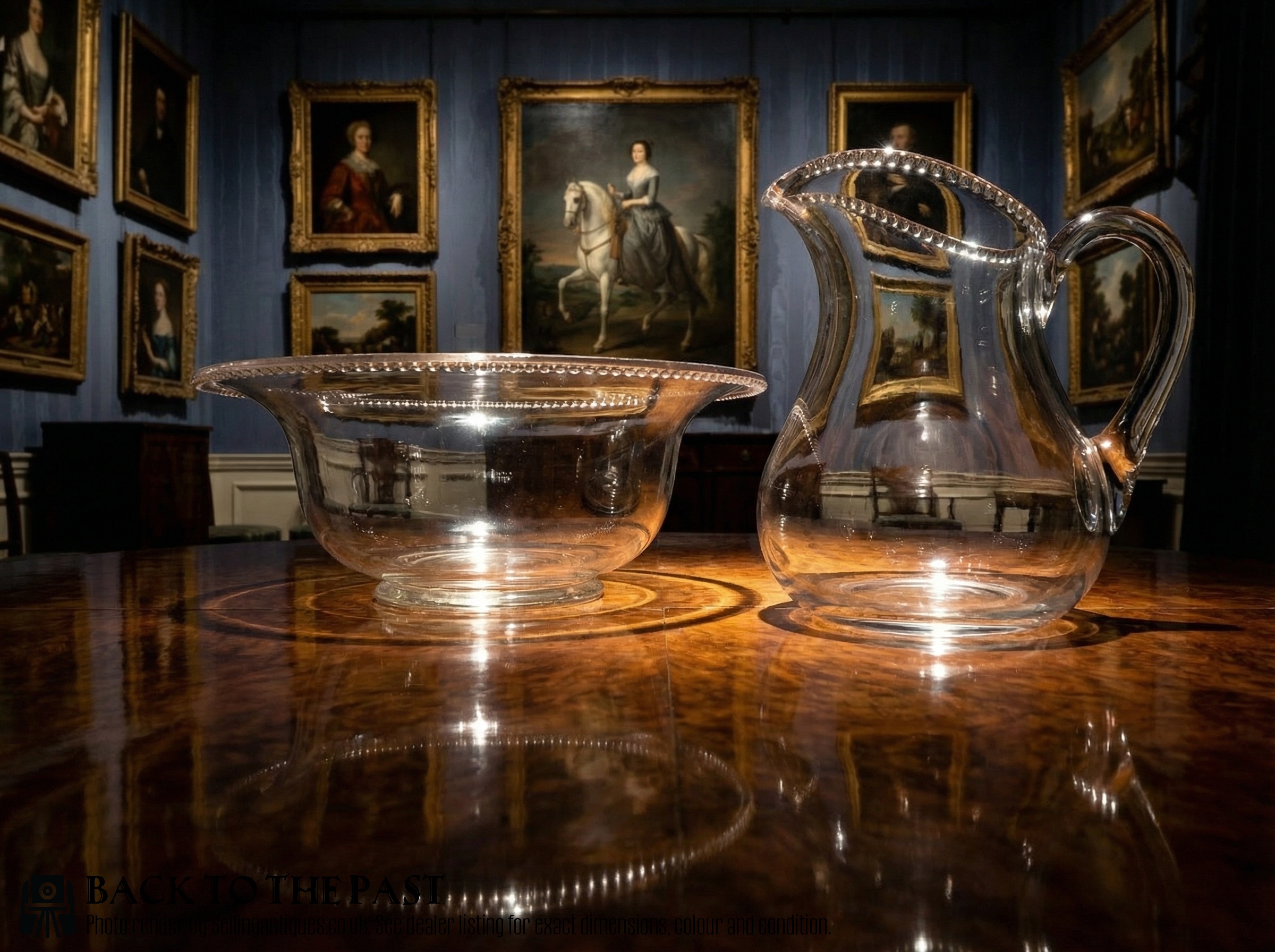
Hand Blown Glass Bowl
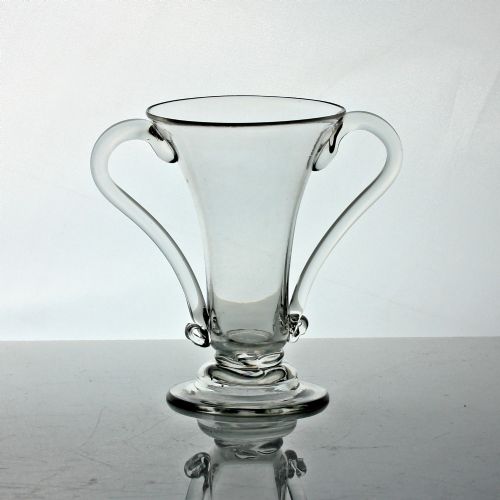
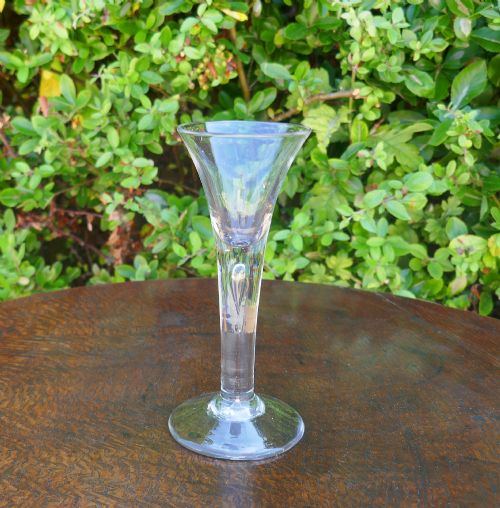
A hand blown glass bowl encompasses everything from Georgian sugar basins and rummers to vibrant Victorian cranberry tablewares and twentieth-century Scottish studio pieces. When searching for a hand blown glass bowl, collectors encounter diverse forms spanning the eighteenth century through to the art deco era, including pedestal comports, bon bon dishes, and deep table vessels. These items reflect the shifting domestic habits of past centuries, moving from functional dining table additions to decorative display centrepieces.
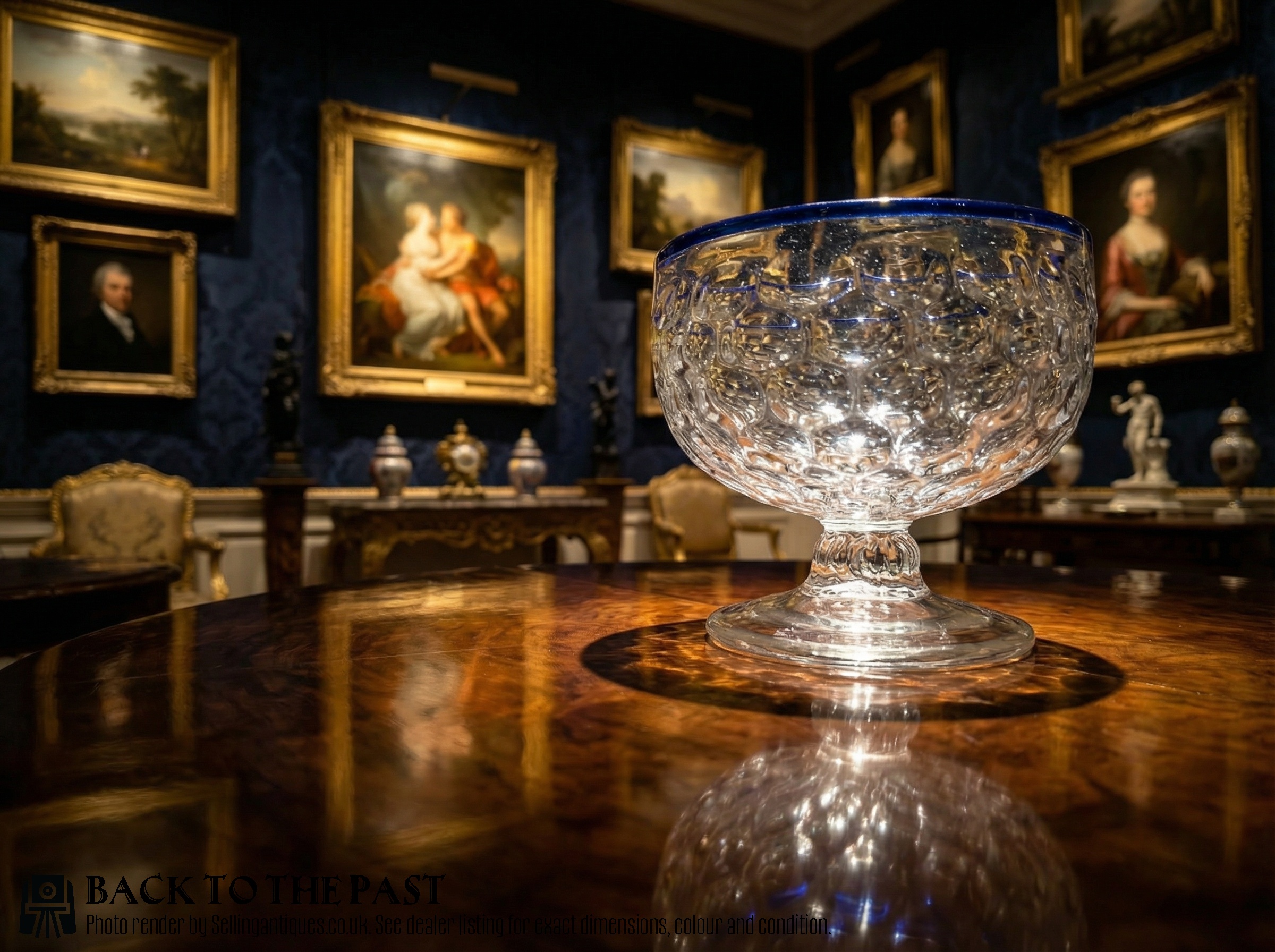
The domestic tablewares in this selection range from deep cobalt and cranberry hues to clear lead metal, often shaped with wrythen ribbing or applied handles. Pieces from the Georgian period sit alongside Victorian cranberry sets and Monart productions, demonstrating the breadth of traditional glassblowing techniques available. Each vessel bears the individual marks of its maker, whether through pontil scars on the underside or subtle variations in wall thickness.
Materials and technique
Craftsmen shaped these vessels while the metal was molten, gathering material on a blowpipe and manipulating it with simple hand tools. Lead glass and clear crystal allowed for deep wheel cutting, whilst metallic oxides created intense cranberry and cobalt coloration within the batch.
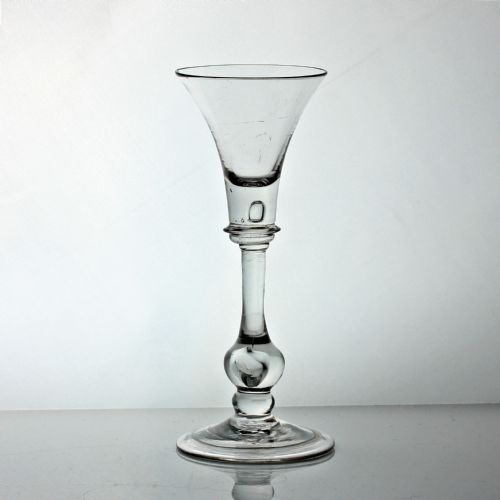
Specialist techniques such as air-tearing introduced tiny bubbles purposefully into stems, and wrythen moulding twisted the surface while the glass remained ductile. Free-blowing and mold-blowing traditions combined to produce both uniform table services and singular decorative art pieces.
Hand Blown Glass Bowl Retail Price Guide 2026
Typical asking prices for hand blown glass bowl among the pieces listed under this phrase on Sellingantiques today, from the lower quarter to the upper quarter. They describe what is for sale here now, not the wider market.
The listings encompass clear lead glass, cranberry glass, cobalt glass, and enamel, spanning the eighteenth century through to the 1930s.
Judging quality
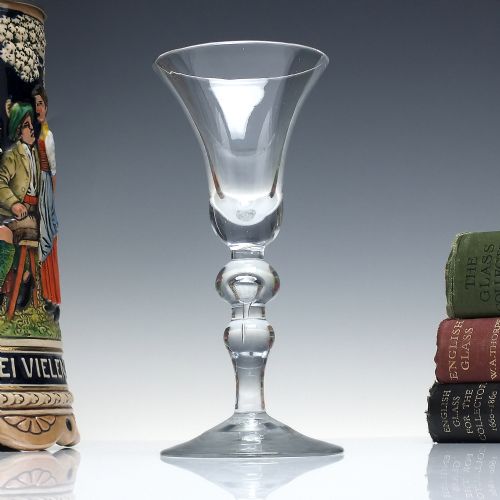
Quality rests upon the purity of the metal and the confidence of the form, where a well-balanced silhouette and clean rim demonstrate superior furnace control. The distribution of weight within a pedestal bowl or wine glass stem reveals the skill of the blower.
Subtleties in colour saturation and the clean integration of applied handles or prunts distinguish workshop achievements from standard domestic output. The presence of deliberate decorative effects, such as controlled air twists or rich enamel highlights, elevates certain pieces above utilitarian ware.
Monart
The Hand Blown Glass Bowl Glossary
- Pontil mark
- The rough scar left on the underside of a vessel where the punty rod was snapped away after blowing. Skilled finishers often ground or polished this area smooth.
- Wrythen
- A decorative spiral pattern moulded into the body of the glass while hot. This technique creates a dynamic optical twist as the vessel turns in the light.
- Air tear
- An intentional elongated bubble trapped inside the stem of a drinking glass during manufacture. Glassmakers prized these tiny pockets as decorative elements in high-grade metal.
- Cranberry glass
- A rich red-pink transparent glass coloured with gold chloride. Victorian makers utilised this formulation extensively for decorative tableware and epergnes.
- Comport
- A raised pedestal bowl designed for serving fruit or sweetmeats at the table. These display pieces often feature heavy cut crystal or vibrant coloured glass.
Hand Blown Glass Bowl: Frequently Asked Questions
How do I date an old glass bowl?
Dating relies on examining the pontil mark, the composition of the metal, and stylistic indicators such as foot rim foldover or stem formation. Earlier pieces often display rough snapped pontils and heavier lead content.
Changes in colour preferences, such as the rise of cranberry glass in the nineteenth century or the studio aesthetics of later art glass, help narrow the period of production.
What is cranberry glass?
Cranberry glass is a transparent red-pink material created by adding gold to the glass batch during melting. It became highly popular during the Victorian era for decorative tablewares and matching jugs.
Artisans often paired this vibrant hue with clear glass feet, prunts, or applied handles to create striking contrasts on the dining table.
How should I care for antique glass?
Hand washing in lukewarm water with mild detergent is essential to protect fragile surfaces and applied decoration from thermal shock and abrasive dishwasher cycles. Soft cloths prevent scratching.
Keeping pieces away from direct sunlight and sudden temperature shifts preserves the integrity of the historical metal and any delicate enamel work.