


Antique Coloured Glass
These pieces of antique coloured glass range from Georgian wine vessels to multi-light chandeliers, offering vibrant hues and hand-crafted character.
Antique Coloured Glass
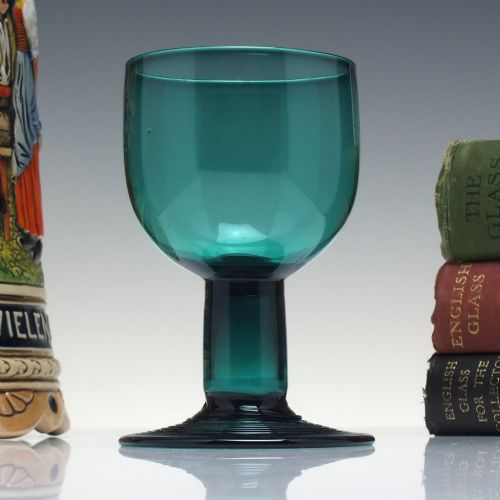
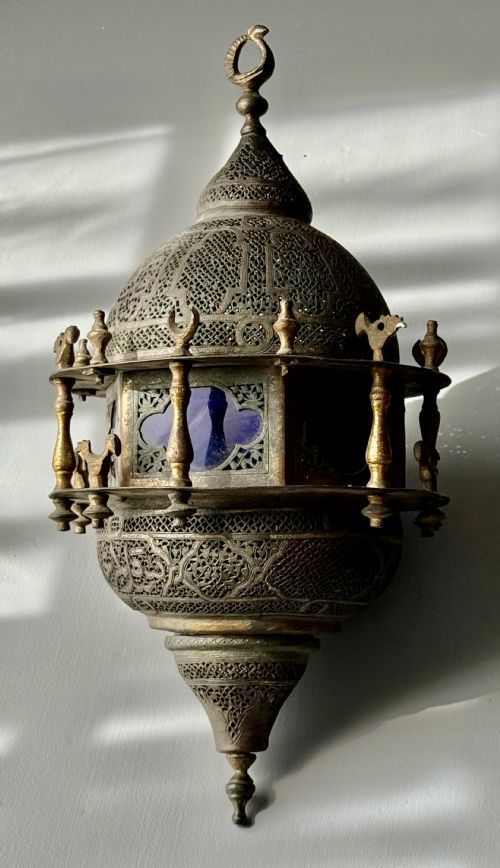
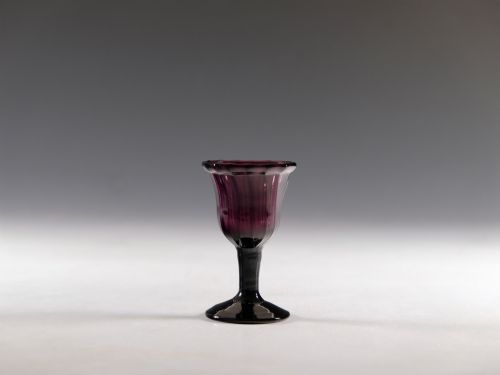
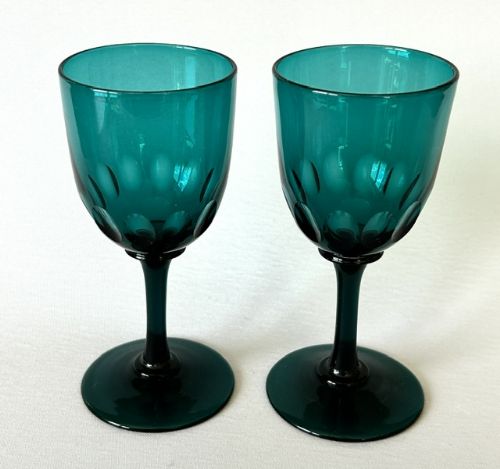
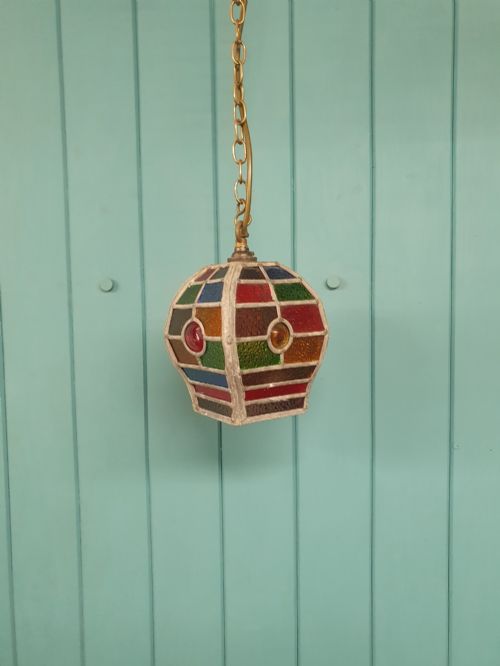
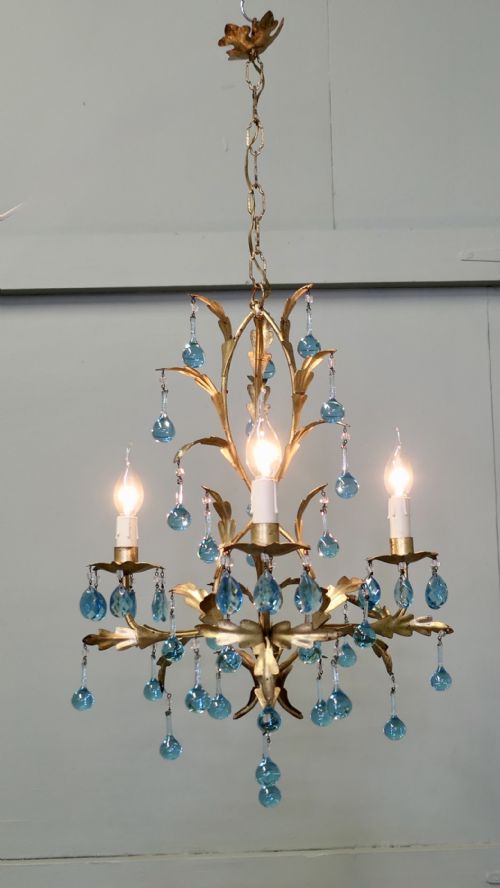
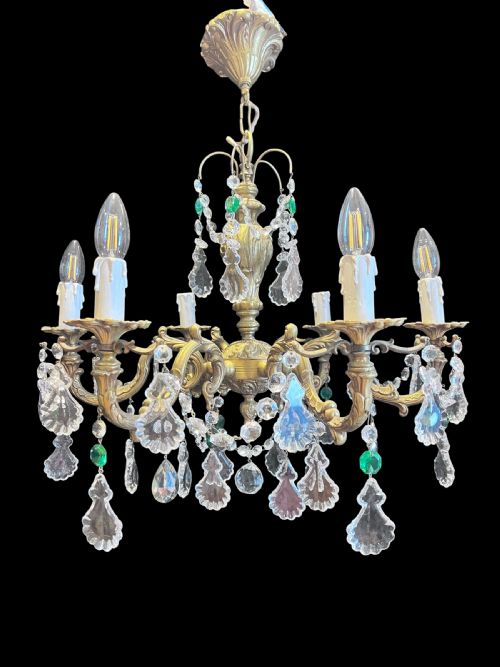
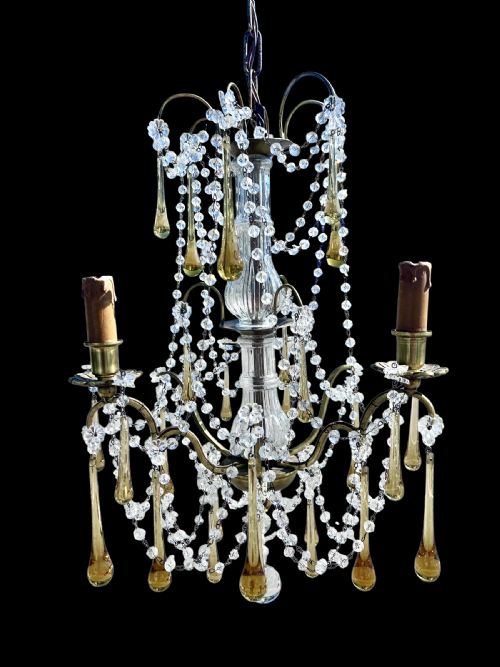
When you search for antique coloured glass, you encounter a diverse array of items spanning drinkware, lighting, and decorative panels. The selection on this page relies heavily on drinking vessels such as wine glasses, dram glasses, and rummers, alongside statement lighting including chandeliers and lanterns.
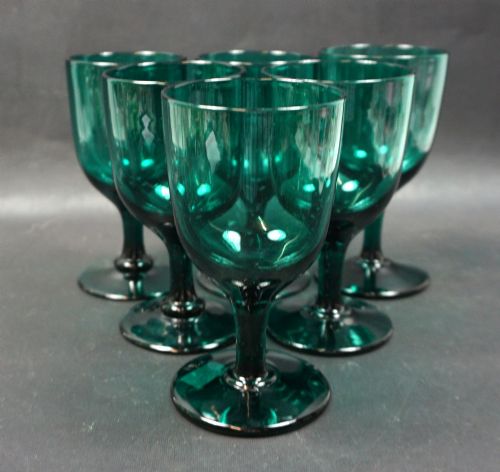
The periods represented stretch from the 18th century through the Georgian and Victorian eras into the early 20th century, encompassing Edwardian and Art Deco designs. You will frequently find matching sets of wine glasses in shades like cranberry or turquoise alongside grand Italian and French chandeliers hung with coloured crystals.
How they were made
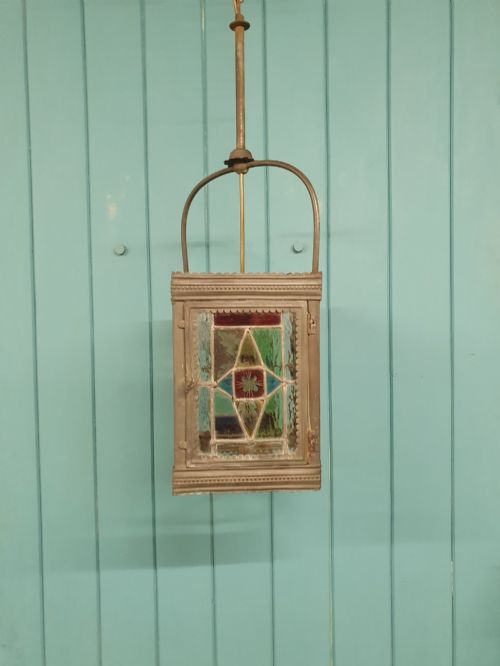
Makers utilised lead, crystal, brass, and bronze to shape these objects, often combining blown glass with metalwork frames or fittings. Many drinkware items show hand-blown stemware techniques, while architectural elements like stained glass panels and lanterns incorporate leaded sections.
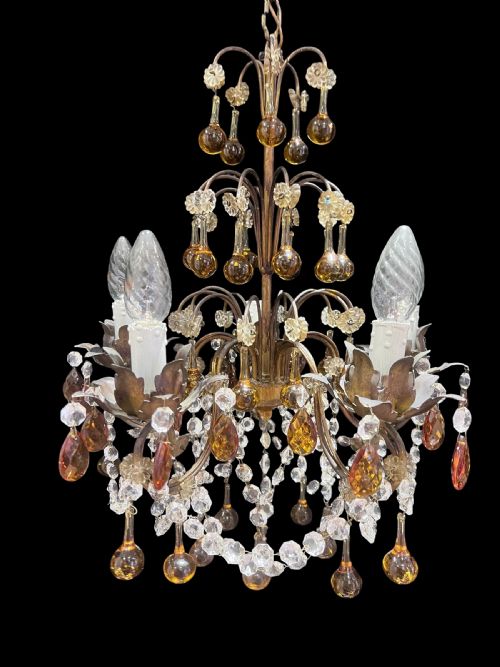
The coloration was achieved by introducing metallic oxides into the molten batch or by casing layers of different glass hues together. Chandeliers integrate precision-cut crystal drops and fruits in amber, mauve, and blue, wired to cast light through tinted mediums.
Listings feature items from the Georgian, Victorian, and Edwardian eras, spanning drinkware, chandeliers, and stained glass panels.
What varies in quality
Quality rests upon the depth and uniformity of the hue, the clarity of the crystal or glass matrix, and the integrity of any associated metal mounts. Superior pieces display rich, even saturation without muddy inclusions, alongside crisp rib moulding or hand-engraved detailing.
For lighting and stemware, the refinement of the silhouette and the complexity of the assembly distinguish finer examples. Matched sets of drinking vessels hold greater distinction when they retain their original uniform shape and colour intensity across every piece.
Charles Horner·Salviati·Robert Sayer·Fletcher
The Antique Coloured Glass Glossary
- Cranberry glass
- A rich red-pink transparent glass produced by adding gold chloride to the molten batch. It gained immense popularity during the Victorian era for tableware and decorative items.
- Roemer
- A traditional Germanic drinking vessel featuring a wide bowl atop a cylindrical stem decorated with applied glass prunts. They frequently appear in deeper tones like amethyst and amber.
- Colour twist
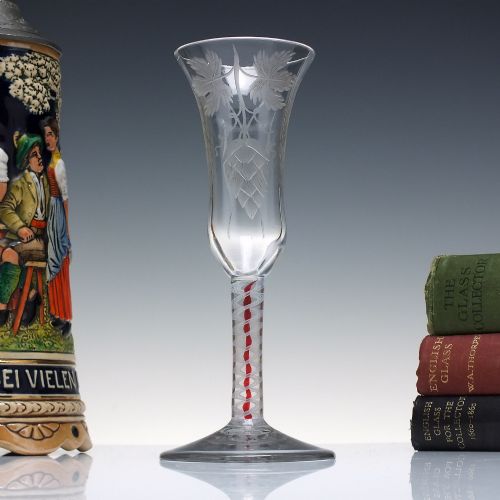
- A stem form found in Georgian drinking glasses created by drawing out coloured threads within clear glass rods. These threads often form spiral patterns inside the stem.
- Rib moulding
- A decorative technique where molten glass is inflated inside a ridged mould to create vertical ribs along the body. This pattern is subsequently expanded or twisted during blowing.
- Intaglio
- A design carved into the surface of a gemstone or glass seal so that the impression sits in relief when stamped. These appear in desk sets and seals from the Georgian period.
Antique Coloured Glass: Frequently Asked Questions
How do I date antique coloured glass?
Dating relies on examining the manufacturing technique, pontil marks, stylistic cues, and colour palettes typical of specific eras like Georgian or Victorian periods.
Changes in glass chemistry and the evolution of cutting and moulding styles help narrow down the decade of production.
What is cranberry glass?
Cranberry glass is a distinctive transparent red-pink material coloured using gold oxide, widely favoured for Victorian stemware and decanters.
Its vibrant tone made it a staple for formal dining tables throughout the nineteenth century.
How were coloured chandeliers constructed?
These fixtures typically feature a brass, iron, or gilt bronze frame from which cut crystal drops, fruits, and beads are hung.
The metalwork supports the structural weight while the tinted crystals refract light across the room.
Are coloured glass wine glasses usable today?
Many antique drinking vessels remain structurally sound and capable of occasional use, though hand washing is essential.
Collectors often balance their practical enjoyment with careful handling to preserve delicate stems and historic glass formulas.