
Glass Table Centrepiece
A glass table centrepiece brings height, colour and reflected light to a dining table.
Glass Table Centrepiece
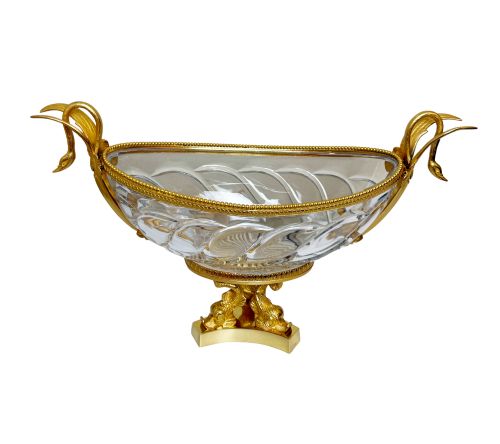
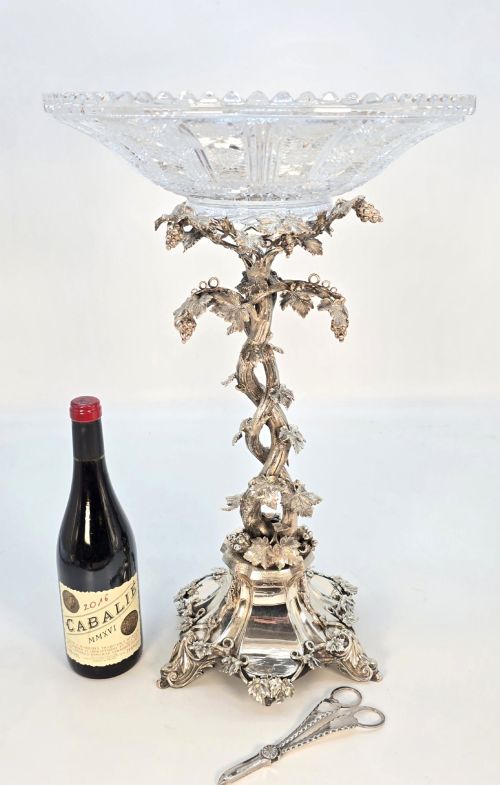
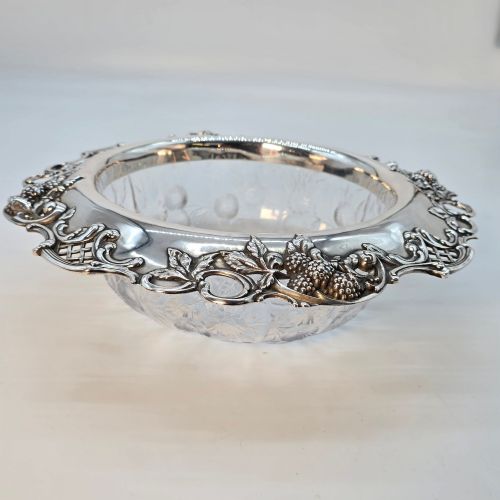
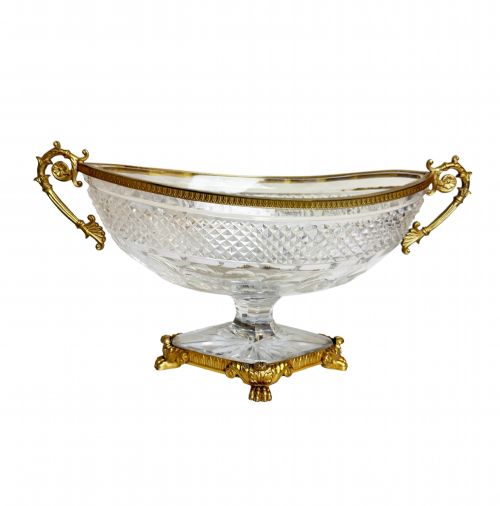
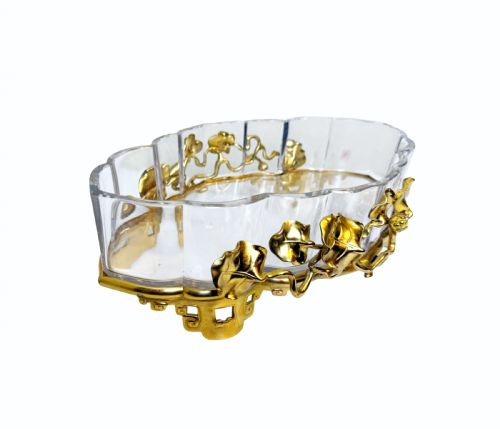
A glass table centrepiece is an ornamental vessel designed to occupy the middle of a dining table, combining a glass bowl, basket or epergne with a metal stand or frame. These pieces appear across the Victorian, Edwardian and Art Deco periods, drawing on Georgian, Empire and Art Nouveau styles.
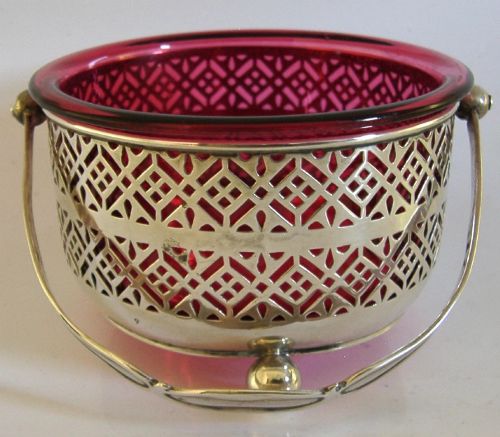
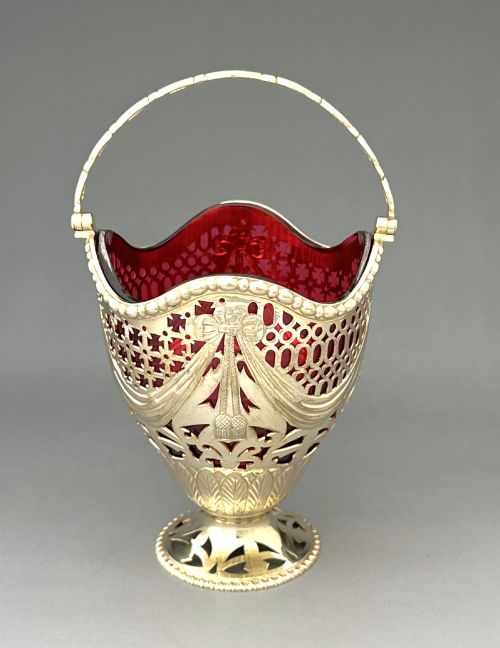
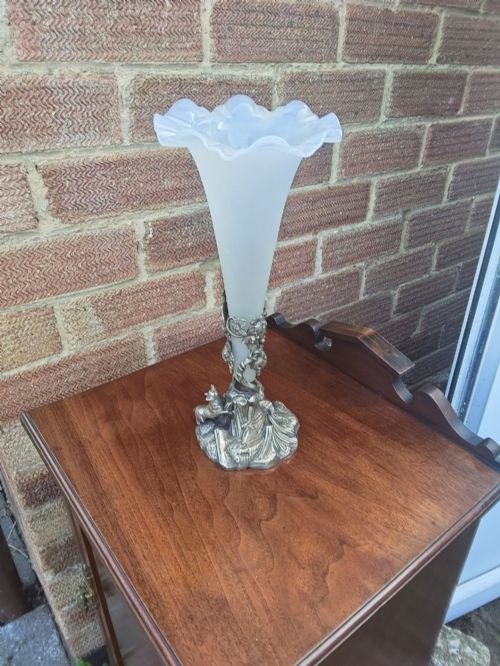
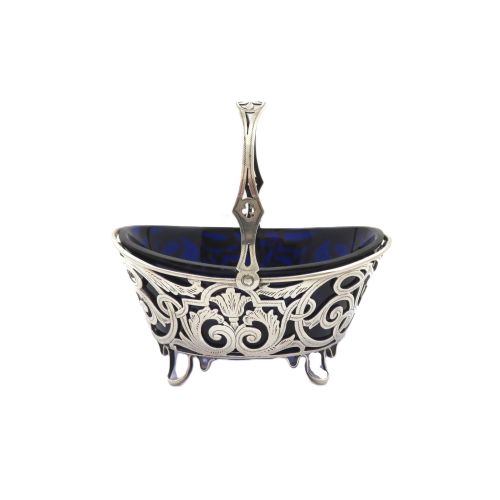
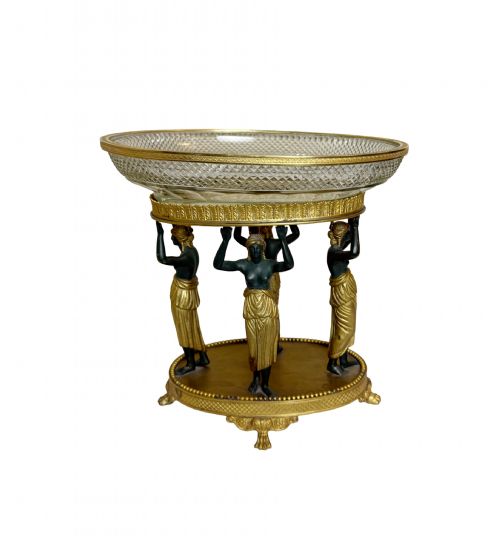
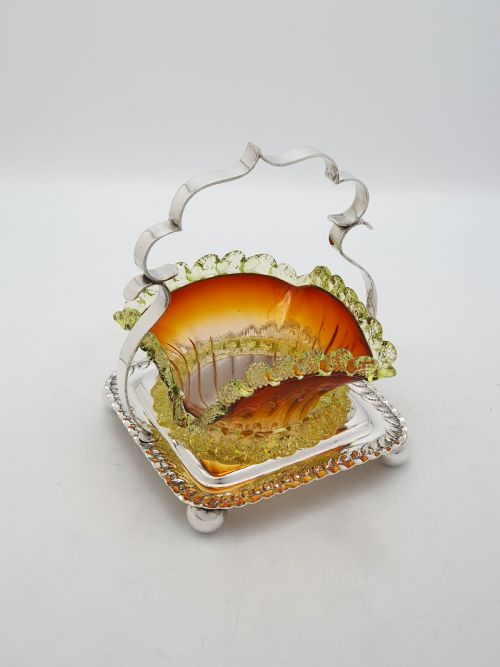
The most common version met on this page is the Victorian or Edwardian silver plated frame holding a coloured glass liner, cranberry bowl or multi-trumpet epergne. Alongside these stand grander crystal and gilt bronze pieces from the nineteenth century, as well as distinctively marked Art Deco designs from continental glassworks.
Materials and construction
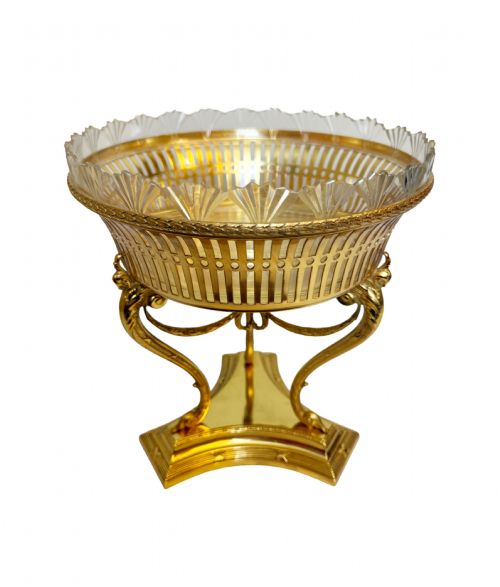
The vessels rely on lead crystal, blown glass, cut glass or coloured glass types such as cranberry, vaseline, uranium and opaque white glass. Makers combined these glass inserts with mounts of sterling silver, silver plate, gilt bronze, ormolu, brass and white metal.
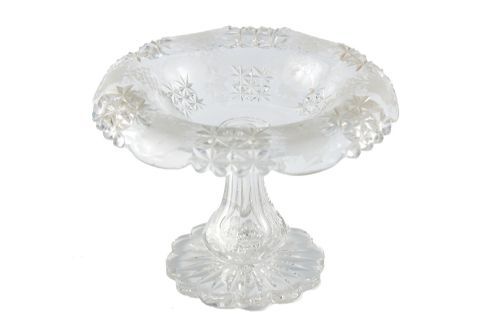
Metal frames are cast, chased, pierced or silver plated to hold the glass securely while offering decorative handles, stands or multiple trumpets. Glass components are hand blown, moulded, cut or engraved, sometimes incorporating enamel decoration or factory marks.
Listings feature 19th Century, Victorian, Edwardian and Art Deco periods, utilising silver plate, sterling silver, crystal, cranberry glass and gilt bronze.
Distinctions in quality
Quality rests on the crispness of the glass cutting, the weight and thickness of the metal mount, and the overall balance of the form. Heavy cast bronze or solid silver frames paired with deeply faceted or finely enamelled glass represent the higher end of the range.
Simpler silver plated wirework holding standard pressed glass liners forms the more everyday tier. The integration between the metal collar and the glass insert also marks the standard of manufacture, where a tight, custom fit denotes superior workshop practice.
Tiffany & Co.·WMF·Val St. Lambert·St Louis glassworks·Walker & Hall·Viners
The Glass Table Centrepiece Glossary
- Epergne
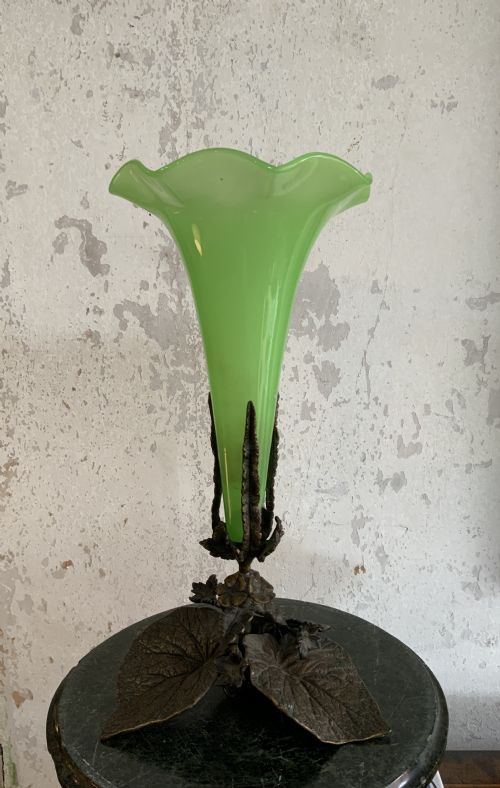
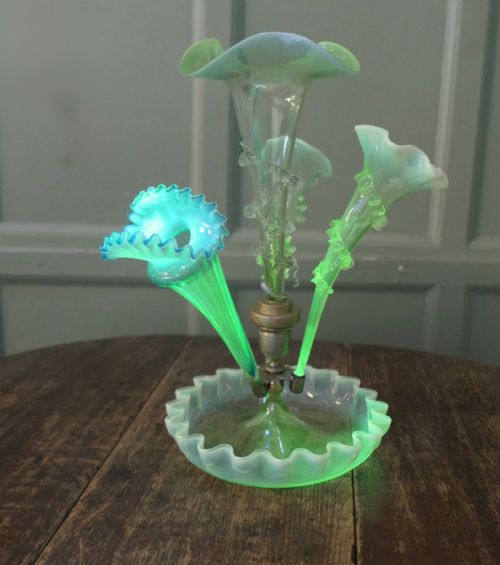
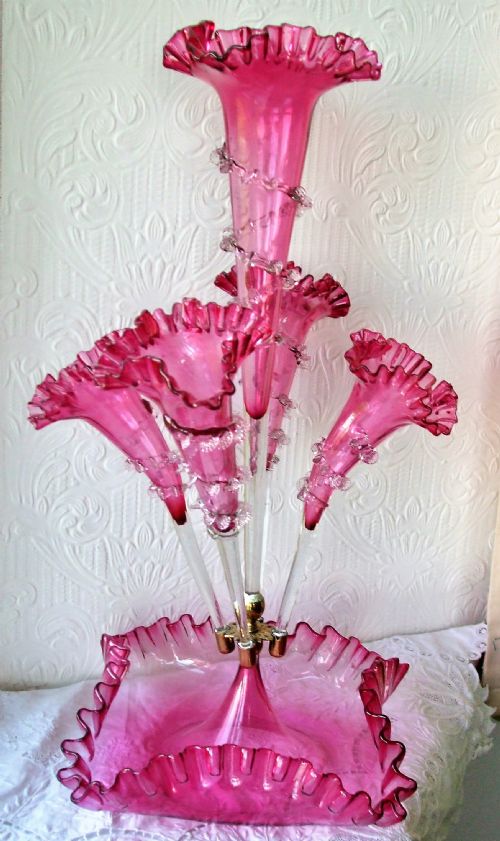
- A centrepiece ornament featuring a central dish with multiple branching trumpets or baskets for fruit and flowers. These multi-tiered vessels often employ coloured uranium or cranberry glass.
- Cranberry glass
- A rich red-pink transparent glass coloured with gold chloride during production. It appears frequently in Victorian and Edwardian table wares.
- Vaseline glass
- A transparent yellow-green glass containing trace amounts of uranium dioxide, which glows under ultraviolet light. It is characteristic of late nineteenth and early twentieth century decorative pieces.
- Ormolu
- Gilt bronze created by applying a finely ground high-carat gold mercury amalgam to a cast bronze object. The technique produces a warm, durable metallic lustre found on nineteenth-century French frames.
- Cruet set
- A matched collection of glass bottles or cruets held in a silver or metal frame for holding condiments at the table. These sets often share the materials and period styles of larger centrepieces.
Glass Table Centrepiece: Frequently Asked Questions
What is a glass table centrepiece used for?
These pieces served as the decorative focal point of formal dining tables, often holding fruit, flowers, sweetmeats or condiments.
In grand dining rooms, multi-tiered epergnes held trailing blooms and sweet dishes, while smaller silver-mounted bowls graced domestic sideboards.
How do I identify a Victorian epergne?
Victorian epergnes typically feature hand-blown glass with ruffled rims, often in cranberry or vaseline hues, fitted with multiple trumpets.
They frequently sit upon a matching glass base or a silver plated wirework frame characteristic of nineteenth-century manufacturing methods.
What is the difference between crystal and glass?
Crystal contains added minerals such as lead oxide, which increases the weight, refractive index and clarity of the material.
This composition allows for deeper, sharper cutting and produces a resonant ring when struck, distinguishing it from standard soda-lime glass.
How should I clean a silver mounted glass piece?
The glass insert should be removed from its metal mount and washed separately in warm soapy water using a soft cloth.
Silver or gilt bronze frames require dry dusting or targeted polishing with a non-abrasive cloth, taking care to avoid getting polish on the glass or fabric liners.