
Vintage Glass Spirit Decanter
A vintage glass spirit decanter holds your whisky, brandy or port while adding period character to a sideboard or bar.
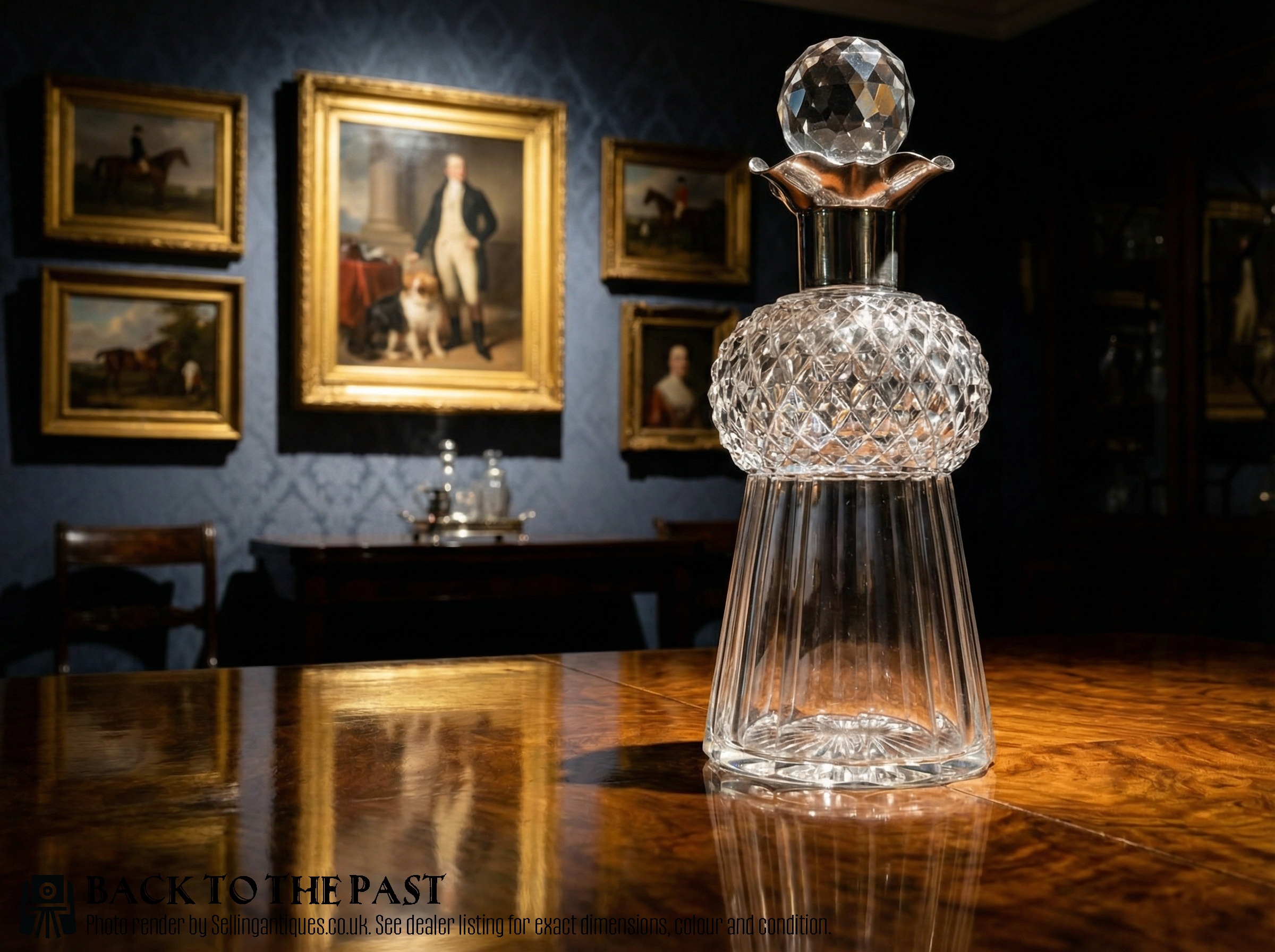
Vintage Glass Spirit Decanter
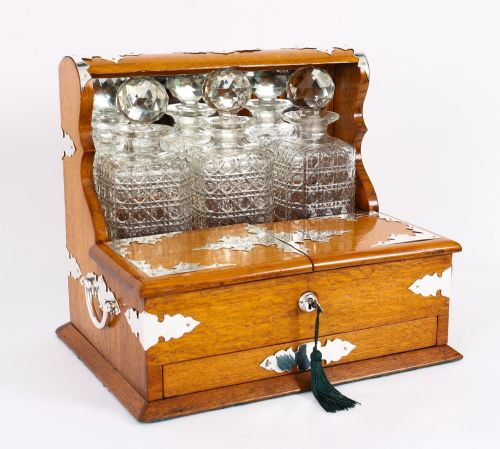
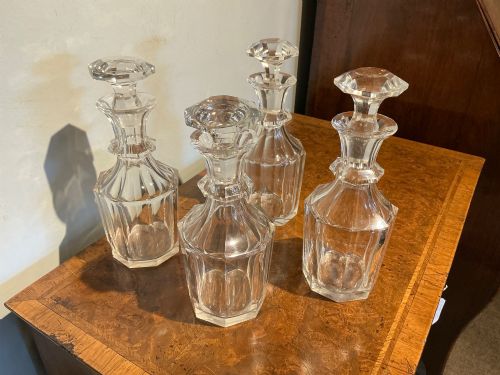
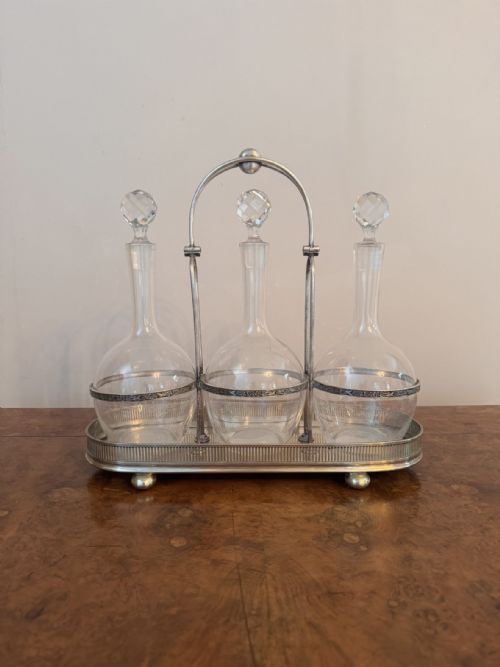
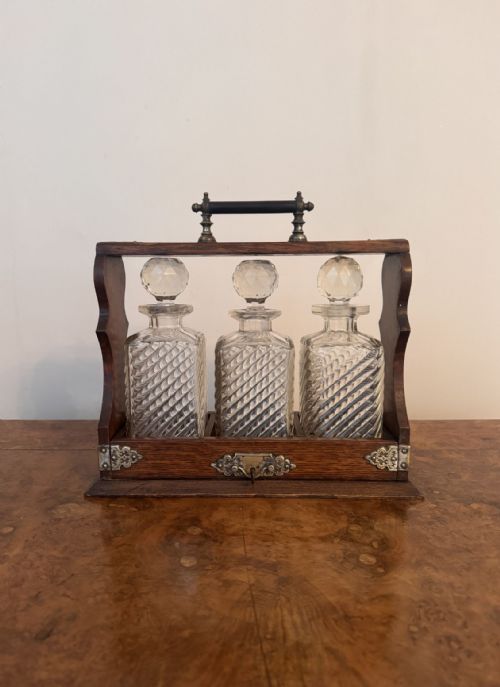
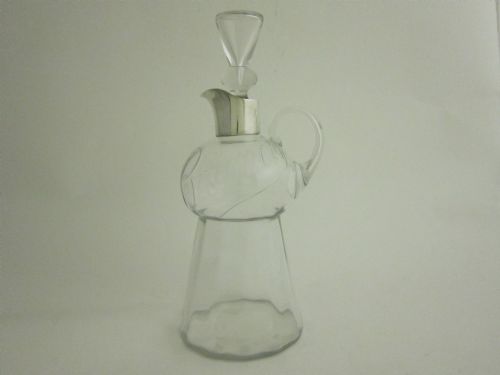
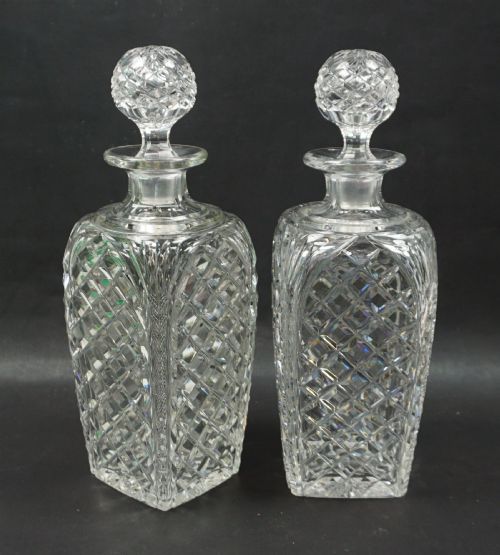
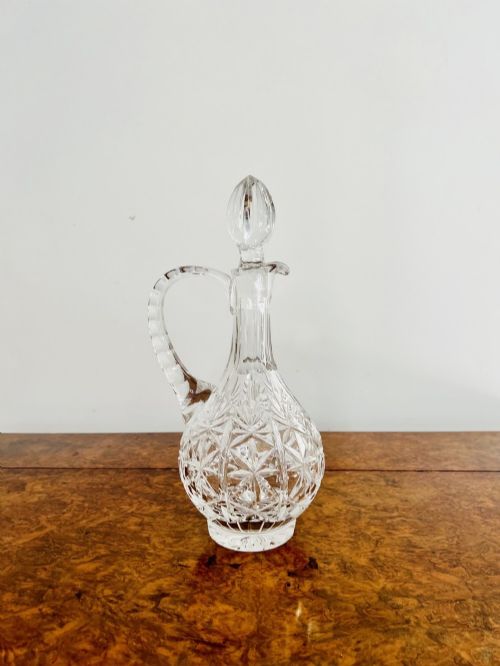
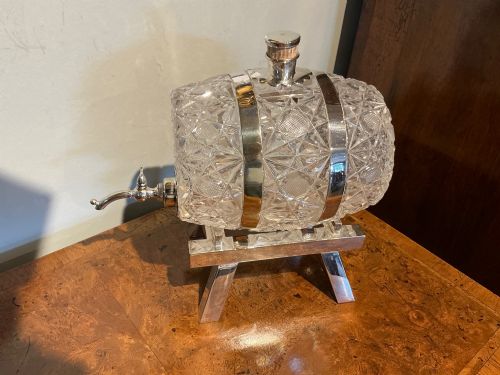
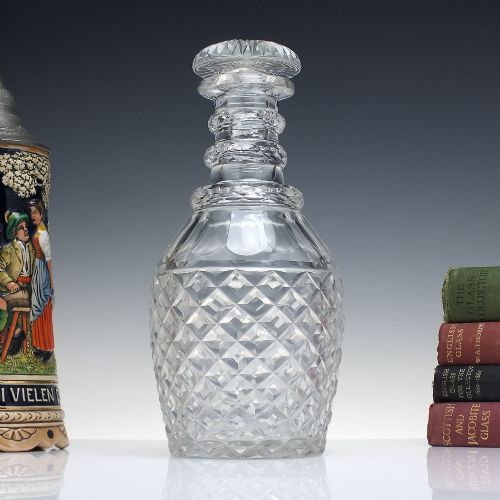
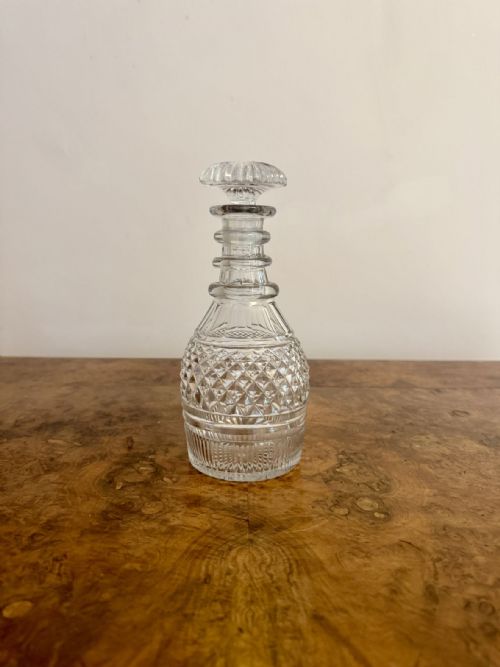
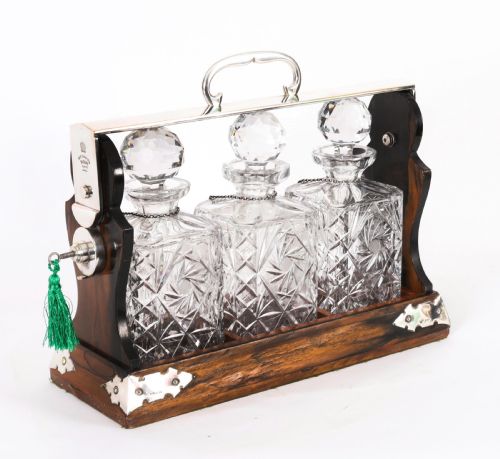
A vintage glass spirit decanter serves as a practical vessel for serving and displaying liquor, appearing frequently in forms ranging from standalone bottles to pairs and sets. The pieces span periods from the Victorian and Edwardian eras into the Art Deco style of the twentieth century. Collectors encounter square section tapered vessels, bell shaped bottles, spirit barrels and elaborate tantalus frames.
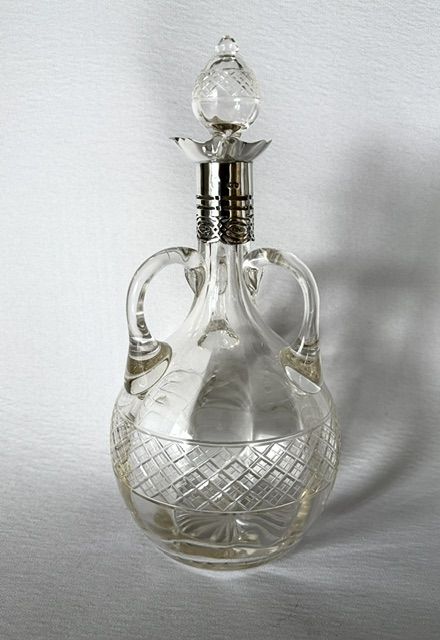
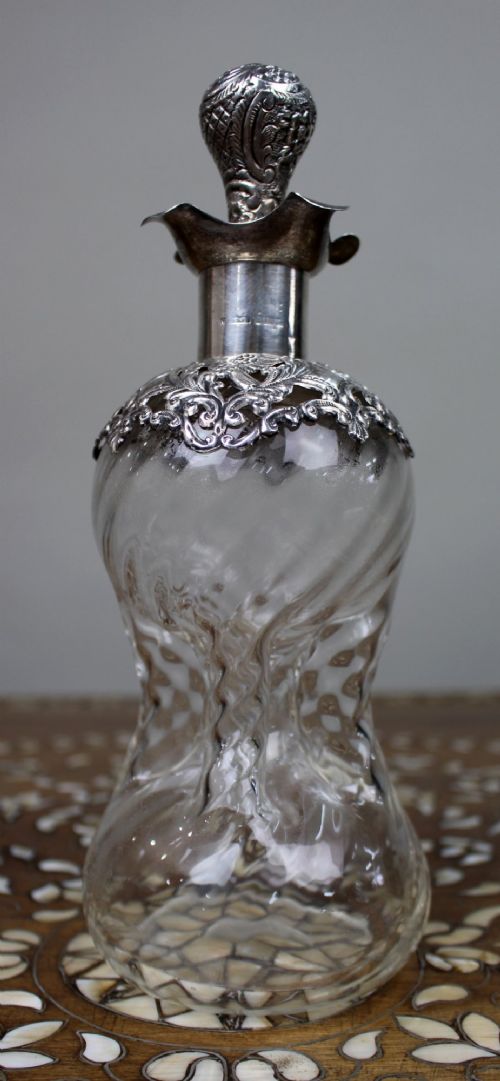
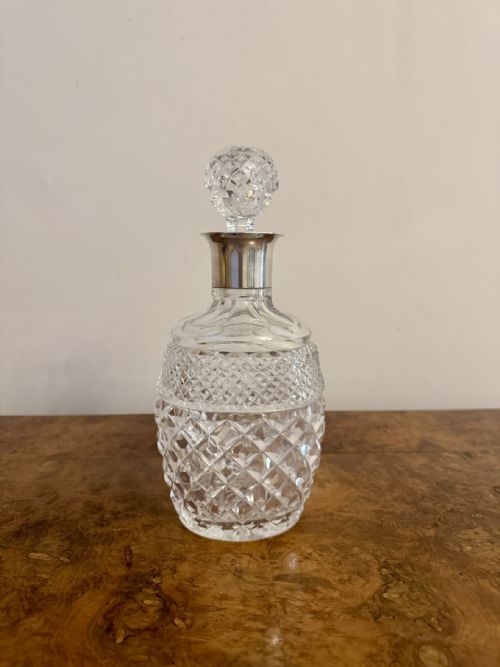
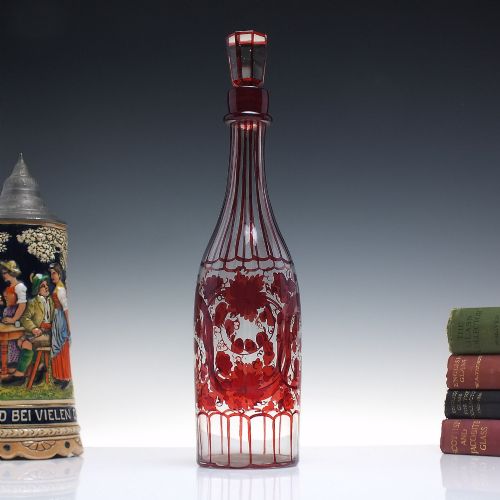
The material composition relies heavily on glass, cut crystal and lead crystal, often paired with sterling silver collars, silver plate mounts or wooden cabinetry. Makers utilised ruby glass, cobalt crystal and green glass alongside hand painted or enamelled decorations. Some examples form part of matching sets or incorporate games compendiums within oak and coromandel boxes.
Materials and construction
Makers shaped heavy glass and crystal using cutting, moulding and blowing techniques to create deep geometric patterns and light catching facets. Silver collars and mounts were shaped and hallmarked to secure the necks, while stands utilised oak, satin wood and coromandel timber.
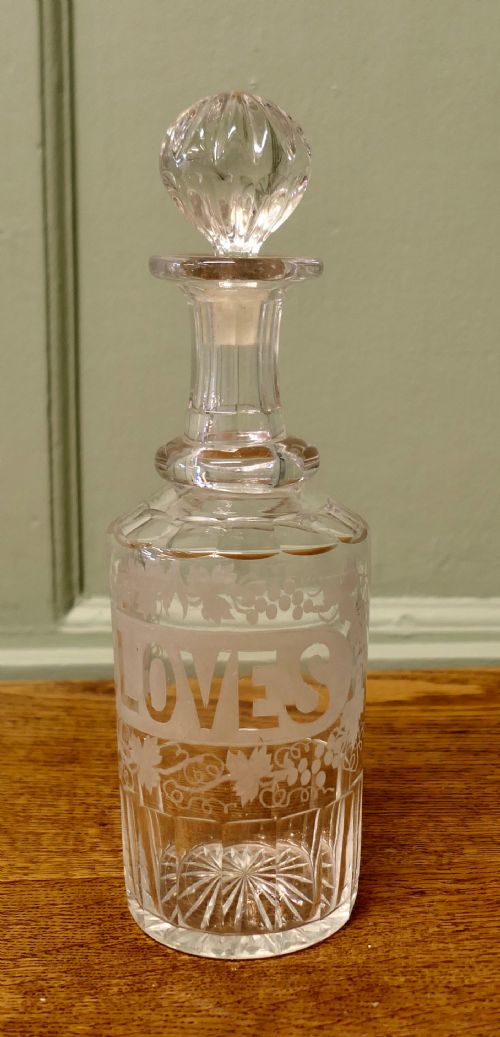
Surface decoration involved hand painting, enamelling and etching to produce detailed motifs. Silver plated hardware and locking mechanisms completed secure tantalus frames designed to protect the spirits within.
Vintage Glass Spirit Decanter Retail Price Guide 2026
Typical asking prices for vintage glass spirit decanter among the pieces listed under this phrase on Sellingantiques today, from the lower quarter to the upper quarter. They describe what is for sale here now, not the wider market.
Some nineteenth century tantalus sets included hidden compartments for playing cards, ensuring guests remained thoroughly entertained.
Elements of quality
The clarity and weight of the crystal distinguish superior examples, alongside the precision of the hand cut facets. Deeply refractive glass and heavy lead crystal indicate a higher grade of manufacture.
The quality of the metalwork, such as solid sterling silver mounts with clear Birmingham hallmarks rather than basic silver plate, elevates the piece. Fitted wooden cases with robust locking mechanisms and integrated games compendiums reflect superior craftsmanship.
Betjemann·Rene Lalique·Karl Palda
The Vintage Glass Spirit Decanter Glossary
- Tantalus
- A locked wooden frame holding decanters securely so they cannot be removed without a key. This device prevented servants or guests from accessing the liquor.
- Lead crystal
- Glass containing metallic oxide to increase weight, brilliance and clarity. This material allows for deep, sharp cutting.
- Silver collar
- A metal band fitted around the neck of a decanter. These collars often bear hallmarks indicating the year and place of assay.
- Spirit barrel
- A horizontal cylindrical vessel used for holding liquor. These pieces frequently rest on fitted stands with matching taps.
Vintage Glass Spirit Decanter: Frequently Asked Questions
How do I identify a Victorian decanter?
Victorian examples often feature heavy cut crystal, etched floral or clover motifs, and substantial sterling silver mounts with nineteenth century hallmarks. The glass tends to be thick with deep, hand applied facets.
Look also for distinct forms such as spirit barrels, coromandel tantalus frames, and rich green or ruby coloured glass.
How should I clean an old decanter?
Clean vintage glass gently with warm water and mild detergent, avoiding harsh abrasives that might scratch the surface or damage engraved details. Remove silver stoppers or mounts if possible to protect the metal.
Allow the vessel to dry thoroughly upside down on a soft cloth to prevent moisture rings inside.
Are Edwardian decanters different from Victorian ones?
Edwardian pieces often embrace lighter, more refined profiles including square section tapered shapes and subtle silver collar mounts. The cutting tends towards crisp geometric layouts typical of the early twentieth century.
Victorian pieces lean towards heavier proportions, dark wood stands and elaborate etched or coloured glass varieties.