



Antique Port Decanter
An antique port decanter brings Georgian, Victorian, and Edwardian craftsmanship directly to the sideboard for anyone pouring after-dinner drinks.
What these pieces are
An antique port decanter is a traditional vessel designed for holding and serving fortified wine, appearing in forms such as mallet shapes, ship's profiles, and three-ring Prussian styles. These bottles emerge from the Georgian, Victorian, and Edwardian periods, showcasing centuries of British dining habits.
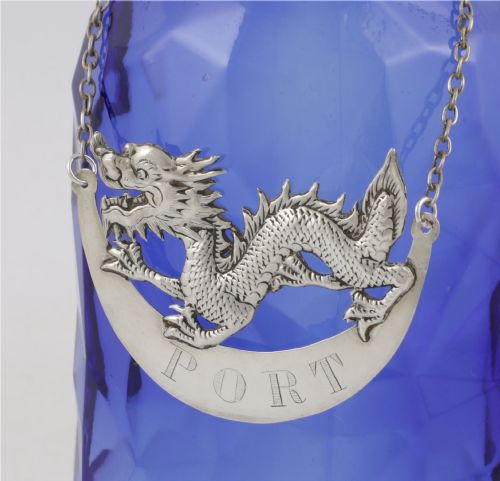
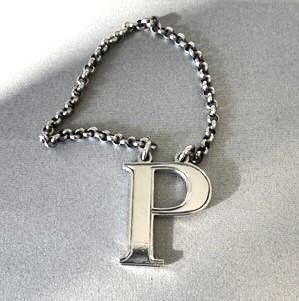
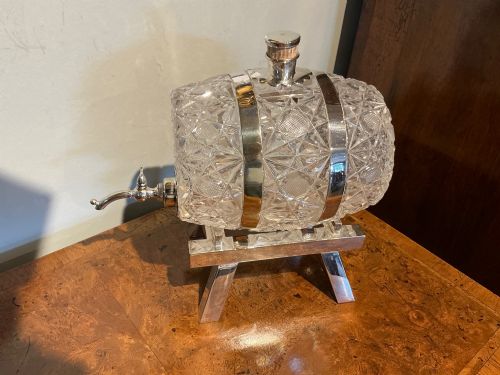
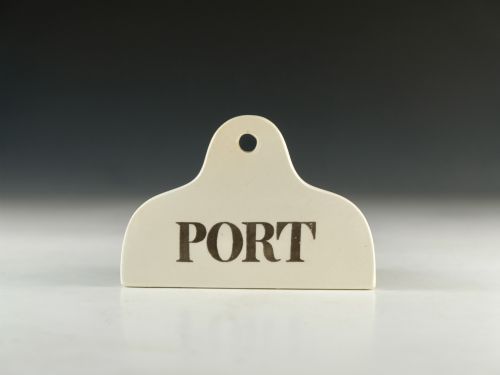
Buyers regularly encounter glass and lead crystal vessels outfitted with stoppers, occasionally accompanied by sterling silver mounts or dedicated port decanter labels. The selection spans single spirit bottles alongside matched pairs from the nineteenth and early twentieth centuries.
Originating primarily from English workshops, these items reflect the evolution of domestic glassware from the late seventeen hundreds through to nineteen hundred. Each style corresponds to the dining customs of its era, from broad-based mallet decanters designed to remain stable on shipboard to elegant cut crystal variations.
How they were made
The material foundation rests on heavy glass, lead crystal, and plain crystal, often shaped by hand blowing into moulds or free-blowing. Craftsmen manipulated the molten metal to achieve thick bases and robust walls capable of enduring daily household use.
Surface ornamentation relies on traditional glass-cutting techniques, creating three-ring necks and faceted bodies that catch the candle or gas light. Engraving adds surface detail to specific vessels, while silversmiths provided cast or pierced sterling silver labels hung by chains.
Retail Price Guide 2026
Typical UK retail prices for port decanter, calculated from the Sellingantiques database of over a million retail prices indexed since 2003. This retail price guide relies exclusively on Sellingantiques data; no external sources or auction records are used, so the figures do not describe the wider market.
A good ship's decanter was engineered with a wide bottom so gentlemen could drink heavily without sliding their port across a rolling dining table.
What varies in quality
Distinctions in quality arise from the clarity and weight of the crystal and the precision of the hand-cut facets. Superior examples display brilliant refraction and crisp, uniform rings or fluting around the neck, whereas lesser pieces show duller metal and softer execution.
The integrity of the matching original stopper dictates desirability, as replacements alter the unified appearance of an antique decanter. Finely engraved surfaces and the inclusion of hallmarked sterling silver mounts further separate standard utility pieces from exceptional collector items.
The Antique Port Decanter Glossary
- Mallet decanter
- A heavy glass bottle characterised by a wide, sloping base resembling a wooden mallet, typical of the late eighteenth century. This sturdy form kept the vessel stable during carriage or dining.
- Ship's decanter
- A low, conical glass vessel with a wide base designed to prevent tipping aboard a rolling ship. The broad footprint made it practical for maritime dining rooms.
- Prussian decanter
- A bottle featuring three or more distinct rings around the long neck, popular during the Georgian and Victorian eras. These applied rings provided a secure grip for pouring.
- Lead crystal
- A high-clarity glass containing metallic oxide that increases weight and refractive brilliance. This material allows for deep, sharp wheel-cutting.
Frequently Asked Questions
How do I clean an old decanter?
Resist using harsh abrasives or very hot water on antique glass, as thermal shock can crack aged vessels. Gentle washing with warm water and specialised cleaning beads preserves the interior surface.
Allow the decanter to dry completely upside down on a rack before replacing the stopper. This prevents moisture rings and cloudiness from forming inside the crystal.
Are these stoppers original?
Matching stoppers generally share the same glass tint, wear patterns, and grinding marks as the neck of the bottle itself. Hand-ground fittings are unique to each vessel.
Examining the base of the stopper reveals whether it was ground to fit that specific opening during manufacture. Slight irregularities often confirm period authenticity.
Can I use them for serving wine?
These vessels were built to hold and pour fortified wines like port, brandy, and spirits during dining. Modern use remains entirely practical provided the interior is clean.
Avoid leaving port sitting in the crystal for extended weeks, as sediment can stain aged glass surfaces. Wash the bottle promptly after each gathering.
How do I tell Georgian from Victorian?
Georgian decanters frequently feature heavier lead crystal, mallet shapes, or engraved floral motifs from the late seventeen and early eighteen hundreds. The metal often has a darker, deeper tone.
Victorian and Edwardian versions tend towards machine-pressed or heavier cut patterns with three-ring necks. The overall silhouette reflects changing domestic tastes through the nineteenth century.