


French Style Candelabra
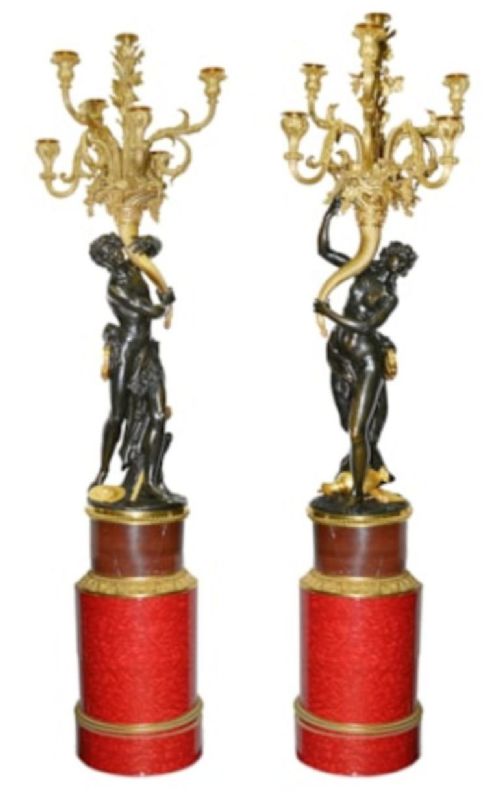
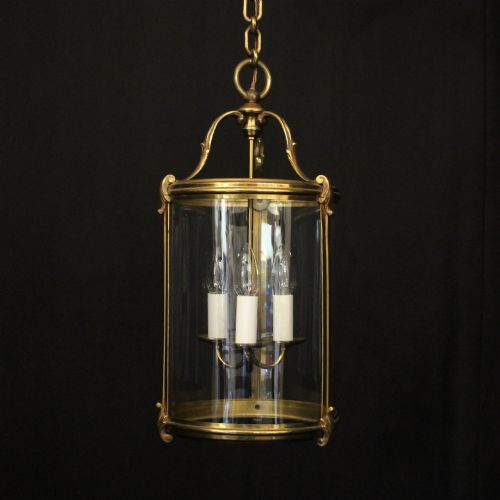
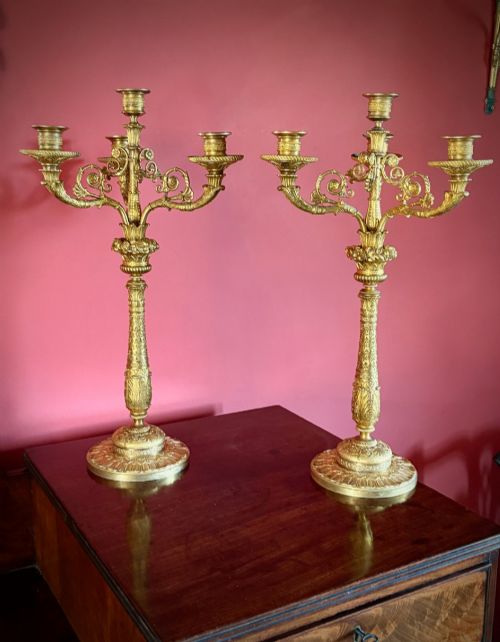
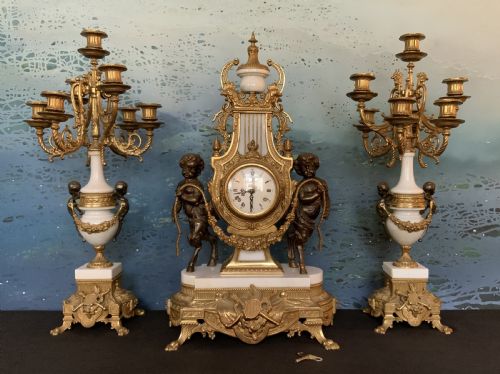
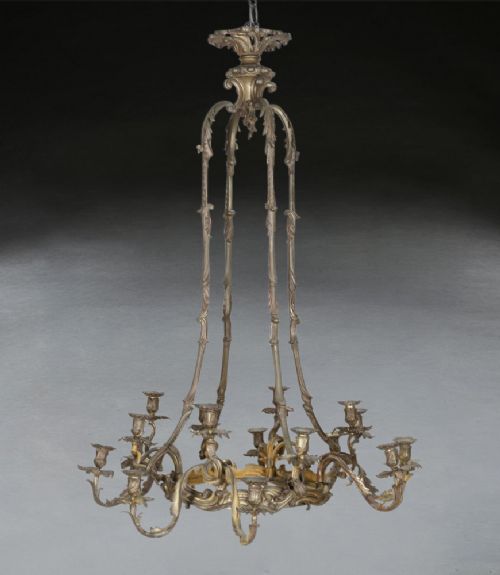
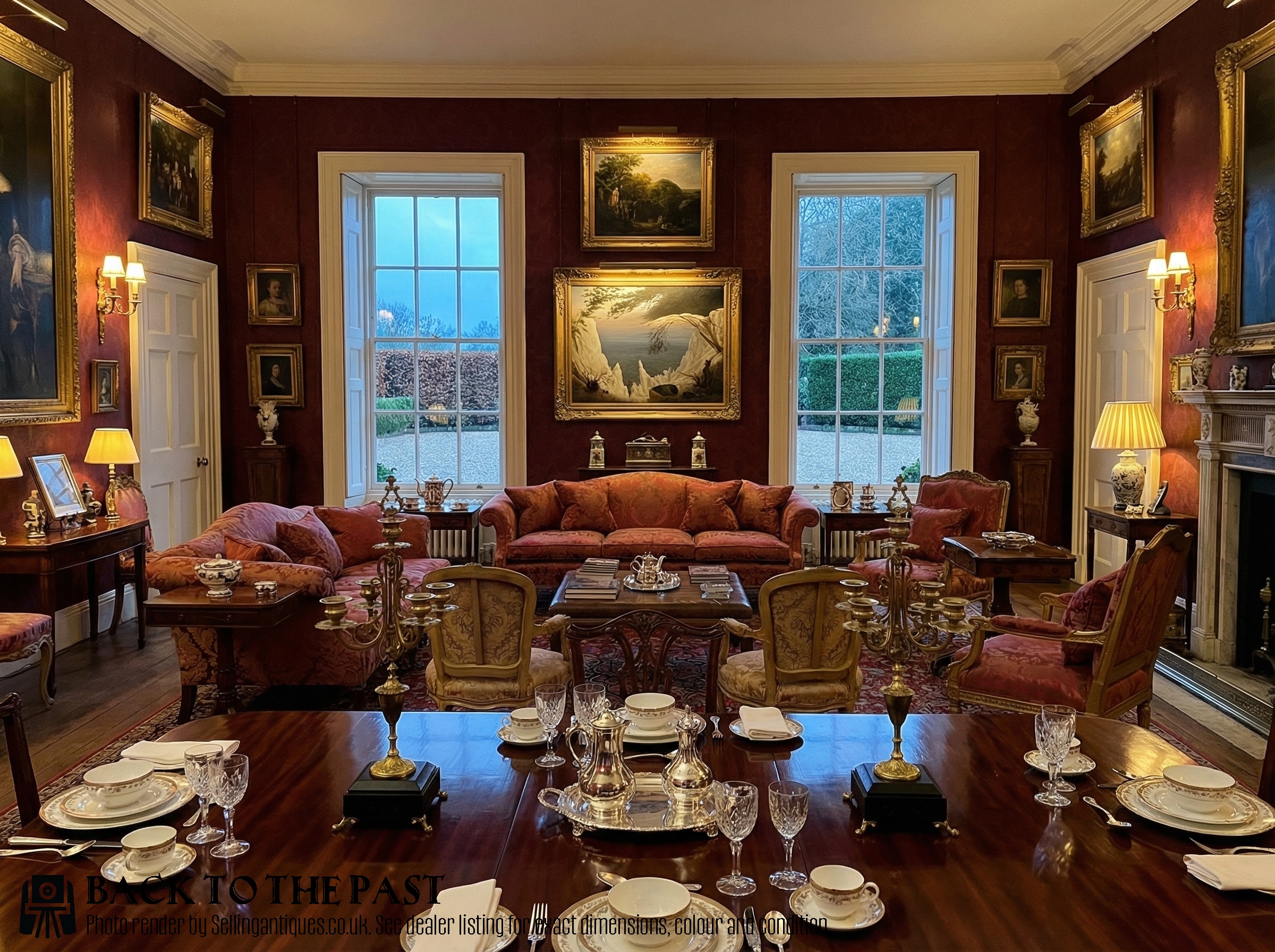
These French style candelabra bring genuine presence to a room, combining substantial bronze, brass, and marble into functional lighting.
French style candelabra
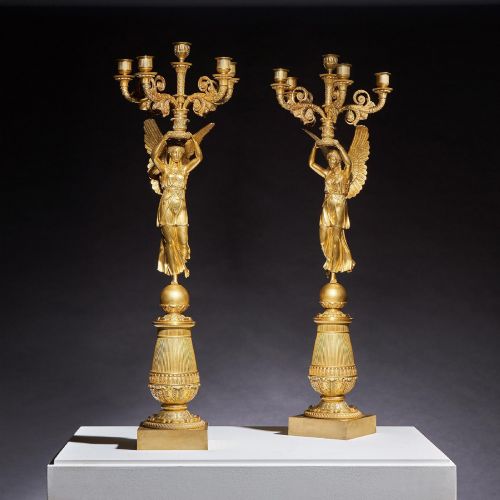
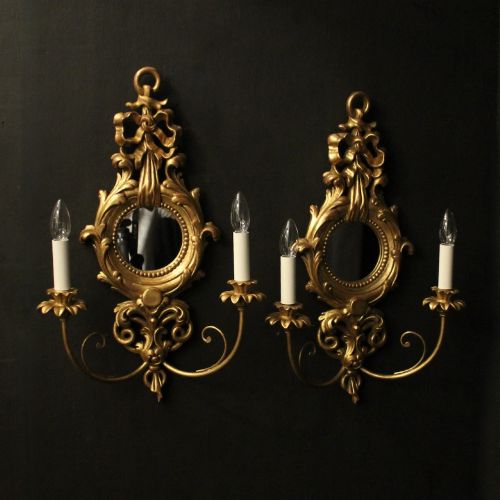
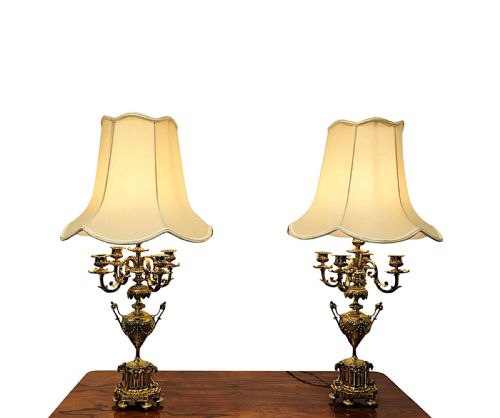
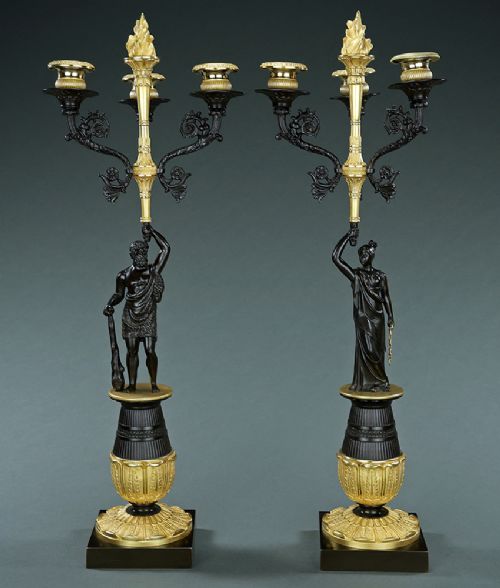
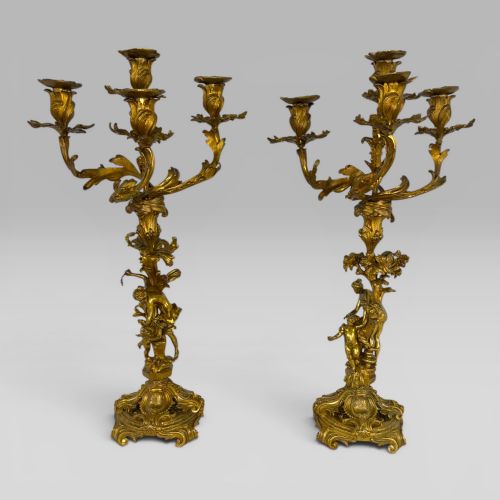
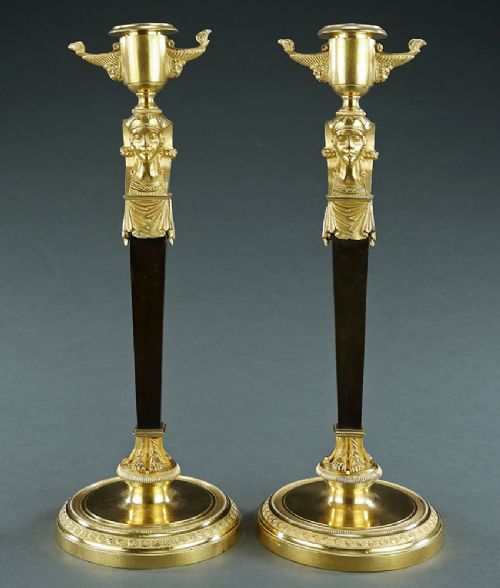
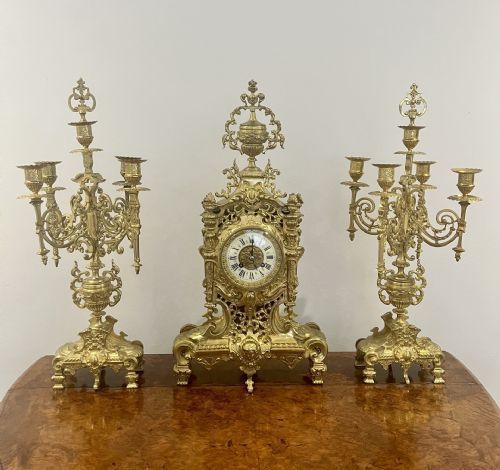
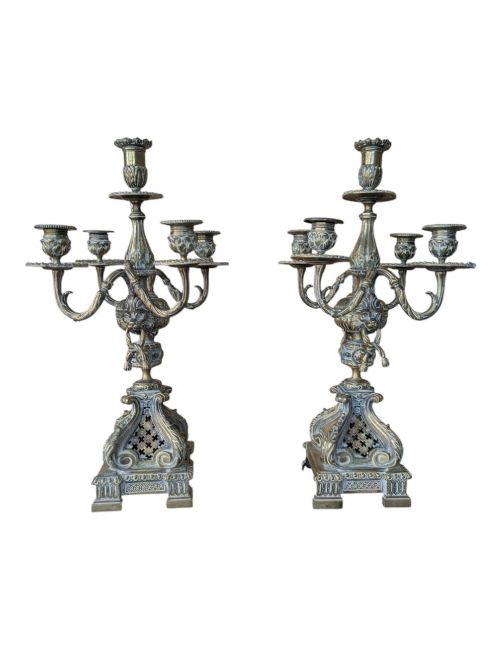
The pieces appearing in these listings span the nineteenth and twentieth centuries, taking the form of Victorian productions, Neoclassical compositions, and Louis XVI or Empire interpretations. Brass, bronze, and gilt metal dominate the current selections, often paired with white marble bases or accented with figural elements.
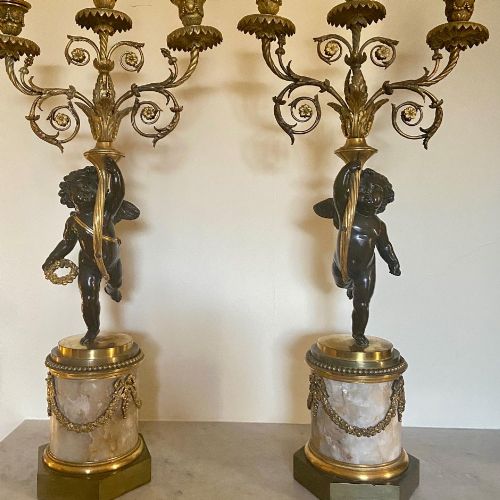
Many examples utilise multi-branch configurations holding three or five lights, whilst others incorporate figural subjects such as cherubs, putti, or classical figures like Nike. Buyers also find twentieth-century adaptations alongside nineteenth-century originals, demonstrating a continuous appetite for ornate lighting.
Materials and construction
The construction of these pieces relies on cast and chased metalwork, utilising bronze, brass, gilt metal, and silver plate. Foundries formed the primary bodies and branches through metal casting, frequently finishing surfaces with fire gilding or polished highlights to enhance the metallic lustre.
Many heavy examples incorporate contrasting materials, pairing bronze or gilt brass components with carved white marble bases or champlevé enamel sections. Individual parts are typically secured via threaded internal rods and screws, allowing the branches, drip pans, and central columns to be disassembled for cleaning or wiring.
Retail Price Guide 2026
Typical UK retail prices for french style candelabra, calculated from the Sellingantiques database of over a million retail prices indexed since 2003. This retail price guide relies exclusively on Sellingantiques data; no external sources or auction records are used, so the figures do not describe the wider market.
Listings feature items spanning the Victorian era through the 1930s, constructed in brass, bronze, marble, and gilt metal.
Assessing quality
The structural integrity of the base materials also dictates the standard, seen in solid marble plinths and heavy-gauge bronze rather than thin pressed sheet metal. Heavier casting ensures the branches remain rigid under the weight of multiple candle sockets without drooping.
The French Style Candelabra Glossary
- Ormolu
- Gilded bronze, where a gold amalgam is applied to a bronze base through heat treatment. This technique creates a durable, warm metallic surface found on high-end French decorative pieces.
- Champlevé
- An enamelling technique where troughs are gouged into a metal surface, filled with vitreous enamel powder, and fired. It produces colourful decorative patterns across the body of the object.
- Putti
- Depictions of plump, winged male toddlers used widely as sculptural supports in decorative arts. They frequently appear clambering up the central stems of nineteenth-century lighting.
- Drip pan
- The small saucer-shaped disc situated beneath each candle nozzle to catch melting wax. These components screw directly into the branching arms of the fitting.
Frequently Asked Questions
How are French style candelabra cleaned?
Dust accumulated in intricate chasing requires a soft-bristled brush to prevent scratching the metal surface or wearing away delicate gilding. Chemical polishes must be avoided on gilded or patinated bronze, as abrasive compounds strip the historic finish.
Marble bases benefit from a gentle wipe with a damp cloth followed by immediate drying. Care prevents moisture from entering any unsealed joins between the stone and the metal mounts.
Were these originally wired for electricity?
Almost all antique examples of this type were manufactured exclusively for wax candles before the widespread adoption of domestic electricity. Many later examples underwent conversion during the twentieth century to accept internal electrical wiring for modern use.
Conversions often route the cable down through the central stem, sometimes utilising dummy candle sleeves to conceal modern lamp holders. Original sconces and drip pans may be adapted or bypassed entirely during this process.
How do I distinguish Louis XVI style from Empire style?
Louis XVI style pieces display restrained classical symmetry, featuring delicate fluted columns, ribbons, acanthus leaves, and urn motifs. The overall aesthetic feels lighter and more overtly architectural in its ornamentation.
Empire style examples adopt a heavier, more militaristic classical vocabulary inspired by ancient Rome and Greece. They frequently feature bolder proportions, winged figures such as Nike, and heavy classical trophies.
Can missing components be replaced safely?
Replacement parts such as drip pans or bobeches can sometimes be sourced from specialist antique restorers who match period brass gauges. Sourcing exact matches for specific gilt bronze castings requires patience due to individual foundry variations.
Structural repairs to bent branches should be undertaken by professionals experienced in working with brittle historic brass and bronze. Applying incorrect heat risks melting solder joints or cracking the underlying metal.