
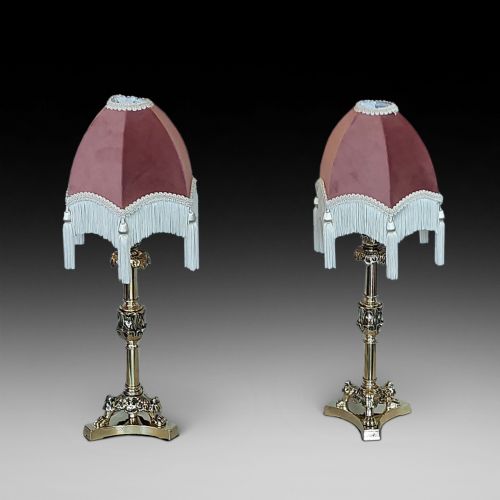


Ornate Brass Candlesticks
Ornate brass candlesticks bring heavy period metalwork and sculptural weight to a mantelpiece, offering rich casting and traditional illumination.
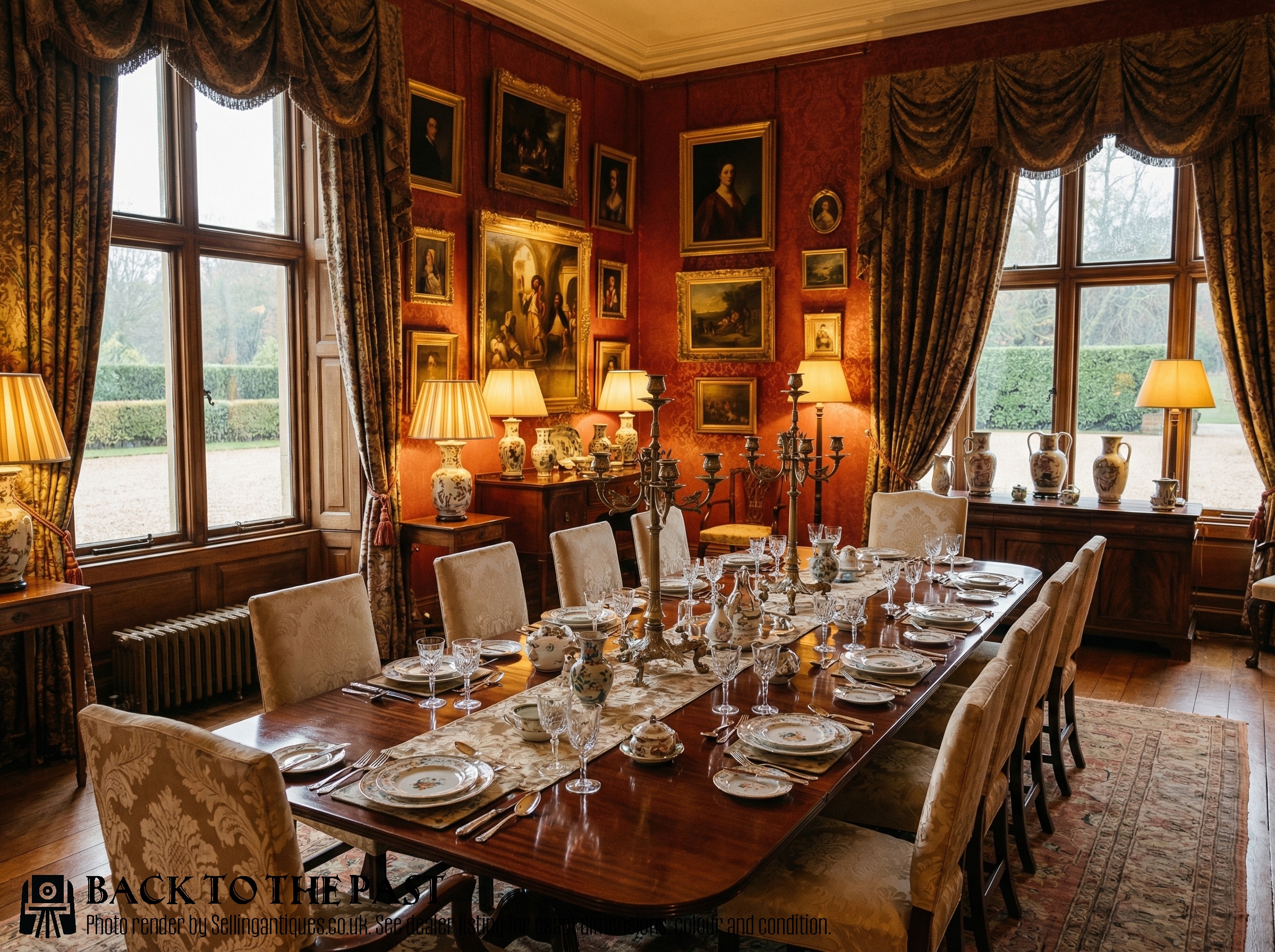
What ornate brass candlesticks are
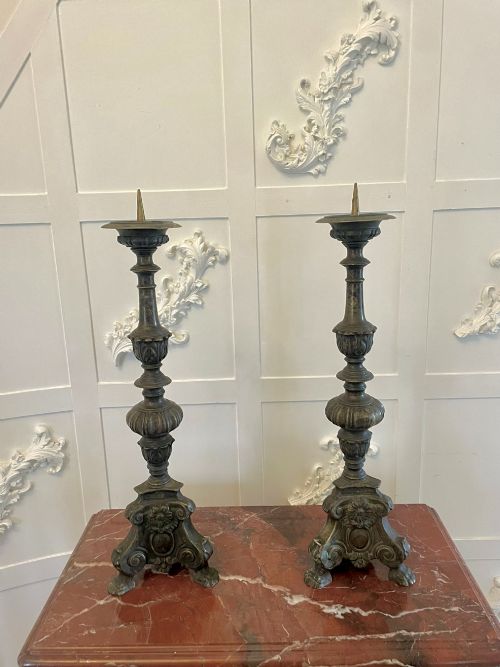
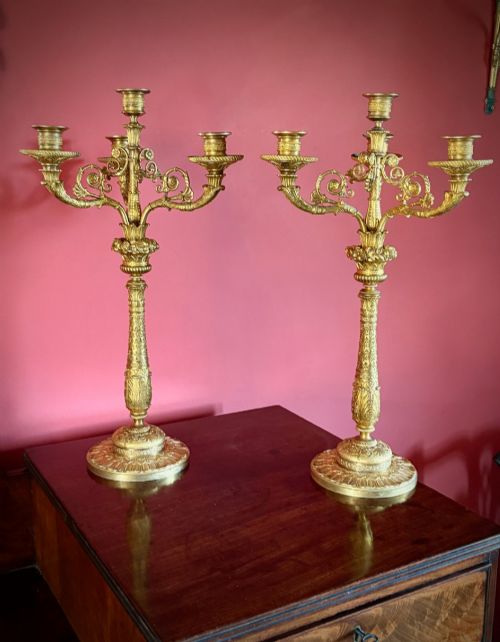
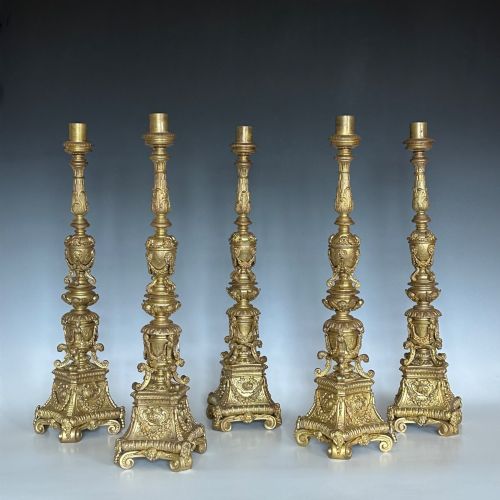
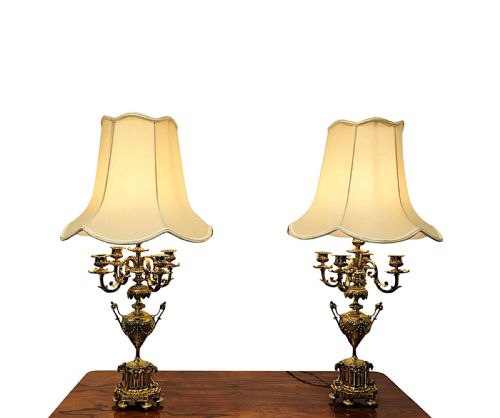
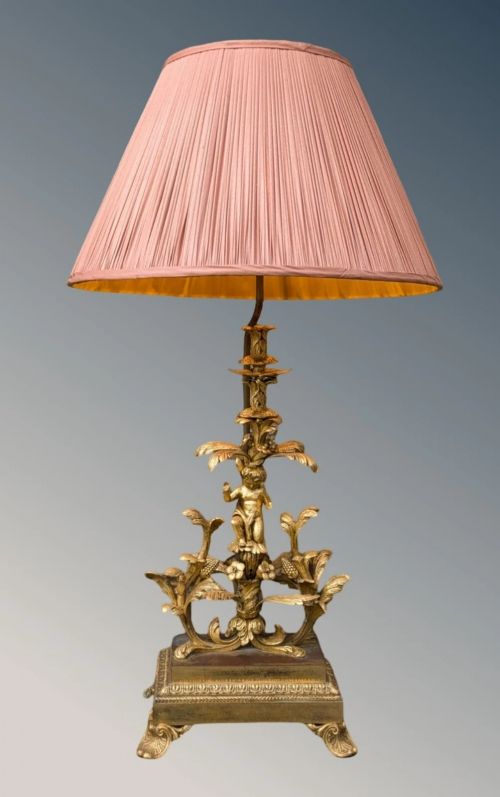
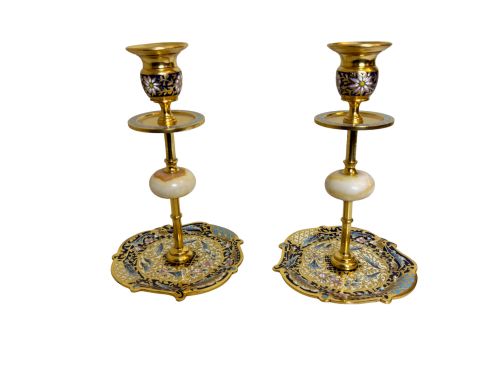
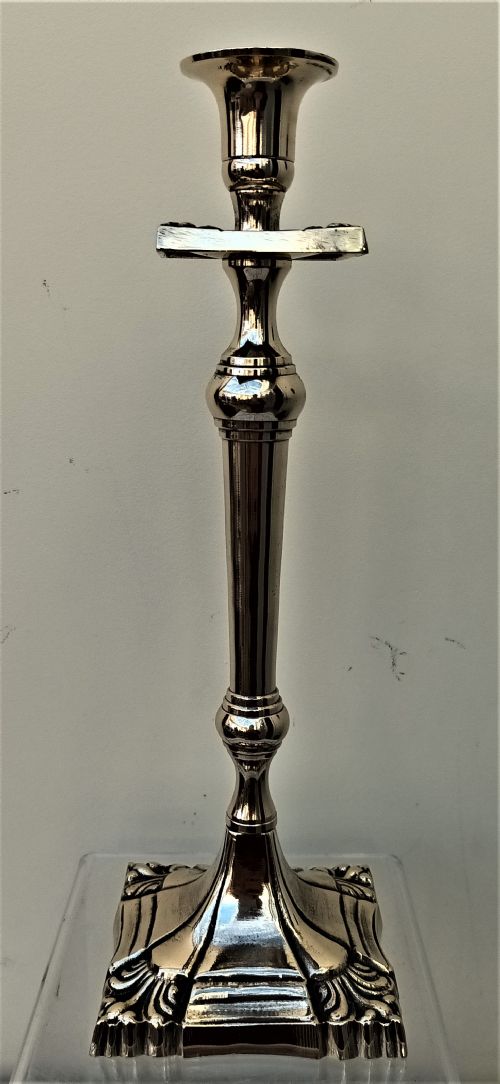
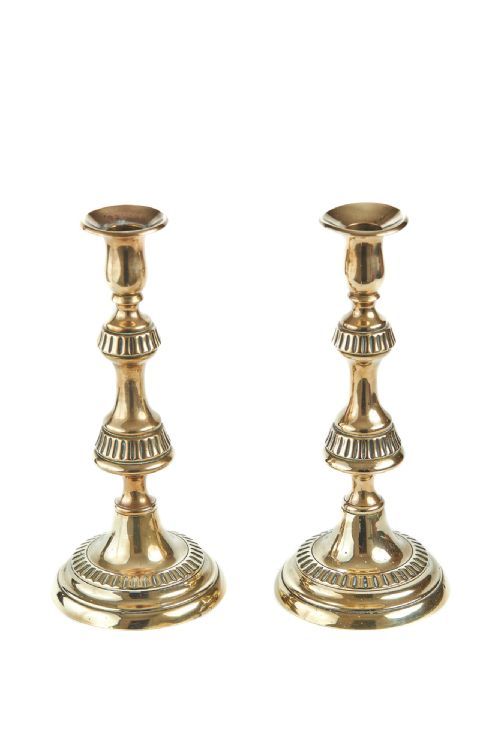
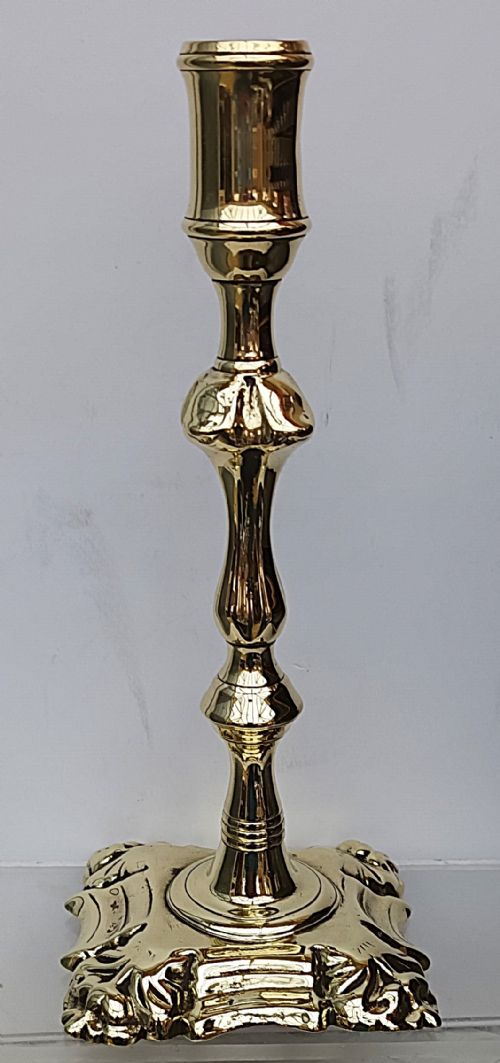
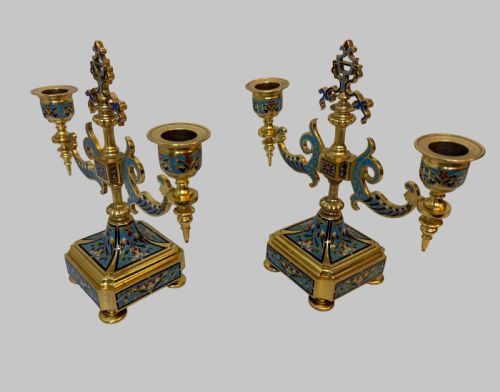
Ornate brass candlesticks comprise domestic lighting fixtures and table fittings produced primarily across the nineteenth century, taking the form of pairs designed for balanced placement. The selection spans standard candlesticks alongside multi-branched candelabras, including examples fitted with prickets, dancing cherubs, or converted to electric lamps.
The aesthetic vocabulary draws upon distinct historical revivals and regional designs, featuring Italian Genoa triple arm configurations, French interpretations, and Regency or Victorian idioms. Pieces range from polished brass table items to large gilded brass and gilt metal creations incorporating glass elements or fabric fringes.
Buyers encounter variations extending from simple nineteenth-century brass candle sticks to elaborate Italian baroque and rococo revival forms. The inventory includes both single-light standards and heavy multi-branch candelabras dating from around eighteen hundred to eighteen sixty.
How they were made
These items utilise cast and spun brass components, often enhanced through gilding to produce a rich surface finish. Workshops combined heavy metal casting with applied decorative motifs such as cherubs, scrolling arms, and pricket spikes.
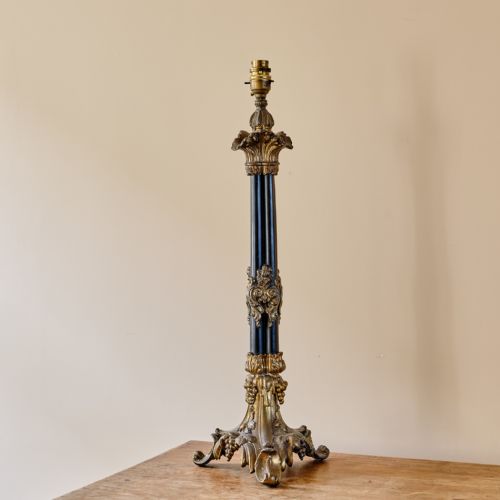
Makers integrated mixed media including iron, glass, fabric, and fringe into select lighting forms. Later alterations also show nineteenth-century brass candlesticks adapted with electrical fittings while retaining their original metal bodies.
Retail Price Guide 2026
Typical UK retail prices for ornate brass candlesticks, calculated from the Sellingantiques database of over a million retail prices indexed since 2003. This retail price guide relies exclusively on Sellingantiques data; no external sources or auction records are used, so the figures do not describe the wider market.
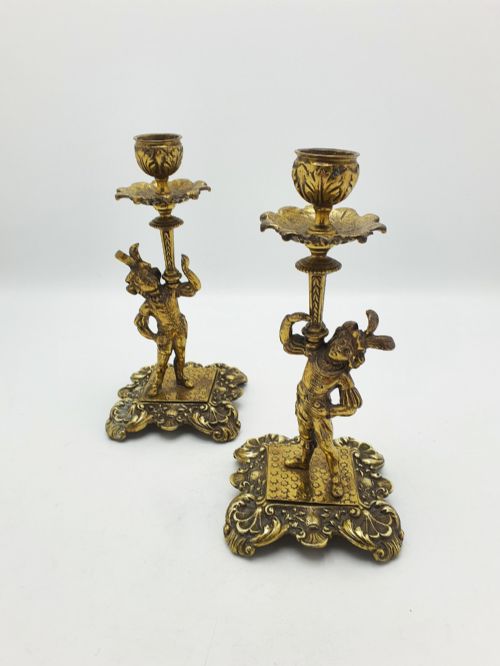
Several nineteenth-century brass stems come populated by small, energetic dancing cherubs.
What varies in quality
The distinction between standard items and superior examples lies in the crispness of the casting and the depth of the chased detail. Finer pieces display sharply rendered figures like dancing cherubs and intricate architectural or floral ornamentation rather than soft, blurred edges.
Material application also defines the hierarchy, with heavy gilded brass and substantial multi-branch candelabras standing apart from lighter, simpler brass forms. The presence of integrated elements like glass components and elaborate pricket plates signals more ambitious nineteenth-century production.
The Ornate Brass Candlesticks Glossary
- Pricket candlesticks
- Lighting fittings featuring a sharp central spike designed to impale the base of a wax candle rather than sitting inside a socket.
- Candelabras
- Branching lighting fixtures holding multiple candles simultaneously, often configured with three or more arms.
- Gilded brass
- Base metal treated with a gold-coloured surface layer to emulate solid gold or high-grade gilt bronze.
- Rococo revival
- A nineteenth-century design style mimicking the asymmetrical scrolls, shell motifs, and exuberant ornamentation of the eighteenth century.
Frequently Asked Questions
What periods do these pieces date from?
The available selection primarily spans the nineteenth century, including specific dates around eighteen hundred and eighteen sixty. Styles reflect Regency, Victorian, and continental revival movements.
Manufacturing techniques and aesthetic details align with these nineteenth-century periods, offering authentic historical character for interior display.
How were these candlesticks originally used?
Households utilised these metal fixtures to hold wax candles for room illumination before the widespread adoption of gas and electric lighting. Larger multi-branch candelabras stood on dining tables or sideboards.
Pricket versions held thick altar or ceremonial candles, while standard pairs provided moveable light across domestic interiors.
Can converted electric lamps be reverted?
Certain nineteenth-century brass candlesticks show historical conversions to electric table lamps, integrating wiring through the original metal stem. Reversion depends on how the internal fittings were secured during the conversion process.
Buyers should examine the physical structure of each individual piece to understand the extent of any alterations made to the brass body.