


French Brass Candlesticks
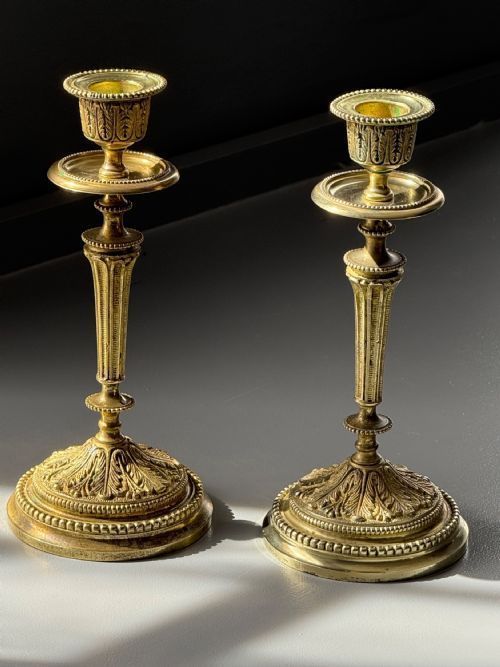
French brass candlesticks bring formal illumination from past centuries into modern rooms through varied cast metals and ornate styling.

French Brass Candlesticks
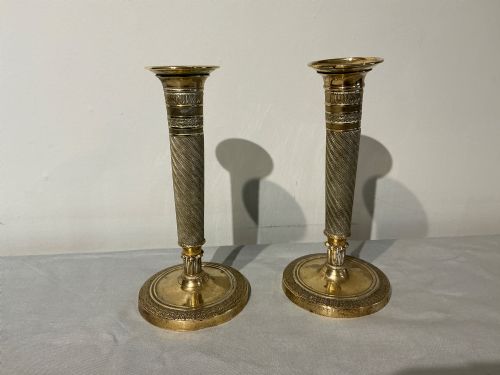
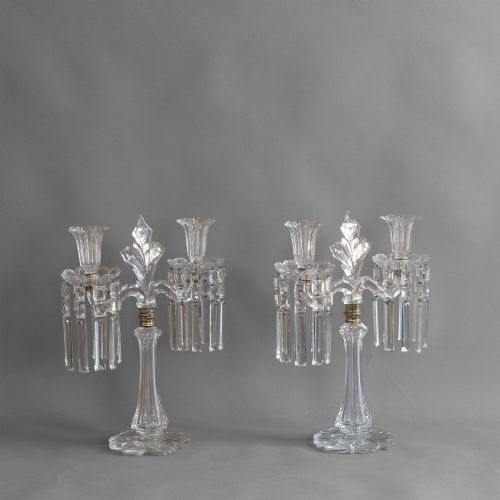
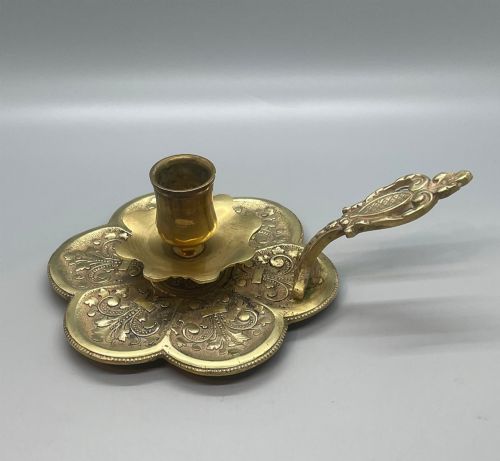
When searching for french brass candlesticks, buyers encounter lighting equipment spanning the eighteenth, nineteenth, and early twentieth centuries. The selection includes standard single-socket supports, multi-branch candelabra, chambersticks, and ecclesiastical pricket forms.
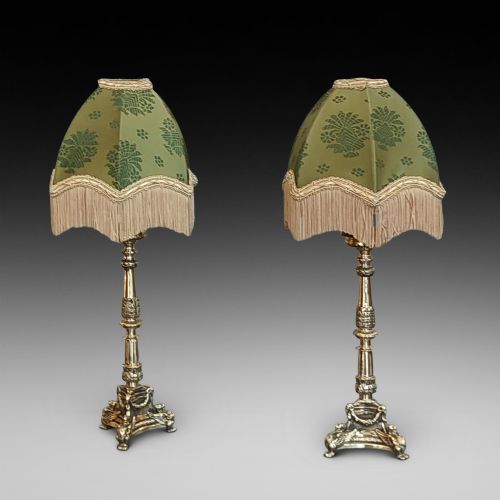
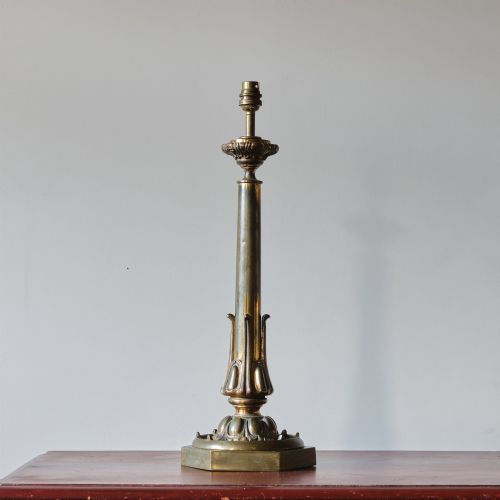
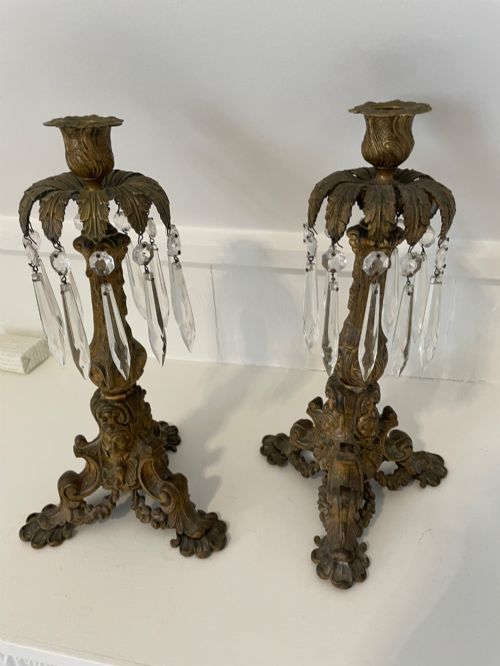
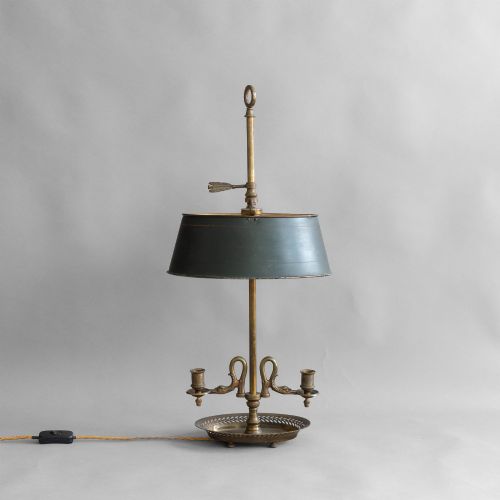
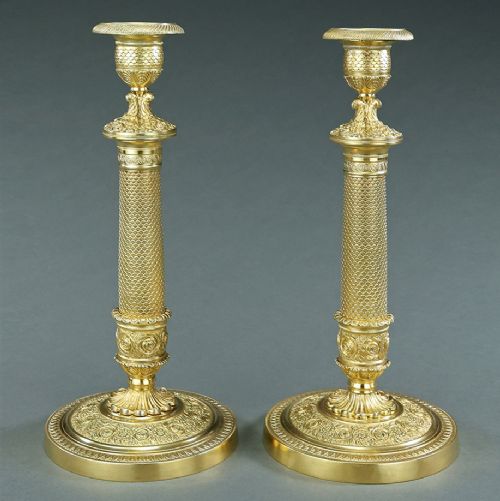
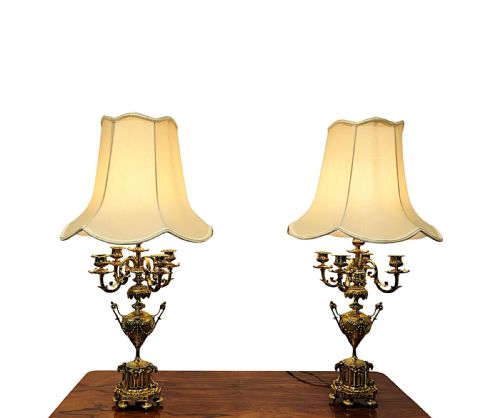
Most examples originate from nineteenth-century workshops, drawing upon established stylistic vocabularies such as French Empire, Rococo Revival, Gothic Revival, and Louis XVI. Many surviving pieces retain their original function, while others are converted safely into table lamps.
Materials and Construction
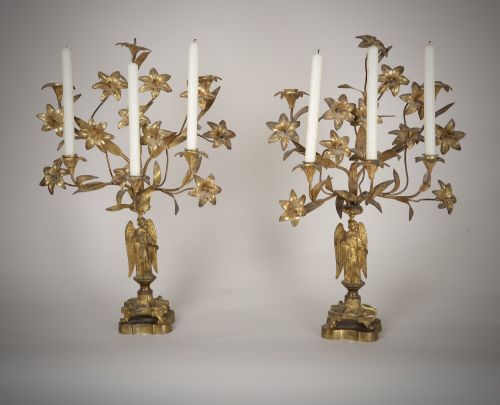
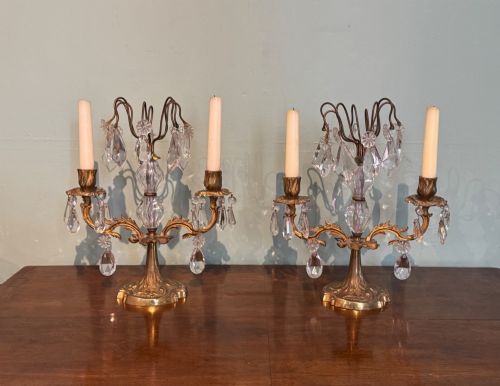
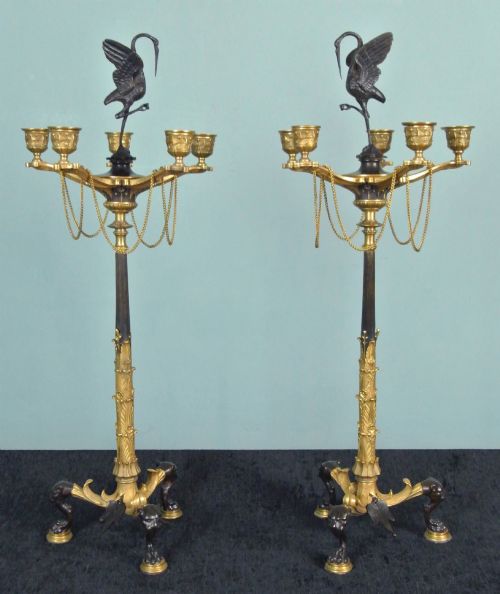
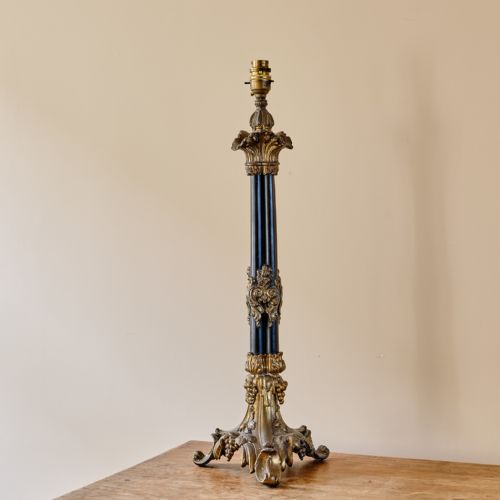
The objects are produced primarily through metal casting, utilising plain brass, cast brass, and polished brass alongside gilt bronze and ormolu. These metal components are frequently combined with contrasting materials such as white marble, onyx, patinated bronze, and cut glass.
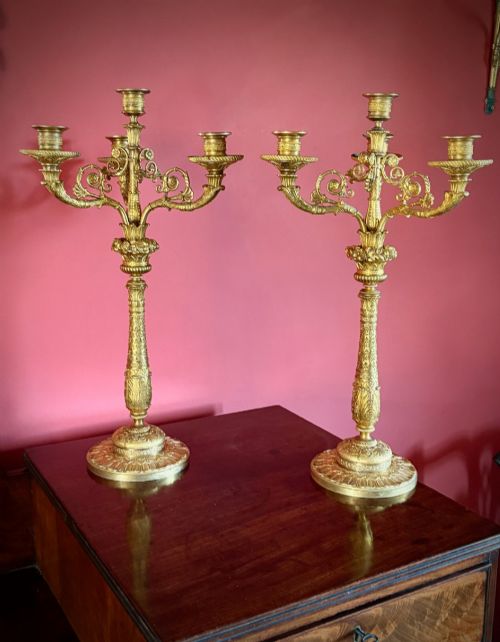
Ornate models incorporate decorative techniques including champlevé enamel work and applied fire gilding. Structural sections are cast in separate pieces before being secured together through threaded pins, screws, or socket joints.
French Brass Candlesticks Retail Price Guide 2026
Typical asking prices for french brass candlesticks among the pieces listed under this phrase on Sellingantiques today, from the lower quarter to the upper quarter. They describe what is for sale here now, not the wider market.
Current listings feature items from the eighteenth century up to the 1930s, incorporating marble, fabric, and patinated bronze.
Evaluating Quality and Detail
The choice of secondary materials also dictates grade, with genuine white marble bases, heavy ormolu mercury gilding, and intricate champlevé enamel sections separating superior items from simpler utilitarian productions.
Barbedienne
The French Brass Candlesticks Glossary
- Ormolu
- A technique of applying finely ground high-carat gold to a bronze base metal. This process creates a rich, enduring metallic surface often seen on high-status nineteenth-century lighting.
- Candelabra
- A multi-branched lighting fixture designed to hold several candles simultaneously. These pieces often feature removable arms that transform the main shaft into a standard candlestick.
- Chamberstick
- A low portable candleholder fitted with a flat saucer base and a vertical handle. These items allowed users to carry illumination through darkened rooms.
- Pricket
- A sharp metal spike projecting upward from the drip pan to secure a heavy candle. This form is common on ecclesiastical altar lights.
- Champlevé
- An enamelling technique where troughs are dug into the metal surface and filled with vitreous paste before firing. The coloured glass paste contrasts with the surrounding brass or bronze frame.
French Brass Candlesticks: Frequently Asked Questions
How do I date a french brass candlestick?
Dating relies upon stylistic markers, casting methods, and material combinations associated with specific historic periods like the Empire or Louis XVI reigns.
Heavier cast brass elements and hand-chased details typically indicate earlier nineteenth or eighteenth-century origin, while twentieth-century examples show more standardised machine finishing.
Were these candlesticks converted to lamps?
Many surviving antique pieces have been fitted with electrical wiring to serve as table lamps in contemporary interiors. This conversion is often done without altering the primary antique metal structure permanently.
Buyers can find both unconverted candle-holding examples and historically adapted lamp bases across the inventory.
What is the difference between brass and ormolu?
Brass is an alloy composed primarily of copper and zinc, valued for its warm metallic tone and durability in cast objects. Ormolu refers specifically to bronze or brass that has been gilded using a mercury-gold amalgam.
While plain brass develops a natural dark patina over time, ormolu retains a bright, luxurious golden sheen.
Are pairs always matched?
Most surviving pairs were manufactured together as matching sets, sharing identical casting moulds, heights, and decorative motifs. Some listings offer matched pairs assembled later from individual components of the same period.
Examining the base proportions and chasing work confirms whether two pieces originated from the same workshop session.