


Antique Spoon Warmer
An antique spoon warmer is a brilliant Victorian table accessory designed to keep gravy or soup spoons warm during grand dinners.
Antique Spoon Warmer
When you search for an antique spoon warmer, you encounter charming Victorian tableware accessories built for the formal dining table. These peculiar items held hot water within double walls to ensure serving spoons stayed warm for guests.
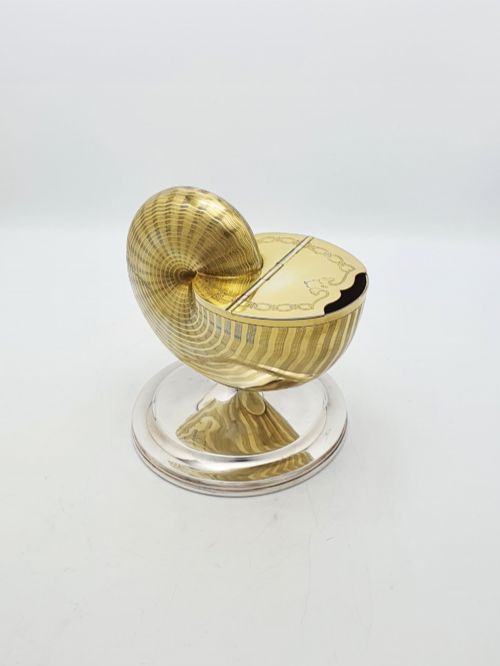
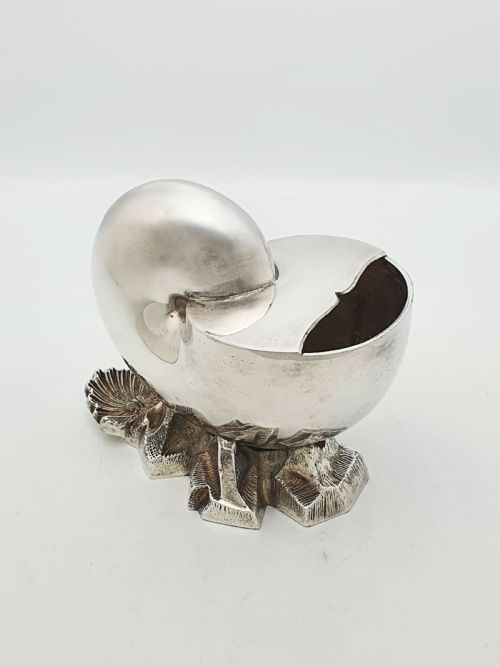
You are most likely to meet silver plated examples on this page, alongside occasional ceramic pieces from Ridgways china. The Victorian fascination with marine themes dominates the forms, resulting in numerous shell shapes.
Makers embraced novelty designs enthusiastically during the nineteenth century. Common configurations include nautilus shells, marine buoys, shoes, hunting horns, and sauce boat shapes resting on lions paw feet.
How they were made
Silversmiths utilised silver plate and electroplated nickel silver over base metal to create the gleaming bodies of these vessels. Gilt metal linings and interior gilding added contrast and protected the metal from hot water corrosion.
Ceramic pieces employed china bodies finished with glaze and detailed transfer printing or painting. Metal alloy castings formed structural elements like handles, hinged lids, and decorative feet.
Novelty pieces relied on intricate mechanical stamping and casting to achieve realistic textures such as ribbed shells, rope twists, and stag mounts. Registration marks stamped onto the metal recorded the legal protection of these inventive designs.
Listings span the Victorian period from eighteen sixty to nineteen hundred, showcasing materials including silver plate, EPNS, china, and gilt metal.
What varies in quality
The distinction between ordinary and exceptional pieces rests upon the ambition of the novelty form and the crispness of the casting. Naturalist interpretations like nautilus shells and conch shells with coral show varying degrees of sculptural depth.
Makers such as Hukin & Heath or Thomas Latham & Ernest Morton delivered superior geometric and modernist interpretations, whereas anonymous workshops produced standard shell designs. The presence of functioning hot water reservoirs and original interior gilding elevates the standard of a piece.
Thomas Latham & Ernest Morton·Hukin & Heath·William Hutton·Ridgways
The Antique Spoon Warmer Glossary
- EPNS
- Electroplated nickel silver, a common base metal process used for silver plated Victorian tableware. This technique provided a durable and bright surface finish for items handled frequently at the dining table.
- Gilt metal
- Base metal treated with a thin layer of gold applied to the interior or decorative accents. This treatment added warmth and protected vulnerable surfaces from tarnishing.
- Nautilus shell
- A natural marine spiral form heavily favoured by Victorian designers for novelty vessels. Silversmiths replicated these organic shapes in silver plate to mimic oceanic curiosities.
- Registration mark
- A diamond shaped British statutory stamp indicating the exact date a design was officially registered. These marks help historians date the production era of Victorian novelties.
- Sauce boat
- A traditional boat shaped vessel designed for pouring liquids, occasionally adapted into a warming container. These pieces typically include sturdy handles and stable pedestal bases.
Antique Spoon Warmer: Frequently Asked Questions
What was a spoon warmer used for?
These vessels held hot water inside a hollow body to keep serving spoons warm during lengthy Victorian meals. Cold metal spoons would otherwise cool down rich gravies and sauces upon contact.
Hosts placed them on the dining table or sideboard as both practical accessories and striking decorative conversation pieces.
How do you fill a spoon warmer?
Hot water was poured directly into an internal reservoir through a small concealed opening or hinged filler cap. The double walled metal construction trapped the heat inside the vessel.
Spoons rested in the dry upper compartment or slot, absorbing warmth from the surrounding heated water tank.
Are these pieces made of solid silver?
The vast majority of surviving examples consist of silver plate or electroplated nickel silver over a base metal alloy. Solid silver versions are exceptionally uncommon and usually take alternative forms like giant clams.
Silver plating allowed Victorian manufacturers to produce large, elaborately sculpted novelty shapes at a commercially viable cost.
What periods do these pieces come from?
Surviving examples originate entirely from the Victorian era, spanning the decades between eighteen sixty and nineteen hundred. The peak of their popularity occurred during the eighteen eighties when novelty tableware flourished.
Design registrations from this timeframe frequently cite specific years such as eighteen sixty-eight and eighteen eighty.
Why are so many shaped like shells?
Victorian naturalism heavily influenced decorative arts, inspiring a fascination with marine biology, shells, and coastal exploration. Nautilus shells, conch shells, and clam shells provided naturally curved cavities ideal for holding spoons.
Manufacturers combined this scientific curiosity with imaginative novelty designs like marine buoys and shoes to delight dinner guests.