

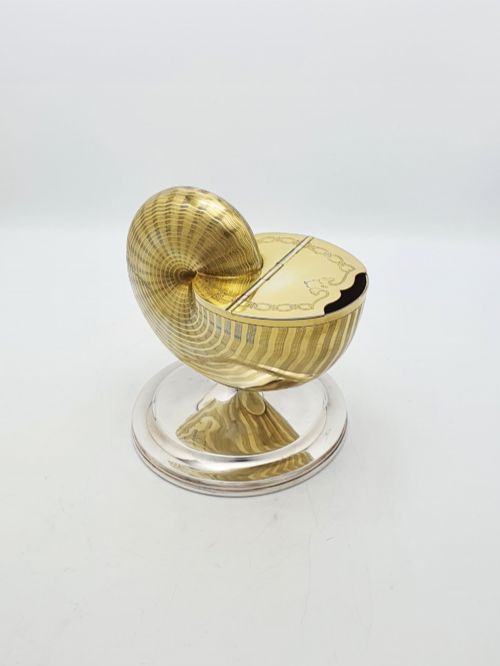
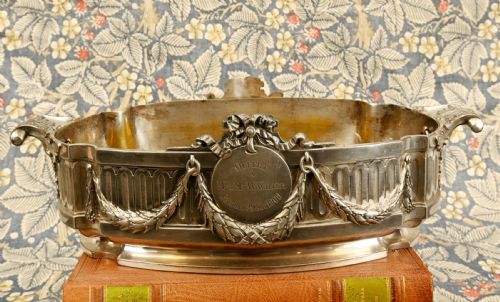
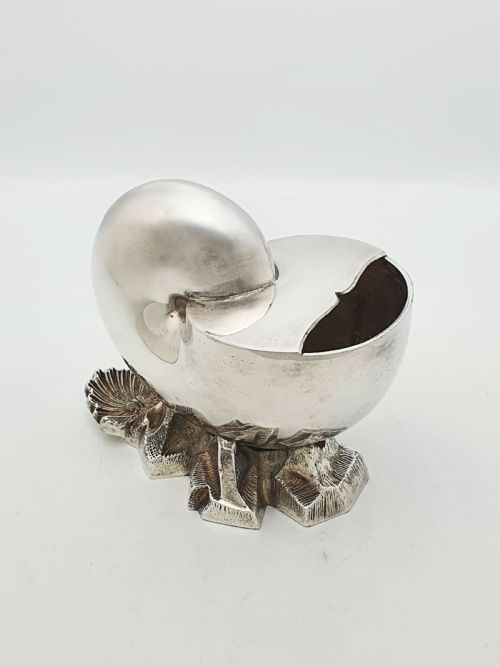
Silver Plated Vessel
These silver plated vessel pieces span the Georgian, Victorian, and Edwardian periods, offering domestic utility and table service items.
Silver Plated Vessel
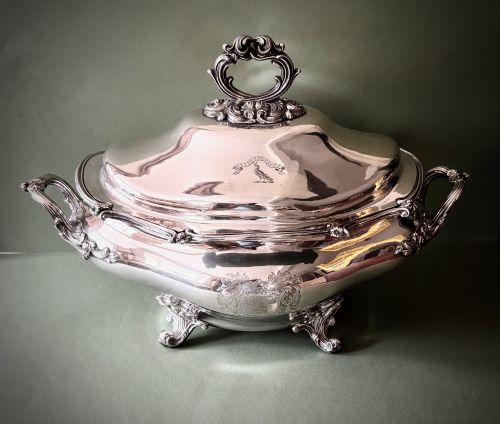
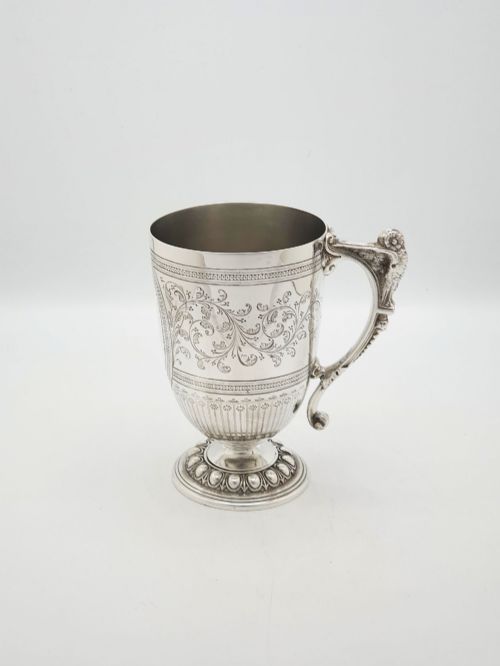
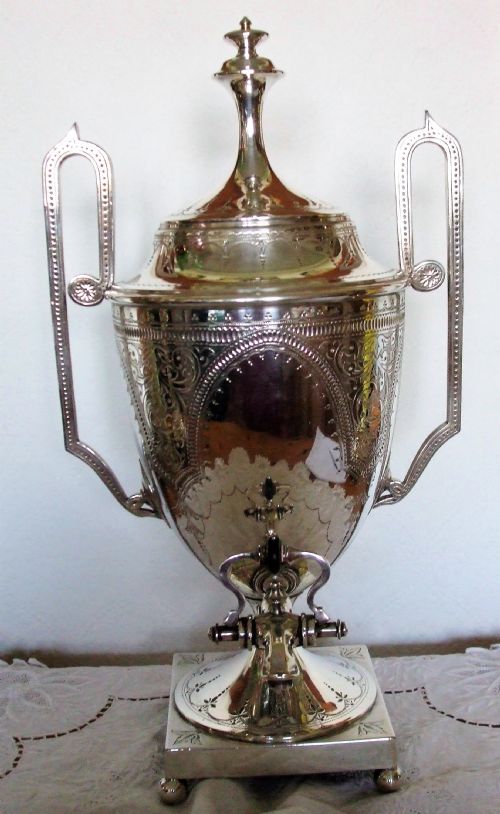
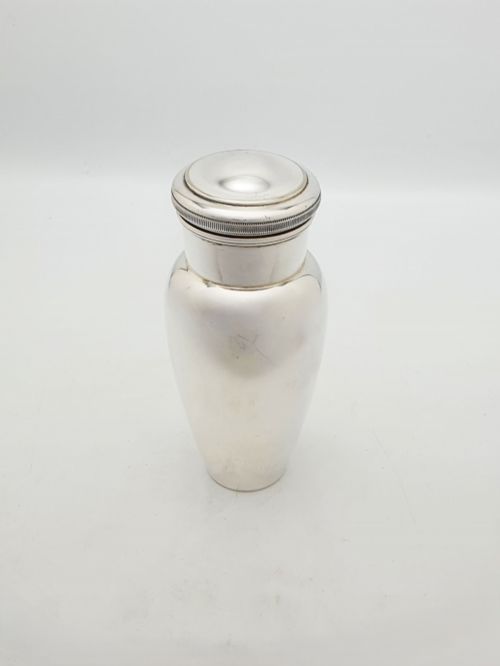
A silver plated vessel covers a wide spectrum of utilitarian and decorative forms designed for dining, drinking, and display. The selection on this page contains items originating across the 18th, 19th, and early 20th centuries, reflecting changing domestic habits.
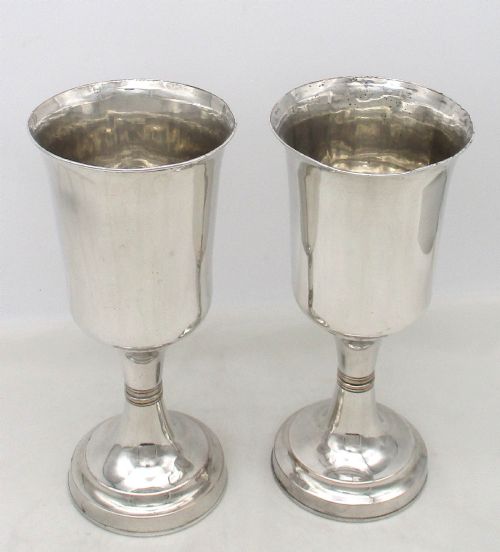
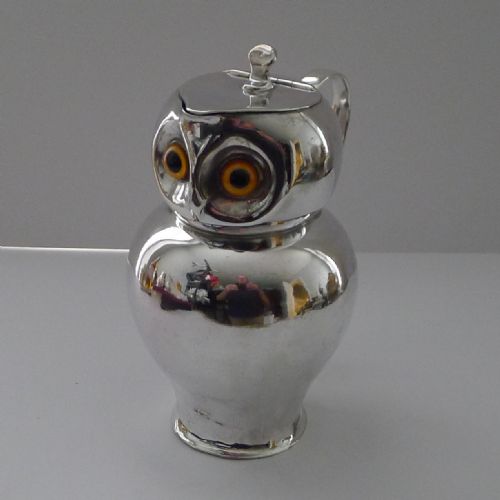
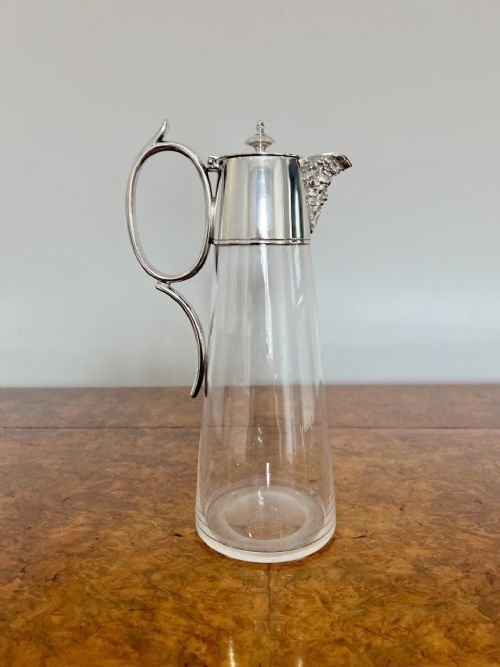
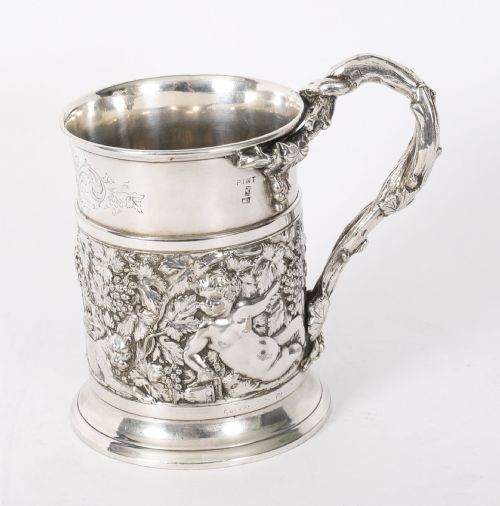
Buyers will most frequently encounter serving items such as tankards, jugs, claret jugs, and coffee pots. Alongside these sit more specialised forms including spoon warmers, argyles, and church chalices.
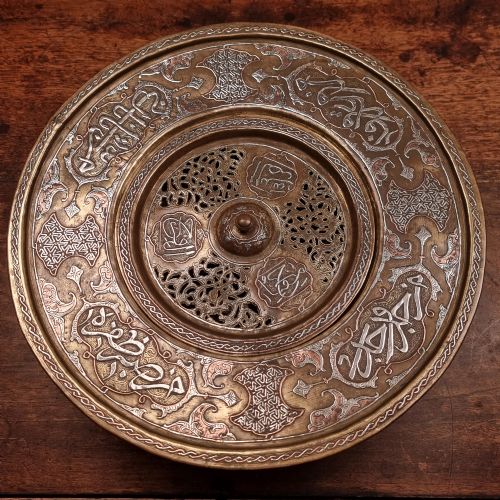
The styles range from restrained Georgian and Regency designs through elaborate Victorian Gothic and Mamluk Revival pieces to flowing Art Nouveau curves and geometric Art Deco lines. Origins stretch from English workshops to French and Islamic centres of metalwork.
How they were made
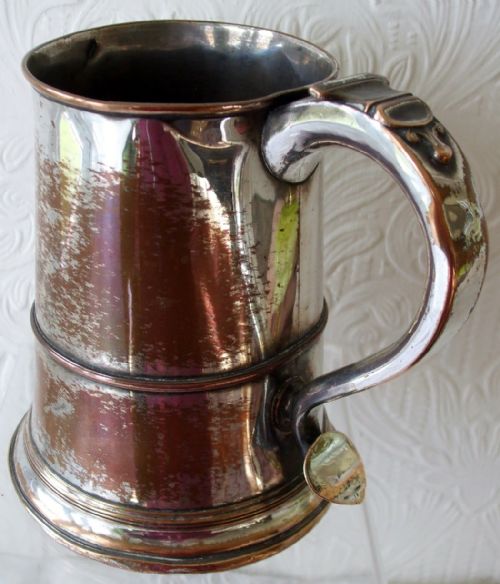
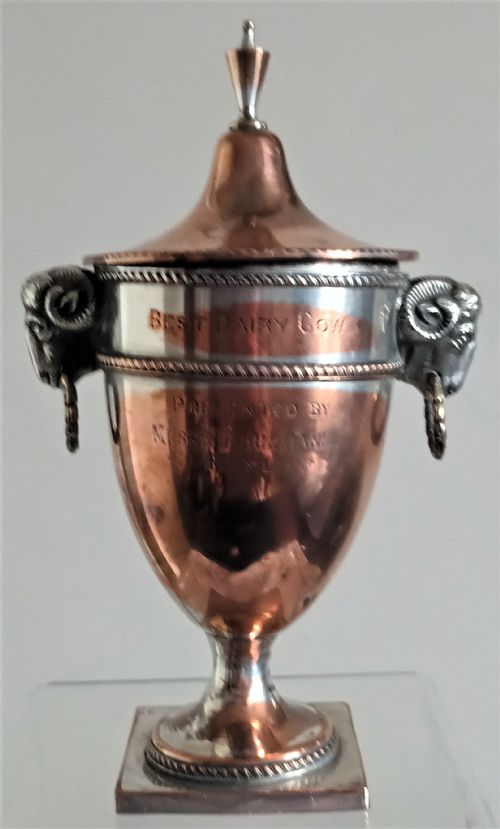
Early items rely heavily on Old Sheffield Plate, a technique fusing a sheet of silver to a thicker copper core by heat and pressure, often revealing the copper line at seams or edges. Later production shifts towards electroplating, where a layer of silver is deposited onto a base metal such as nickel silver or copper using electrical current.
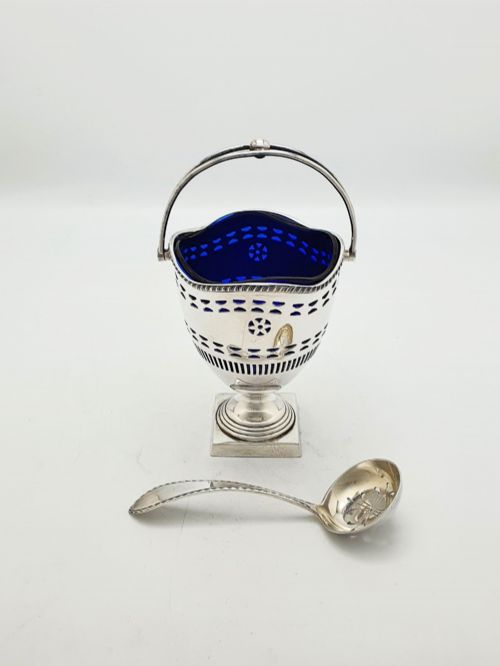
Many examples incorporate mixed media, combining metalwork with cut glass inserts, cobalt glass liners, or walnut components. Decoration involves manual processes including embossing, engraving, piercing, and silver inlay.
Listings feature items spanning the 18th century to the 1920s, incorporating base metals such as copper, nickel silver, and Old Sheffield Plate alongside glass.
What varies in quality
Quality rests upon the crispness of the chasing and engraving and the structural integrity of the base metal. Pieces that retain their original gilding internally, such as communion chalices or sugar bowls, demonstrate superior initial manufacture.
The integration of secondary materials like hand-cut glass liners or fitted wooden elements distinguishes standard utilitarian items from finer presentation pieces. Maker attribution and well-preserved plating thickness further elevate a piece.
G R Collis·Walker and Hall·Thomas Bradbury·Richard Morton·Padley Parkin and Staniforth·Mappin and Webb·Elkington Mason
The Silver Plated Vessel Glossary
- Old Sheffield Plate
- An early method of fusing silver to a copper ingot before rolling them into sheets together.
- Argyle
- A vessel designed to keep gravy warm by means of a heated water compartment surrounding the inner well.
- Spoon Warmer
- A Victorian table accessory shaped to hold spoons in hot water before use.
- Claret Jug
- A tall pitcher, frequently combining cut glass and metal mounts, utilised for serving red wine.
- Chalice
- A stemmed cup intended for sacramental use or formal service.
Silver Plated Vessel: Frequently Asked Questions
What is Old Sheffield Plate?
Old Sheffield Plate is an early composite material created by melting a thin sheet of silver onto a thick copper bar. Craftsmen then rolled the combined metals into sheets to form holloware.
This technique predates modern electroplating and produces items that often show a thin line of copper where the silver layer wears away at edges or high points.
How do I clean a silver plated vessel?
Maintenance requires mild silver cream and a soft cloth to protect the underlying plating from abrasion. Avoid harsh chemical dips that strip away the silver layer entirely.
For pieces with glass liners or wooden mounts, cleaning the components separately prevents moisture damage to organic materials.
What was an argyle used for?
An argyle is a specialised gravy or sauce pot featuring a central core or double wall designed to hold hot water. This feature prevented animal fats in rich gravies from solidifying during long meals.
Victorian dining tables relied on these vessels to maintain serving temperatures before the widespread adoption of heated ceramic dishes.
How can I date a piece?
Dating relies on stylistic clues, manufacturing techniques, and maker marks stamped into the metal. Electroplated items generally date from the mid-19th century onwards, while fused Old Sheffield Plate points to the 18th or early 19th century.
Form also guides the period, with gothic Revival and elaborate embossing pointing to the Victorian era and geometric lines indicating Art Deco.