



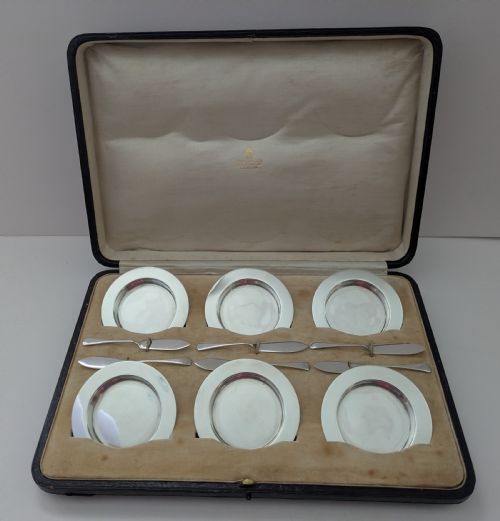
Edwardian Silver Plated Box
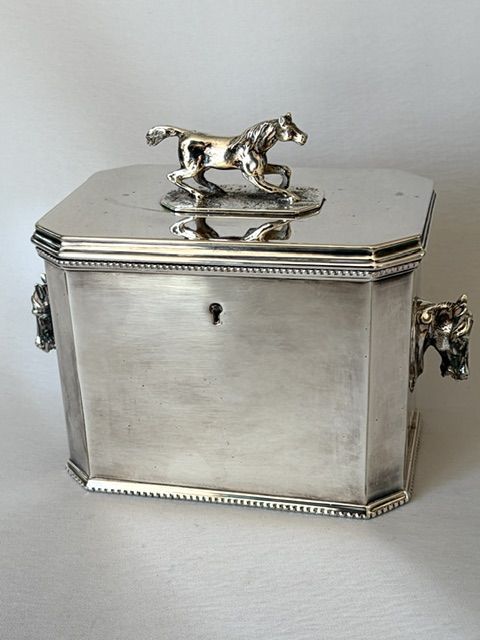
An edwardian silver plated box brings refined utility to a desk, smoking room or dining table, combining sturdy internal timber or glass with gleaming metallic mounts.
Edwardian Silver Plated Box
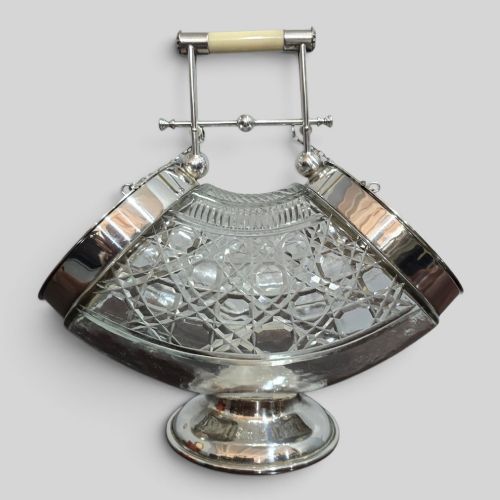
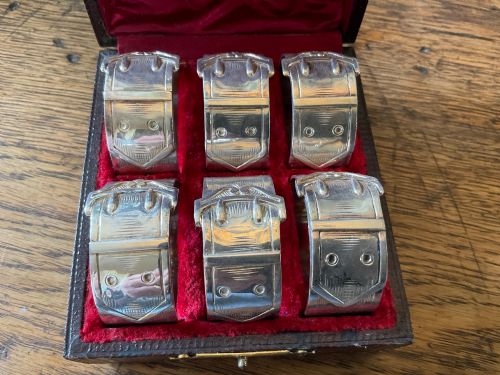
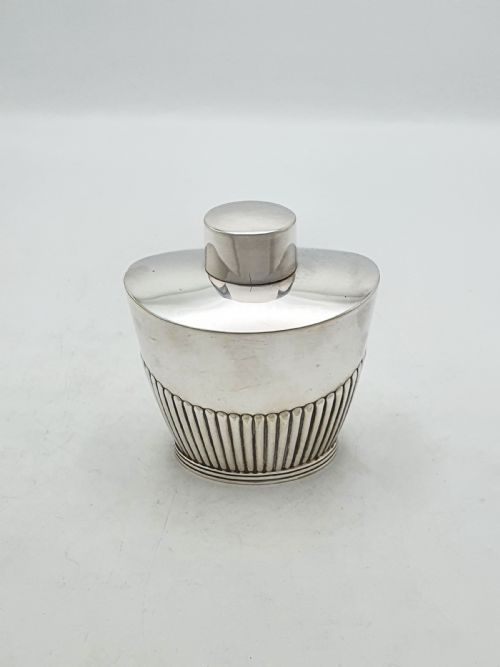
When searching for an edwardian silver plated box, a buyer encounters domestic receptacles intended for biscuits, tobacco, tea, ink or stamps, predominantly dating from the late nineteenth and early twentieth centuries.
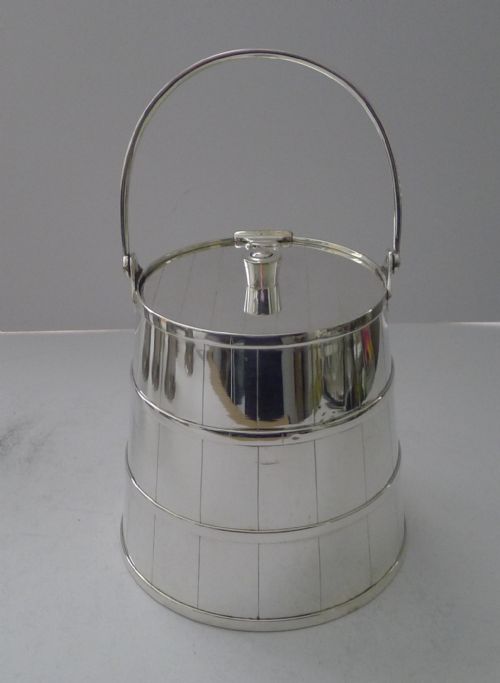
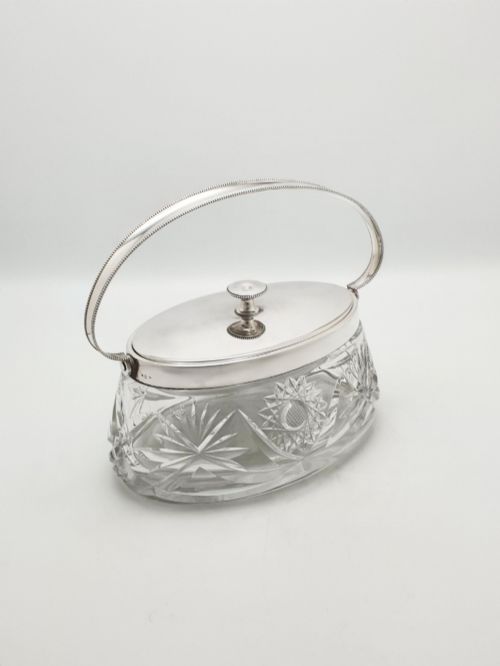
The selections span functional containers such as oak-mounted biscuit barrels with cut glass liners, lidded lunch boxes, and novelty containers shaped as weights or fire carriages.
Most examples originate from the Edwardian and late Victorian periods, though occasional Georgian Revival pieces and later Art Deco designs appear across the listings.
Materials and Construction
Makers fused silver plate onto base metals to create durable exterior mounts, hinged lids and decorative handles.
Internal vessels utilise cut glass, cranberry glass or faceted crystal, often paired with solid oak or mahogany bodies and lined with velvet.
Craftsmanship and Weight
Quality depends upon the thickness of the silver plating and the depth of the hand-cut glass or turned woodwork.
Substantial hinges, tight-fitting lids, and crisp detailing on novelty casts or pierced mounts distinguish finer pieces from standard production.
WMF·Mappin and Webb·Thomas Bradbury·Asprey and Co·Harrods·Waring and Gillows·Walker and Hall·F Cobb
The Edwardian Silver Plated Box Glossary
- Silver Plate
- A thin layer of silver bonded to a base metal core such as copper or nickel brass.
- Biscuit Barrel
- A lidded container designed to store dry biscuits or pastries on the dining table.
- Hobnail Cut
- A faceted glass pattern featuring rows of small, pyramid-shaped points.
- Tantalus
- A wooden frame holding decanters with a locking metal bar that prevents removal without a key.
- Vesta Case
- A small pocket box intended to hold matches and keep them dry.
Edwardian Silver Plated Box: Frequently Asked Questions
What were these boxes used for?
These containers served specific domestic purposes in Edwardian households, from storing dry biscuits and tobacco to holding writing ink, stamps and calling cards.
Dining rooms, smoking rooms and libraries utilised them daily to keep provisions tidy and presentable for guests.
How do I clean silver plate?
Soft cloths and mild soapy water remove dust and light grime from plated surfaces without damaging the underlying metal.
Abrasive polishes strip away the thin silver layer over time, so gentle care preserves the original finish.
Are glass liners original?
Many biscuit barrels and inkstands retain their original cut glass or cranberry glass inserts, which match the exact dimensions of the silver plated frame.
Replacements often differ slightly in weight or fail to sit flush within the metal mounts.
How do I date an Edwardian box?
Hallmarks, registration numbers and maker stamps stamped onto the silver plate help establish a precise decade of manufacture.
Stylistic cues such as Jugendstil curves or heavy oak construction also point towards the late Victorian and Edwardian eras.