
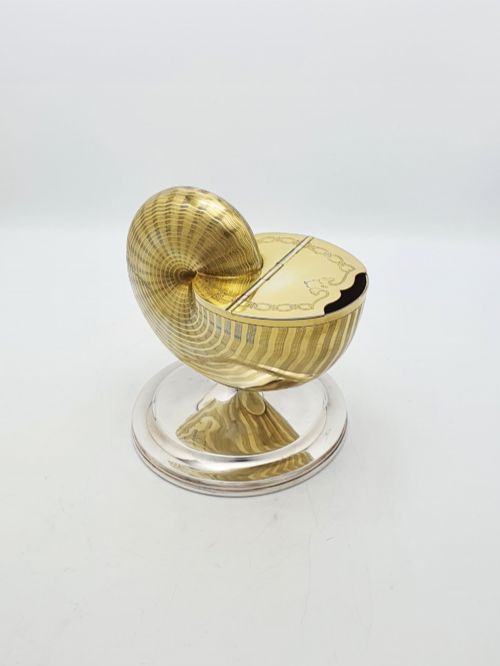


Victorian Silver Spoon Holder
These Victorian silver spoon holder pieces are characterful table accessories designed to keep cutlery warm or neatly arranged during formal dining.
Victorian Silver Spoon Holder
When you search for a Victorian silver spoon holder, you encounter a specialised range of dining table accessories spanning the latter half of the nineteenth century and into the early twentieth century. These pieces predominantly take the form of spoon warmers alongside related serveware such as egg cruet sets, mustard pots, cutlery rests, and spoon rests.
The version you are most likely to meet on this page is the silver plated spoon warmer, often modelled in whimsical shapes such as shoes, marine buoys, or sauce boats. These items date from decades including the eighteen sixties, seventies, eighties, and nineties, reflecting the Victorians' taste for novelty and refinement at the dinner table.
How they were made
Makers utilised silver plate over a metal base or solid sterling silver, frequently combining these metals with materials such as oak, glass for liners like ruby red inserts, and gilt metal details. Craftspeople shaped the metal through casting, pressing, and plating to achieve both the ornate Victorian naturalism styles and the novel figural forms.
Techniques varied between the construction of multi-piece table sets, such as four-piece egg cruet combinations incorporating timber and metal, and hollowware fabrication for thermal vessels. Artisans also applied registration marks to protect novel designs like the marine buoy shaped warmers.
Listings feature items spanning the eighteen sixties to nineteen hundreds, including silver plate, solid sterling silver, oak, and glass.
What varies in quality
The distinction between tiers rests upon the complexity of the design and the integrity of the materials, separating standard production items from ambitious novelty pieces. Heavily cast figural models, such as marine buoys or shoes with crisp registration marks, demonstrate a higher degree of sculptural ambition than simpler vessels.
Material application also defines the grade of a piece, where solid sterling silver items marked with regional hallmarks, such as those from Edinburgh, differ fundamentally from silver plated metal alloy wares. The survival of original coloured glass inserts, like ruby red liners, contributes to the completeness of cruet sets and mustard pots.
The Victorian Silver Spoon Holder Glossary
- Silver Plate
- A thin layer of silver bonded to a base metal alloy. This technique allowed manufacturers to produce elaborate tableware at a lower cost than solid silver.
- Sterling Silver
- A standard alloy consisting of ninety-two point five percent silver and seven point five percent other metals. It is hallmarked to denote purity and origin.
- Gilt Metal
- Metal that has been given a thin coating of gold applied to its surface. This finish provides a warm, contrasting colour to the underlying silver or plate.
- Cruet Set
- A matched collection of bottles, jars, or cups held within a frame for condiments or eggs at the table. They frequently combine silver plate and oak.
- Victorian Naturalism
- A design style drawing inspiration from organic forms and nature. It appears on tableware accessories through plant and animal motifs.
Victorian Silver Spoon Holder: Frequently Asked Questions
What is a Victorian spoon warmer?
A Victorian spoon warmer is a specialised vessel designed to hold hot water, keeping spoons warm before serving soup or dessert. These pieces often took whimsical or naturalistic forms to amuse diners.
They sit on the dining table or sideboard as part of formal nineteenth century table settings, combining practical utility with decorative novelty.
How do you use an egg cruet set?
An egg cruet set holds boiled eggs alongside compartments for salt, pepper, and spoons. The frame typically organises these breakfast items into a single portable unit.
Placing the set on the breakfast table allowed guests to serve themselves condiments while keeping their boiled eggs secure in individual cups.
What are cutlery rests used for?
Cutlery rests elevate knives and forks above the tablecloth between courses. This practice kept linens clean and prevented different flavours from transferring.
These small supports were placed beside each setting, often cast in solid silver or silver plate with naturalistic motifs.
How do you identify a Victorian mustard pot?
A Victorian mustard pot is a small lidded vessel designed to hold prepared mustard, usually accompanied by a tiny spoon. Many examples feature a coloured glass liner, such as ruby red.
The glass insert protected the metal body from the corrosive properties of mustard, and these pots often sat alongside cruet sets on the dining table.