


Silver Plate Spoon Warmer
A silver plate spoon warmer brought elegance and warmth to Victorian dining tables, and these eccentric novelty forms remain brilliant conversation pieces today.
Silver Plate Spoon Warmer
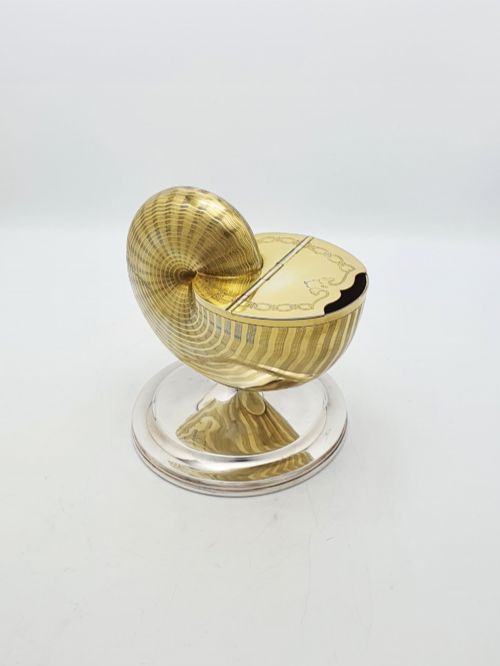
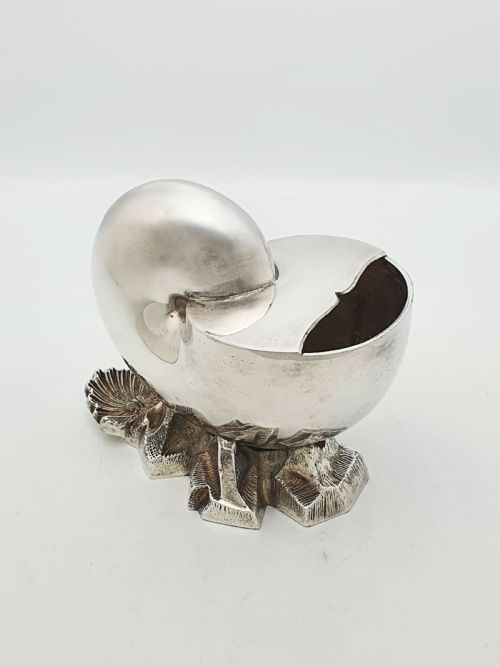
A silver plate spoon warmer is a dedicated dining accessory designed to keep ladle and spoon bowls warm during formal meals. The most common form seen on this page is the shell shape, with nautilus, conch, clam and whelk examples appearing frequently alongside novelty marine buoy and shoe designs.
These items originate predominantly from the Victorian period, spanning decades from the 1860s through to the early 20th century. Alongside realistic mollusc shells, makers produced sauce boat shapes and marine objects that reflect the era's fascination with novelty tableware accessories.
Materials and construction
Makers utilised silver plate, electroplated nickel silver and standard metal alloys to produce these table accessories. The base metal provides structural strength for complex hollow forms while the silver plating delivers a bright reflective finish.
Gilt metal accents occasionally appear inside the vessels or on decorative details, adding contrast to the exterior silver. Construction methods involve casting, shaping and soldering distinct elements such as internal hot water tanks and hinged lids.
Assessing quality and craftsmanship
Quality in a silver plate spoon warmer rests on the crispness of the chasing and modelling, particularly on shell ridges and novelty details like laces on shoe forms or rivets on marine buoys. Superior pieces retain their original interior gilding and operate with well-fitted, sturdy hinged components.
Maker attribution also distinguishes examples, with established silversmiths executing cleaner lines and heavier gauges of metal. Pieces retaining clear manufacturer marks and registration numbers demonstrate superior pedigree.
Christopher Dresser·Atkin Brothers·William Hutton and Son·Roberts and Belk·Henry Wilkinson and Co·Walker and Hall·Thomas Latham and Ernest Morton·Hukin and Heath
The Silver Plate Spoon Warmer Glossary
- EPNS
- Electroplated Nickel Silver. A base alloy of copper, nickel and zinc coated with a layer of pure silver.
- Novelty tableware
- Functional dining items fashioned into amusing or unusual non-traditional shapes such as shoes, shells or buoys.
- Registration mark
- A diamond-shaped stamp used by the British Patent Office between 1842 and 1883 to record the exact date a design was registered.
Silver Plate Spoon Warmer: Frequently Asked Questions
How did a silver plate spoon warmer work?
These vessels typically contained an internal hot water tank filled through a small aperture to heat the spoons resting inside. The warmed metal prevented cold spoons from chilling gravies and sauces during multi-course meals.
Users placed silver spoons bowl-down into the opening so the handles protruded for easy guest selection at the dining table.
What periods do these spoon warmers date from?
The examples available here belong to the Victorian era and the Edwardian period, spanning from the 1860s to the early 1900s. Design styles shifted from naturalistic marine shells toward whimsical novelty shapes.
Exact dating often relies on stamped registry marks or maker hallmarks rather than stylistic assumptions alone.
How should I clean silver plated items?
Clean silver plate gently using a specialist liquid polish and a soft cloth to protect the thin silver layer over the base metal. Avoid abrasive cloths or harsh chemical dips that strip the underlying plating.
Regular dusting and careful hand washing keep the reflective finish bright without wearing away historical detail.
Can I use a spoon warmer at the dining table?
These pieces function wonderfully as decorative centrepieces or functional vessels for serving cutlery at dinner parties. Many retain watertight internal compartments if you wish to fill them with warm water.
Ensure older soldered joints are checked before introducing hot water to prevent unexpected leaks onto polished surfaces.