


Antique Silver Spoon Vessel
These antique silver spoon vessel examples bring Victorian and Edwardian dining tables to life through practical serving pieces and novelties.
Antique Silver Spoon Vessel
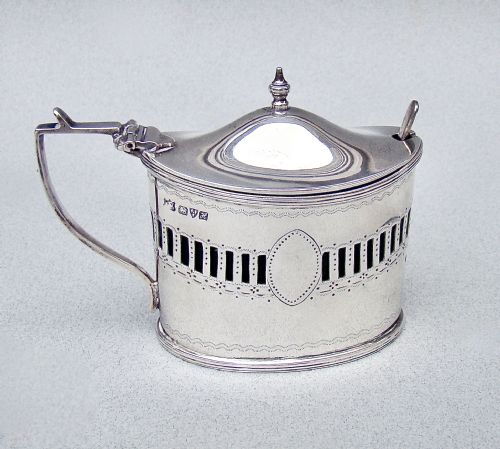
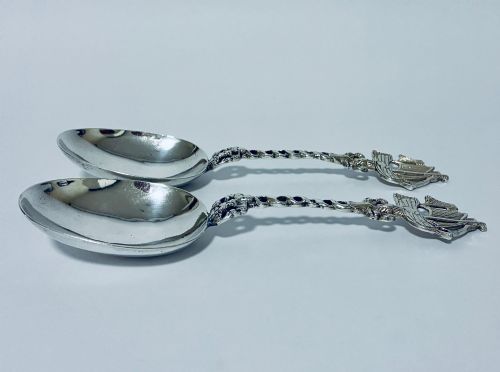
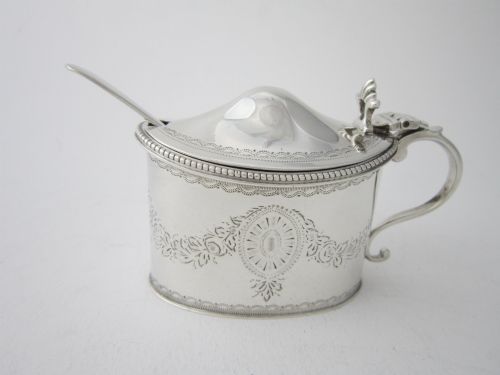
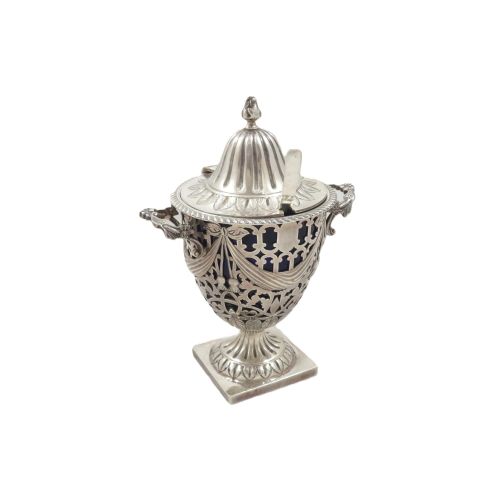
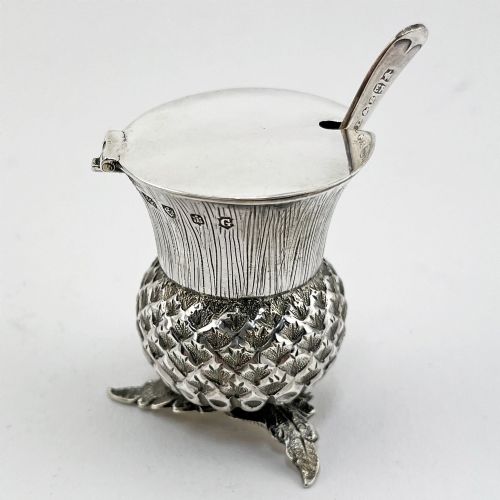
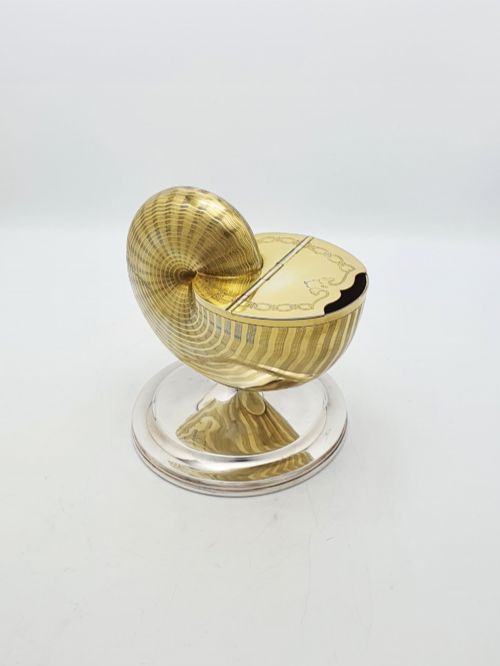
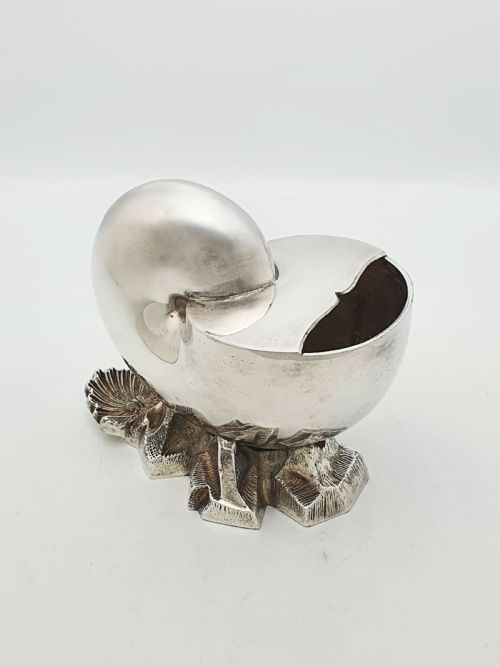
When you search for an antique silver spoon vessel, you encounter a specialised group of dining table accessories spanning the Victorian and Edwardian periods. These objects primarily include spoon warmers shaped as nautilus shells, marine buoys, shoes, and sauce boats, alongside mustard pots and preserve jars.
The pieces you meet most often on this page date from the mid-nineteenth century through the early twentieth century, reflecting the tastes of Victorian and Edwardian households. Makers fashioned these items to serve specific functions at the dining table, such as keeping ladles warm or holding condiments.
Examples range from utilitarian condiment containers to novelty spoon warmers designed to amuse dinner guests. The selection captures both traditional forms and whimsical Scottish or Dutch regional revivals.
Materials and construction methods
Silversmiths constructed these vessels using sterling silver and silver plate over base metals, often incorporating cut glass, cobalt glass liners, and gilt metal details. Many pieces utilise silver-gilt interiors to protect the metal from acidic condiments like mustard.
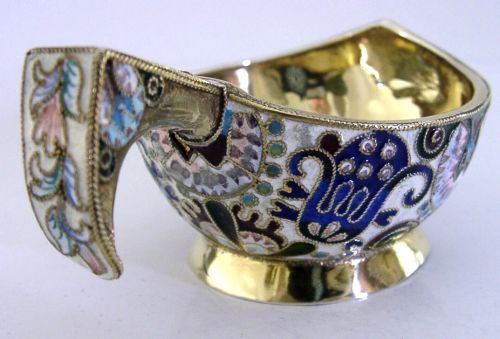
Techniques such as cloisonne enamel embellish specific items like kovsh cups, adding vibrant colour to solid silver bodies. Cast and chased details define the Victorian mustard pots, featuring motifs ranging from floral patterns to cherubs and birds.
Dinner guests in the eighteen-eighties relied on hollow ceramic or plated shells to keep their gravy ladles from going cold.
Factors determining quality
Quality in these vessels depends upon the crispness of the chased decoration, the weight of the metal, and the originality of glass liners. Heavier sterling silver examples with clear hallmarks demonstrate superior manufacturing standards compared to simpler plated wares.
Novelty items derive their distinction from the precision of their sculptural form, whether shaped as a marine buoy, a nautilus shell, or a thistle. The integration of maker marks and legible date letters further elevates the standing of a piece.
Alfred Marston·Charles Stuart Harris·Omar Ramsden
The Antique Silver Spoon Vessel Glossary
- Sterling silver
- A silver alloy containing 92.5 percent pure silver and 7.5 percent other metals, usually copper. This standard composition appears frequently across Victorian and Edwardian tablewares.
- Silver plate
- A base metal coated with a thin layer of silver, commonly utilised for Victorian novelty spoon warmers. EPNS stands for electroplated nickel silver.
- Silver-gilt
- Silver that has been coated with a thin layer of gold on its surface. This technique provides a rich interior finish for mustard pots and decorative cups.
- Cloisonne enamel
- A decorative technique where enamel paste is applied within compartments enclosed by thin metal strips. This method creates colourful patterns on metal vessels.
- Nautilus shell
- A marine mollusc shell frequently replicated by Victorian silversmiths for novelty spoon warmers. These pieces often feature silver-plated mounts and detailed textures.
Antique Silver Spoon Vessel: Frequently Asked Questions
What is a spoon warmer?
A spoon warmer is a Victorian table accessory designed to hold hot water, which kept serving spoons warm so they did not chill the gravy or sauces.
Victorian hosts placed these vessels on the sideboard during formal meals, often choosing whimsical shapes like marine buoys, shells, or shoes to spark conversation.
How do I date a silver mustard pot?
You date a silver mustard pot by examining the hallmarks stamped into the metal, which include town marks, maker initials, and date letters corresponding to specific years.
Comparing these punches against historical hallmarking records reveals the exact assay office and year of production for Victorian and Edwardian pieces.
Are glass liners original?
Glass liners are often original to mustard pots and preserve jars, though many suffered damage and were replaced over the decades of use.
Cobalt blue and clear cut glass inserts designed to fit snugly inside the silver frame indicate high authenticity and careful preservation.
How do I care for silver condiments?
Silver condiments require gentle cleaning with a specialised silver cloth to remove tarnish without wearing down the underlying metal or plating.
Wash glass liners separately in warm soapy water and ensure all mustard or preserve residues are removed promptly after use to protect the interior surface.