

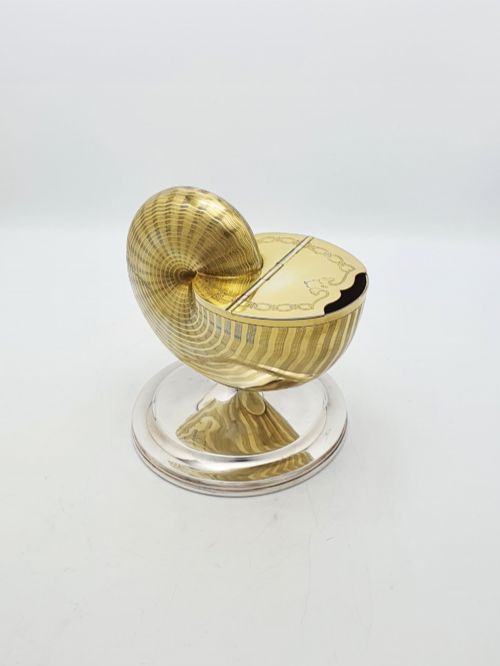


Silver Metal Table Novelty
A silver metal table novelty brings wit and functional theatre to a room, turning everyday dining and desk accessories into conversation pieces.
Silver Metal Table Novelty
A silver metal table novelty encompasses whimsical functional objects designed for the dining table, sideboard or desk, capturing Victorian and later tastes for amusing utility. When you search for this phrase, you find items that double as practical wares and sculptural jokes, ranging from domestic animals to marine equipment.
The versions most frequently met on this page include novelty spoon warmers modelled as marine buoys or shoes, alongside animal pepperettes and mechanical desk bells. These pieces bridge the gap between heavy utility and light-hearted display, reflecting period fascination with clever mechanics and natural forms.
Originating largely from the nineteenth and early twentieth centuries, these items span periods from the eighteen-sixties through to Art Deco and Hollywood Regency aesthetics. Their primary role was to amuse dinner guests or lighten solemn Victorian rituals with ingenious domestic machinery.
Materials and construction
The construction relies heavily on silver plate over base metals, pewter, and cast brass, often enriched with gilt metal or polished finishes to heighten the visual impact. Makers utilised plating techniques to achieve the lustre of solid silver while maintaining the malleability needed for complex sculptural modelling.
Organic materials also appear alongside metalwork, as seen in carved wood components paired with metal gongs in Black Forest pieces. Casting and detailed hand-chiselling allowed artisans to render fur, feathers, and mechanical joints with convincing realism.
Silver Metal Table Novelty Retail Price Guide 2026
Typical asking prices for silver metal table novelty among the pieces listed under this phrase on Sellingantiques today, from the lower quarter to the upper quarter. They describe what is for sale here now, not the wider market.
Listings feature periods from eighteen-sixty through to nineteen-fifty, alongside materials including silver plate, pewter, brass, and glass.
Factors of quality and execution
Quality in these objects rests upon the crispness of the casting and the ingenuity of any mechanical action, such as the smooth strike of a desk bell or the secure hinge of a spoon warmer. Superior examples maintain fine sculptural detail in the rendering of animals or architectural forms without losing their functional purpose.
The integrity of the surface finish, whether silver plate, gilt metal, or polished pewter, dictates visual success. Wear that softens the primary contours diminishes the charm, whereas well-preserved plating and crisp definition separate finer workshop output from simpler commercial production.
The Silver Metal Table Novelty Glossary
- Silver Plate
- A thin layer of silver bonded to a base metal core, such as copper or brass. This technique allowed manufacturers to produce substantial decorative objects at a fraction of the cost of solid silver.
- Pepperette
- A small container for ground pepper, often fashioned into amusing animal or figural shapes during the Victorian period. They usually feature perforated lids for shaking.
- Gilt Metal
- Metal coated with a thin layer of gold or gold-coloured wash to impart a rich, warm tone. It was frequently used to highlight interior details or contrasting elements on novelty tablewares.
- Spoon Warmer
- A specialised Victorian vessel designed to hold hot water and keep table spoons warm before serving soup or gravy. They were frequently cast in fanciful shapes like marine buoys, shoes, or shells.
- Black Forest
- A style of intricate wood carving originating from the mountainous region of Central Europe. Pieces often depict woodland animals with glass eyes and high realism, sometimes incorporating metal gongs.
Silver Metal Table Novelty: Frequently Asked Questions
What is a silver metal table novelty?
It is a decorative, functional object designed for the dining table or desk that combines utility with a humorous or unusual sculptural form.
These pieces were conversation starters during formal meals, taking shapes like animals, boots, or marine buoys while serving a practical purpose.
How were spoon warmers used?
Victorian dining customs required soup spoons to be warmed before use so they did not cool the soup.
Hot water was poured inside the vessel, and spoons were placed in the opening until needed for service.
How do I identify period pieces?
Look for construction methods, registration marks, and stylistic clues that point to nineteenth or early twentieth-century manufacturing techniques.
Patination on the base metal and the quality of the silver plating often indicate the age and origin of the object.
Are these novelties still functional?
Many retain their original mechanical or practical function, such as desk bells, pepper pots, and table gongs that still ring.
Collectors generally display them as decorative art, but their moving parts often remain operational with careful handling.
What materials are common?
Silver plate over a base metal is the most frequent material, often accompanied by pewter, brass, and gilt highlights.
Some unusual examples incorporate carved wood or glass alongside the metal components to create texture and contrast.