

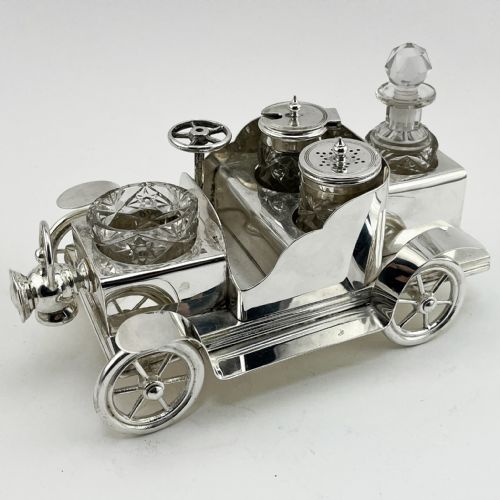


Victorian Novelty Silver Plate
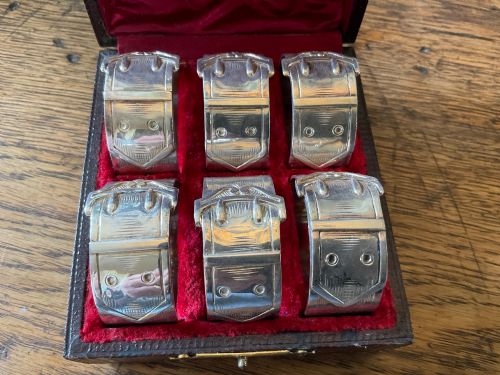
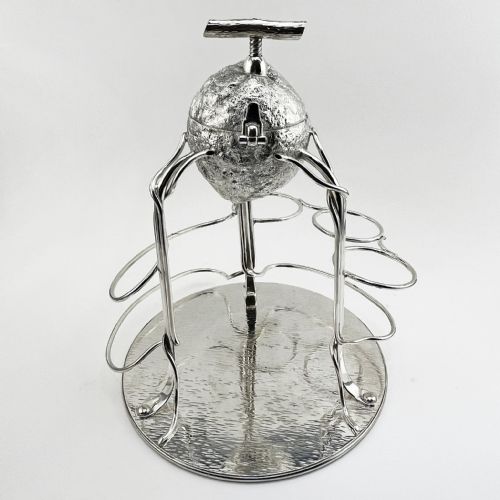
Victorian novelty silver plate encompasses witty, functional dining table accessories and desk objects shaped as animals, vehicles, and everyday items.
Victorian Novelty Silver Plate
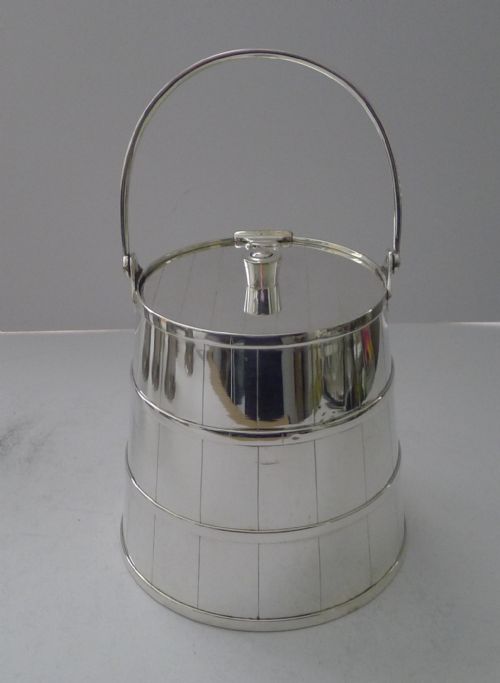
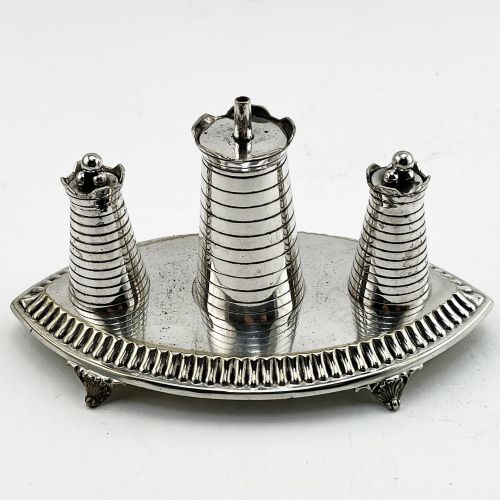
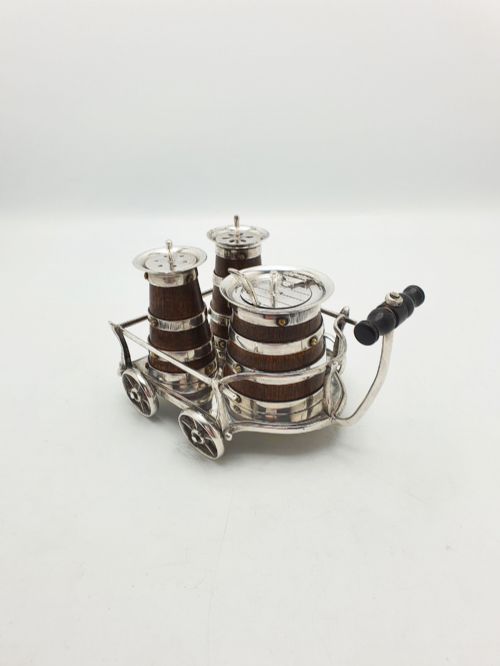
When browsing Victorian novelty silver plate, collectors encounter an imaginative array of functional items transformed into animals, vehicles, and unusual inanimate objects. These include cruet sets styled as farmyard animals or carriages, biscuit barrels taking the form of weights or wooden casks, and shell-shaped spoon warmers.
The objects stem predominantly from the Victorian and Edwardian eras, spanning the mid-nineteenth century into the early twentieth century. Makers used inventive design to add humour and talking points to domestic dining tables, desks, and bars.
Cruet sets, spoon warmers, biscuit barrels, and table lighters dominate the selection. These functional forms showcase the period's taste for theatrical presentation alongside utilitarian purpose.
How they were made
Silversmiths applied silver plating onto base metals such as brass, nickel silver, and white metal, often combining the metalwork with natural materials like oak, walnut, horn, and cut glass. This mixed-media approach gave structures like wooden barrels, glass decanters, and shell bodies a robust framework.
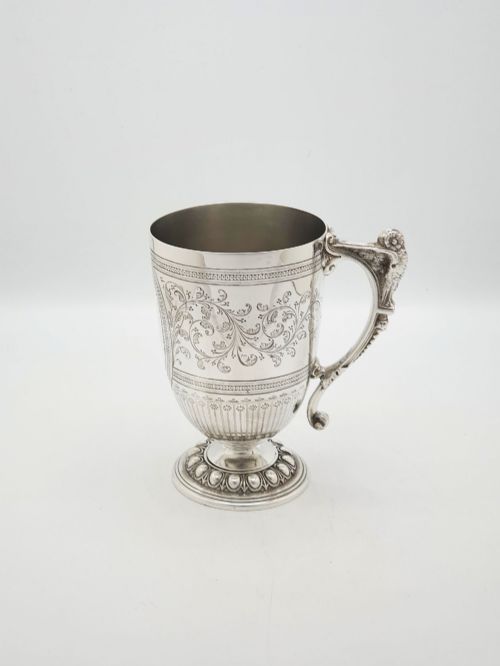
Techniques included casting figural elements - such as owls, dogs, donkeys, and human portraits - alongside hand-engraving and wirework stands. Interiors of items like biscuit boxes and spirit barrels frequently utilised glass inserts or gilt finishes to protect the metal from contents.
Listings demonstrate that Victorian novelty silver plate frequently combined silver plate with natural oak, walnut, cut glass, and horn.
What varies in quality
Quality rests heavily on the crispness of the casting and the ingenuity of the mechanical design, separating mass-produced novelty wares from exceptional sculptural works. Pieces that retain their original gilt interiors, matching cut glass inserts, and fully functioning hinged mechanisms command greater attention.
The reputation of the maker also dictates distinction, with identified pieces from notable workshops displaying superior heft, thicker plating layers, and more naturalistic detailing in animal or architectural subjects.
Hukin & Heath·Mappin & Webb·Atkin Brothers·Elkington
The Victorian Novelty Silver Plate Glossary
- Silver Plate
- A layer of silver fused or electroplated onto a base metal core such as copper, nickel silver, or brass. This technique allowed Victorian manufacturers to produce large, decorative items at a lower cost than solid silver.
- EPNS
- Electroplated Nickel Silver. A common base metal composition for Victorian tableware upon which a durable coating of silver was electrically deposited.
- Cruet Set
- A matched set of small bottles, jars, or castors for holding condiments like oil, vinegar, salt, pepper, and mustard. Novelty versions often placed these containers inside models of animal carts, farmyard scenes, or architectural models.
- Spoon Warmer
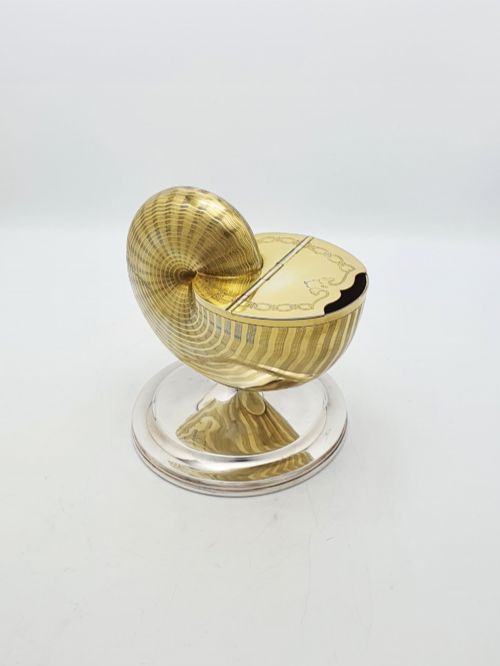
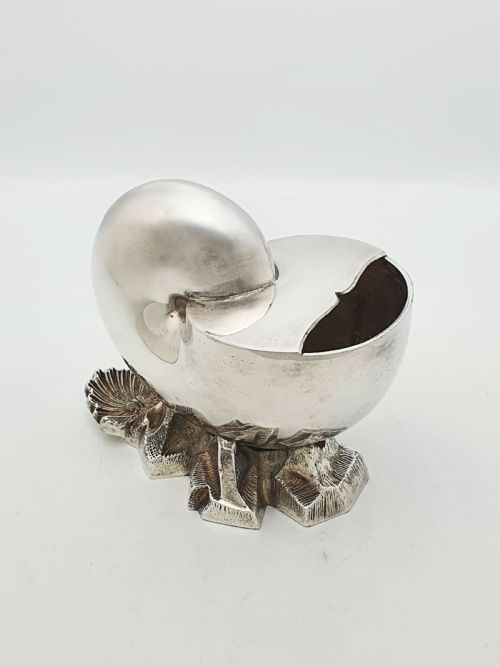
- A Victorian vessel designed to hold hot water and keep dining spoons warm for the consumption of thick soups. They were frequently modelled as nautilus shells, conch shells, or shoes.
- Vesta Case
- A small pocket box with a textured striking surface on the base, designed for holding matches. Victorian examples incorporated figural designs, portraits, and whimsical animal shapes.
Victorian Novelty Silver Plate: Frequently Asked Questions
What were silver plated spoon warmers used for?
Spoon warmers held hot water at the dining table to keep soup spoons warm before the first course was served. They ensured diners did not experience a cold spoon when eating hot broth.
Victorian hosts favoured novelty shapes such as sea shells, animal hooves, or boots, turning a purely practical dining accessory into a conversation piece.
How do you clean antique silver plate?
Antique silver plate requires gentle cleaning with a specialist non-abrasive silver polish and a soft cloth to protect the underlying metal layer from wearing through to the base brass or nickel. Harsh scrubbing will strip the thin plating entirely.
Water should be kept away from wooden components like oak barrels or horn handles during the cleaning process to prevent warping or cracking.
Are novelty cruet sets missing their original bottles?
Many surviving cruet sets have lost some or all of their original cut glass bottles or condiment spoons over the decades of use and domestic movement. Replacements are often sourced to match the period style and dimensions of the specific figural stand.
Complete sets featuring all original matched bottles and stoppers are considerably scarcer and more desirable to collectors.
How can I date Victorian novelty silver plate?
Dating relies on registration marks stamped into the metal, maker's marks, and stylistic clues from the manufacturing period. British design diamond registration marks can pinpoint the exact day and year an item's design was officially registered.
Stylistic shifts between mid-Victorian naturalism, late Victorian whimsy, and Edwardian refinement also provide reliable chronological boundaries.