
Vintage Silver Napkin Ring
A vintage silver napkin ring brings a touch of tailored elegance to the dining table, combining practical utility with lasting metalwork.
Vintage Silver Napkin Ring
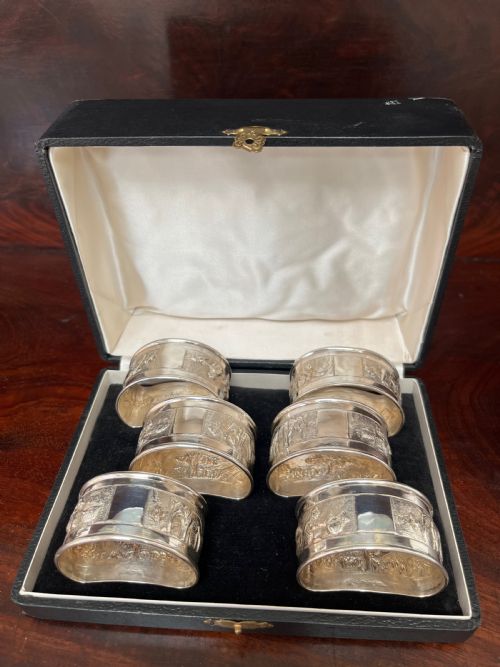
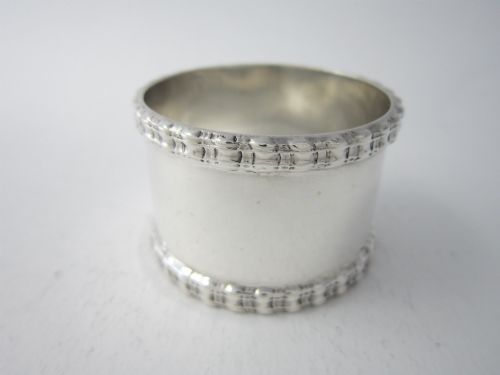
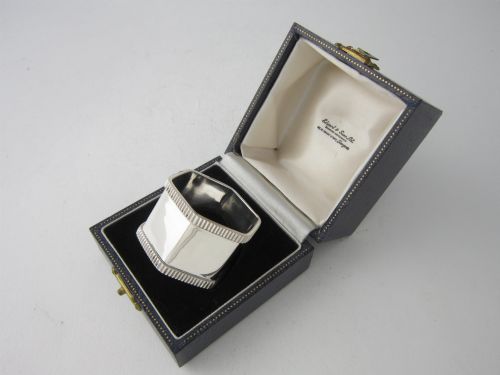
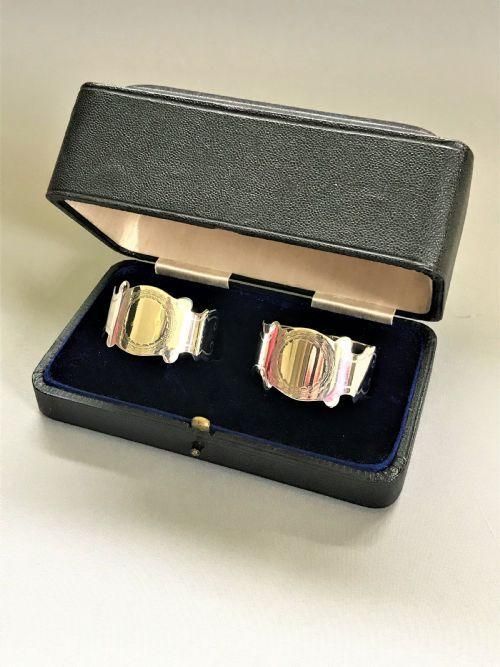
A vintage silver napkin ring serves to identify individual table linens at family meals and formal dinners alike. The pieces collected under this search phrase span from the late Victorian and Edwardian eras through the George V period and into mid-century modern design. Buyers encounter individual items, matched pairs, and full cased sets often accompanied by original fitted presentation boxes lined in silk, velvet, or leatherette.
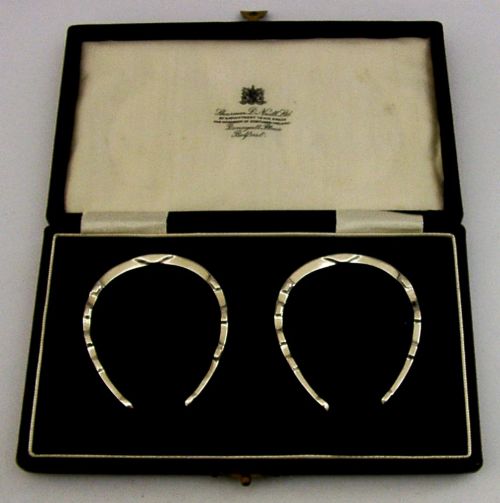
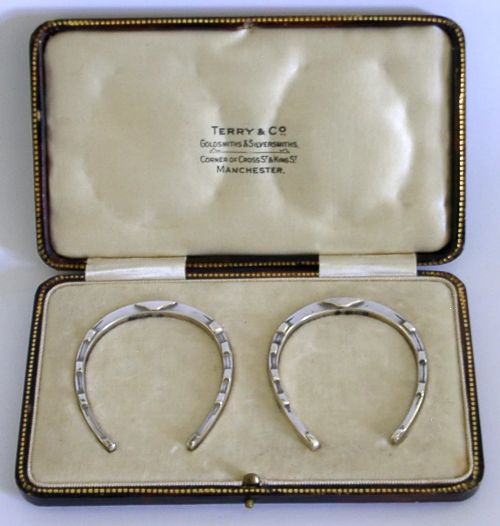
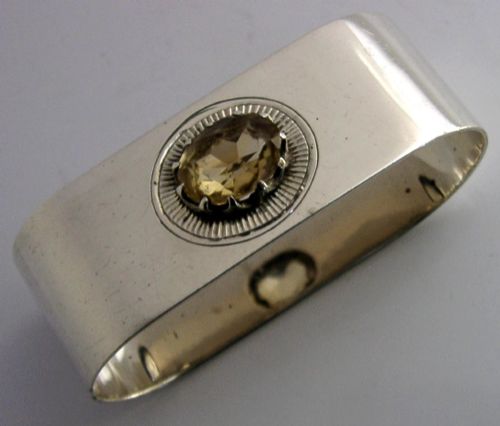
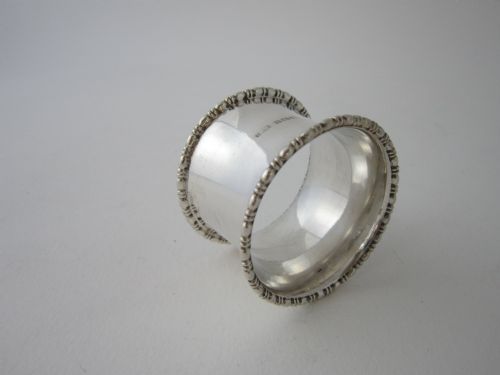
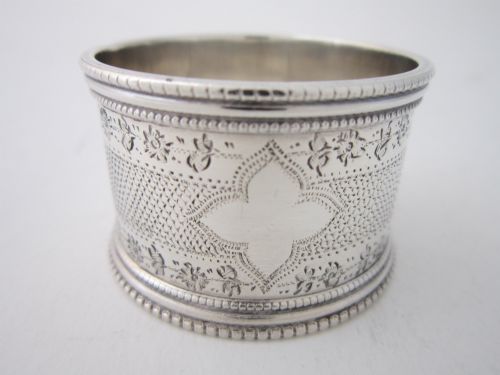
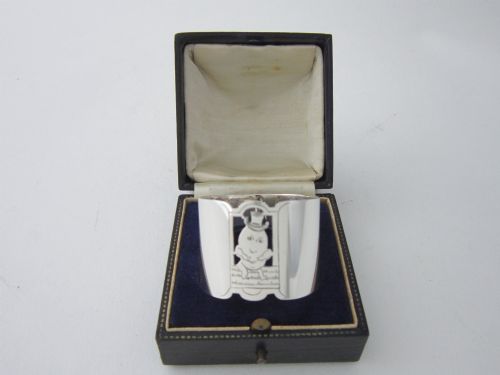
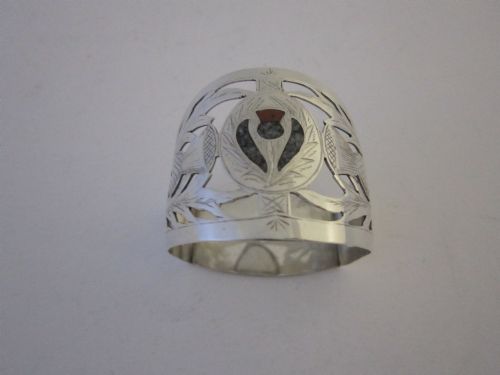
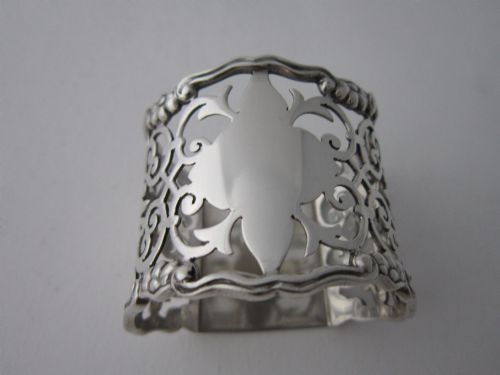
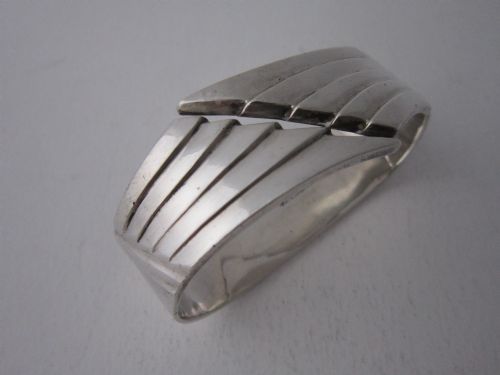
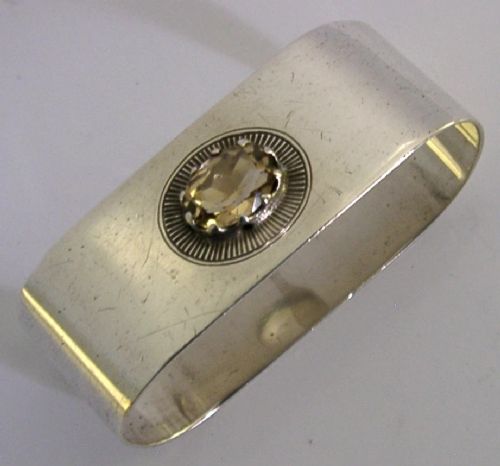
Forms range from plain circular bands and heavy engraved cylinders to novelty designs shaped as horse shoes, stirrups, belt buckles, and hearts. Makers also produced examples incorporating gemstones such as citrine and agate, alongside reticulated and pierced decorative motifs. These functional table accessories reflect changing domestic habits across the twentieth century, shifting from elaborate Victorian dining rituals to streamlined mid-century aesthetics.
Materials and methods of construction
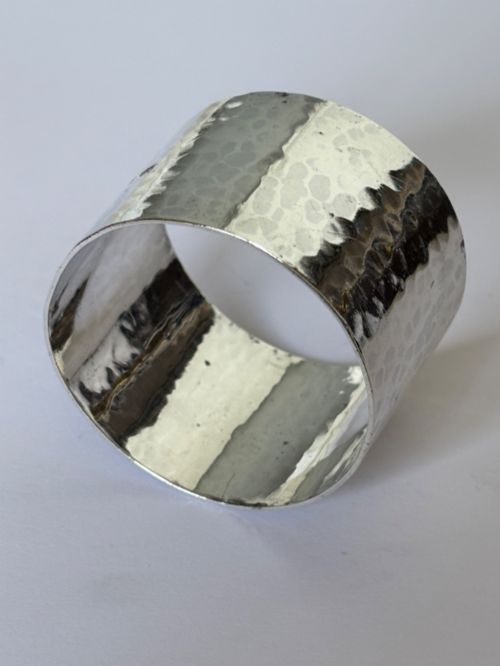
Silversmiths utilised solid sterling silver and silver plate as the primary metals for these table items, occasionally incorporating silver gilt and continental standards such as eight hundred grade silver. Decorative elements frequently involved hand hammering, enamelling, and stone setting to add texture and colour to the metal surface. Boxed sets often included fitted linings made from silk, velvet, and leatherette within protective cases.
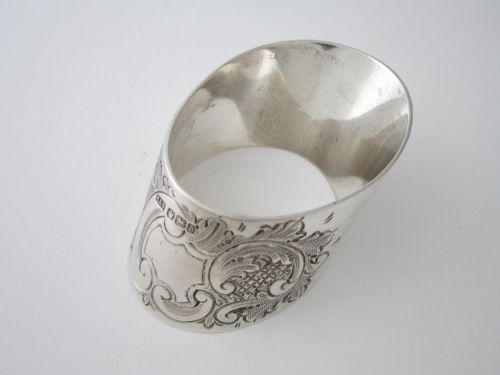
Construction techniques combined traditional smithing methods like piercing and chasing with structural forming for novelty shapes including horse shoes and belts. Workshops applied maker marks, date letters, and assay office symbols directly onto the metal bands. These stamped hallmarks provide definitive evidence of origin and production year for each piece.
Distinctions in manufacture and finish
The distinction between standard production items and finer examples rests upon the weight of the metal and the crispness of the hand-applied decoration. Heavier gauge sterling silver provides greater durability and a substantial feel in the hand compared to thinner silver plate or lighter stampings. Superior pieces display precise chasing, clean piercing work, and securely mounted stones rather than superficial surface etching.
Presentation also influences the overall character of a piece, with surviving original fitted boxes lined in silk or velvet indicating higher original retail tiers. The clarity and completeness of hallmarks contribute to the documentary interest of an item. Maker attribution to notable workshops adds a distinct layer of craftsmanship to the finished design.
Albert Edward Jones·C. T. Burrows & Sons·Georg Jensen·Hermes Paris·Liberty & Co·Mappin & Webb·Cartier·Tiffany & Co·R. E. Stone
The Vintage Silver Napkin Ring Glossary
- Sterling silver
- A silver alloy containing 92.5 percent pure silver by mass and 7.5 percent other metals, usually copper. This standard ensures structural durability for domestic table items.
- Silver plate
- A base metal such as copper or nickel alloy covered with a thin layer of pure silver. This technique offered an accessible alternative to solid silver tablewares.
- Hallmark
- A series of official marks stamped on precious metal items in the United Kingdom. These symbols indicate the maker, the assay office, the purity standard, and the year of production.
- Reticulated
- Metalwork that has been pierced or open-worked to create an ornamental lattice pattern. This decorative technique lightens the visual weight of the band.
- Silver gilt
- Sterling silver that has been coated with a thin layer of gold on its surface. This process creates a warm dual-tone finish.
Vintage Silver Napkin Ring: Frequently Asked Questions
How do I clean tarnished silver napkin rings?
Use a specialised silver polish and a soft microfiber cloth to gently remove tarnish from the surface of the metal. Avoid abrasive materials that can scratch engraved details or wear down thin silver plate.
Take particular care around inset gemstones such as citrine and agate, as well as delicate enamel work. Store the pieces in dry conditions, preferably within lined boxes, to slow down future oxidation.
Were these napkin rings always sold in sets?
Makers retailed these items both individually and in matched groups to suit different household requirements. Single pieces and pairs frequently served as christening gifts or personal table markers.
Larger gatherings prompted the purchase of matched sets numbering four or six, often supplied with a fitted presentation case lined in silk or velvet.
What do the different hallmark symbols mean?
British hallmarks typically include a standard mark such as a lion passant for sterling silver, alongside an assay office mark indicating the town where testing occurred. A sequential letter punch records the exact year the item was submitted for testing.
Additional maker marks identify the specific silversmith or manufacturing firm responsible for the production of the piece.
Can I use antique silver napkin rings daily?
Solid sterling silver pieces possess the structural durability required for regular use at modern dining tables. Washing them by hand in warm soapy water immediately after meals prevents food residues from damaging the metal.
Plated items and those with delicate enamel or stone settings benefit from more careful handling and occasional rather than daily use.