
Antique Sterling Cutlery
Antique sterling cutlery brings tactile history to the table through Georgian canteens, Victorian fiddle pattern spoons, and Edwardian service pieces.
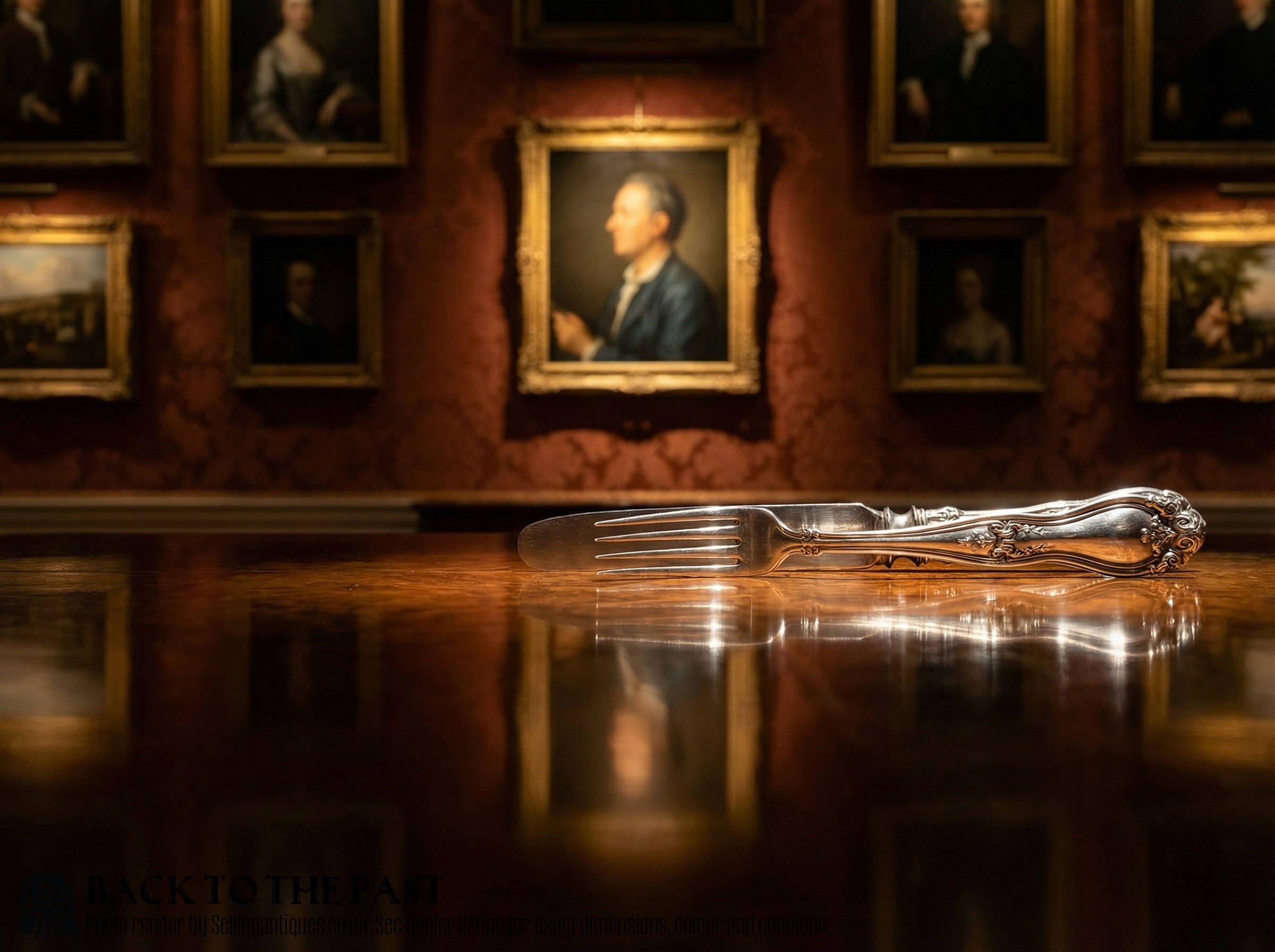
Antique Sterling Cutlery
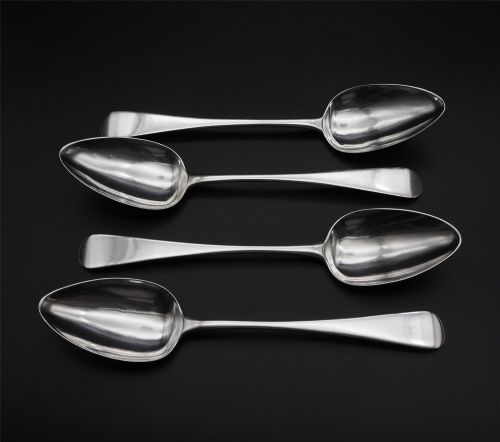
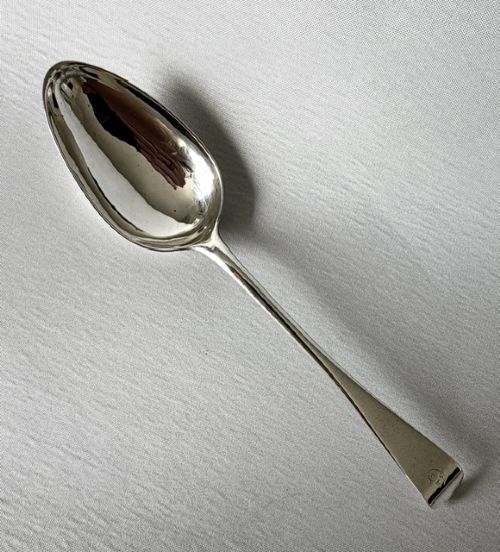
Antique sterling cutlery encompasses flatware, serving utensils, and canteens fashioned from solid silver across multiple centuries. Buyers encounter single serving pieces alongside full canteens designed for formal dining.
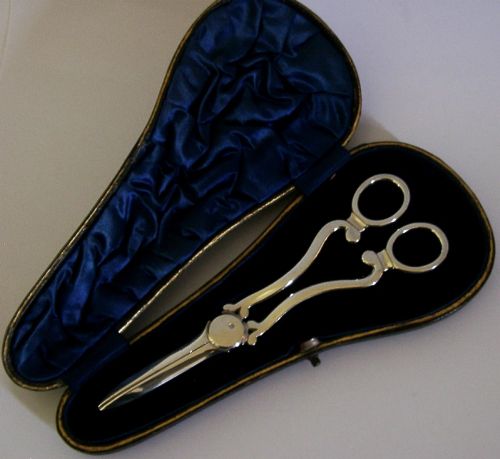
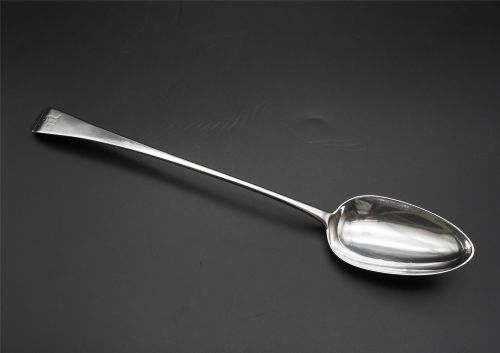
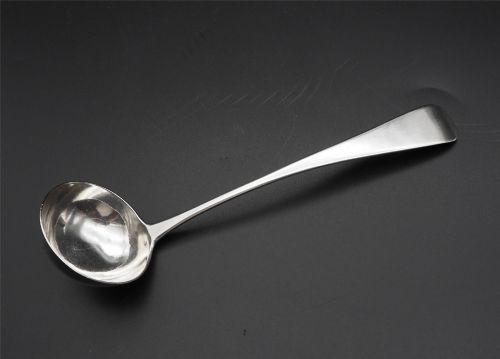
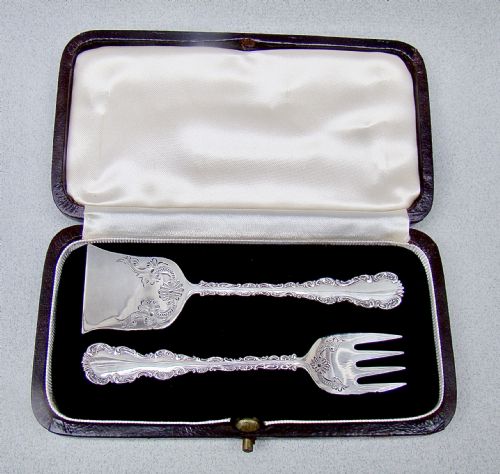
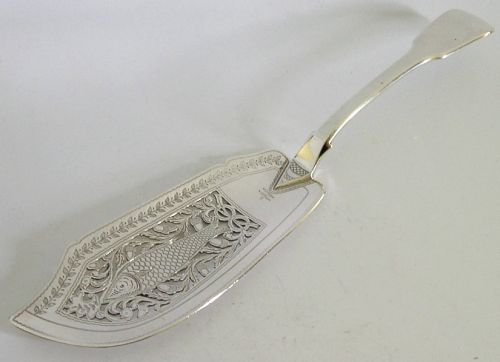
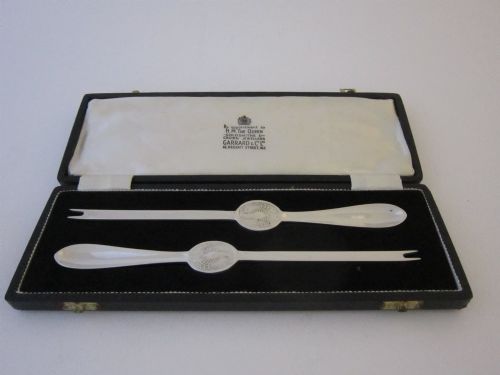
The selection ranges from early Georgian marrow scoops and basting spoons to Victorian fiddle pattern sets and Art Deco tea forks. Pieces also include specialised implements such as grape shears, fish servers, and lobster picks.
Origins span English provincial workshops, Scottish makers, and Dublin silversmiths, alongside later twentieth-century canteens. These pieces reflect the dining customs of their respective periods.
Materials and Manufacture
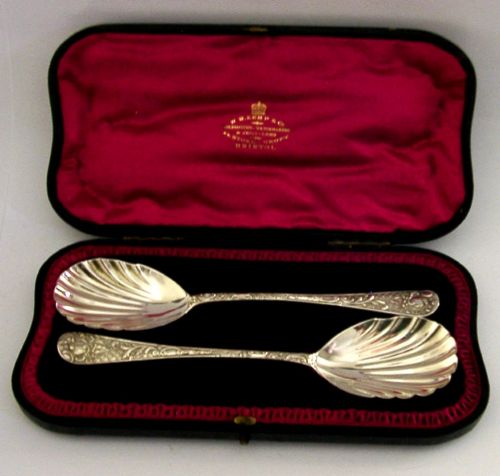
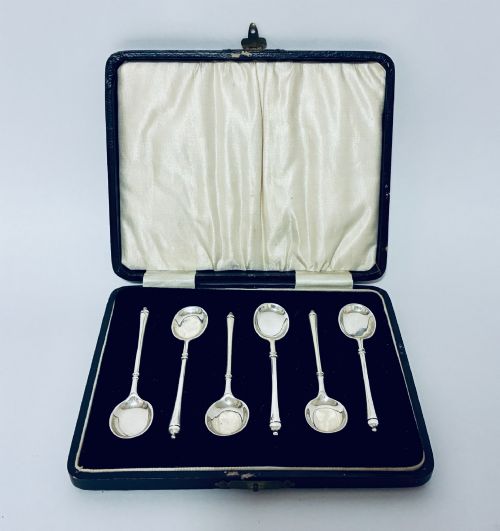
Makers fashioned these pieces primarily from sterling silver, often combining the metal with organic elements such as mother-of-pearl, agate, and antler for handles. Canteens frequently utilised fitted wooden cases lined with velvet, silk, or satin.
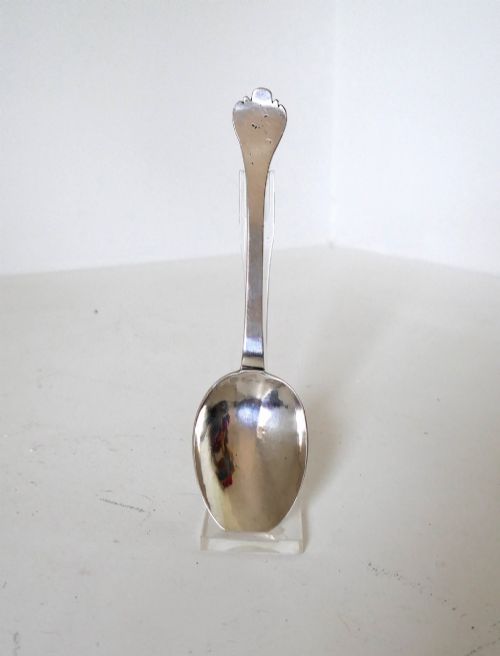
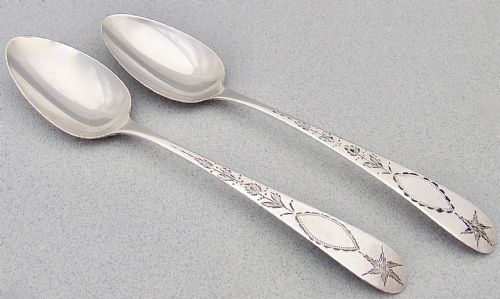
Production techniques involved forging solid silver into traditional patterns like Fiddle, Kings, and Hanoverian, complemented by hand-engraved crests and pierced decoration. Steel featured in the blades of specific knives, while silver formed the bowls, tines, and structural elements of spoons and forks.
Victorian diners enjoyed such specialised courses that makers produced dedicated silver lobster picks, sardine servers, and marrow scoops just for the dining table.
Assessing Quality and Craftsmanship
Quality rests upon the crispness of hallmarks, the weight of the silver, and the preservation of original engraved crests or decorative motifs. Pieces retaining their structural integrity without excessive thinning of bowls or tines demonstrate superior durability.
The degree of hand-finishing distinguishes standard service pieces from notable provincial or maker-attributed items. Complete, matching canteens housed in original fitted cases with intact linings command particular interest from collectors.
Peter and Jonathan Bateman·Georg Jensen·Henry Wilkinson·John Pittar·John Walton·Hamilton and Inches·Christopher Dresser·Souche-Lapparra
The Antique Sterling Cutlery Glossary
- Sterling silver
- An alloy comprising silver and other metals, traditionally containing 92.5 percent pure silver by mass. This standard is verified by official assay office hallmarks.
- Fiddle pattern
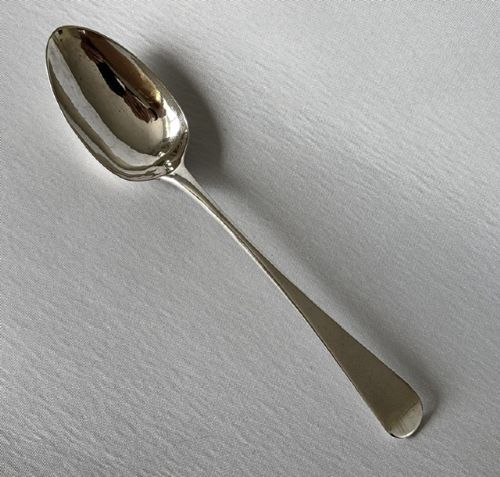
- A prominent nineteenth-century flatware design characterised by a tapered handle with a distinct shoulder resembling a fiddle. It appeared frequently in Victorian canteens.
- Marrow scoop
- A narrow, double-ended utensil designed for extracting marrow from bones. These date predominantly from the Georgian period.
- Hallmark
- A series of official marks stamped on precious metals indicating the maker, assay office, standard of purity, and year of manufacture.
- Canteen
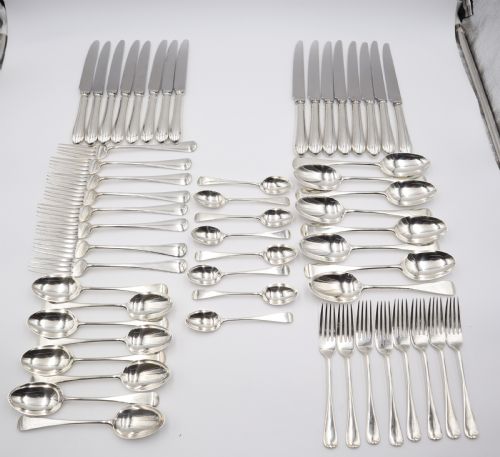
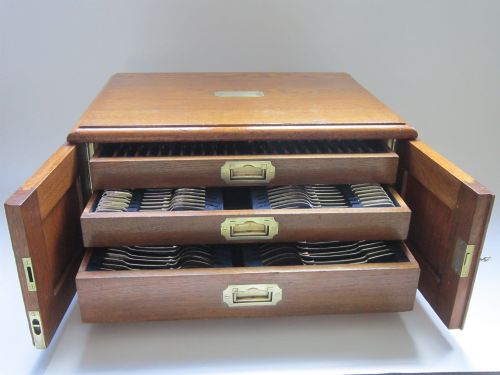
- A fitted box or chest containing a matched set of cutlery for multiple persons. These sets were often organised in tiered trays lined with baize or velvet.
Antique Sterling Cutlery: Frequently Asked Questions
How do I date antique silver cutlery?
Dating relies on the stamped hallmarks, which include specific punch marks for the assay office and a sequential date letter indicating the year of testing. Stylistic traits such as the fiddle pattern shape or Hanoverian ridge also provide chronological markers.
Additional context comes from maker marks, which can be cross-referenced against silversmith registry records to narrow the active working period.
What is the difference between flatware and cutlery?
In historical terms, flatware generally denotes eating and serving utensils such as spoons and forks that lie flat on the table. Cutlery historically referred to cutting instruments including knives, though modern usage often combines both under a single umbrella.
Antique canteens frequently include a mix of these designations alongside specialised serving implements like grape shears and fish slices.
How should I care for sterling silver cutlery?
Routine maintenance involves washing pieces by hand in warm soapy water and drying them promptly with a soft cloth. Storing silver in tarnish-resistant flannel rolls or original fitted canteens helps protect the metal from atmospheric sulfur.
Avoid abrasive cleaners or mechanical dishwashers, as these methods can wear down delicate hallmarks, thin the silver, and damage organic handles like mother-of-pearl.
Can I use antique cutlery every day?
Using sterling silver daily is entirely practical because the metal is durable and designed for regular handling. Many households mix historic pieces into contemporary dining routines to enjoy their tactile weight and balance.
Care should be taken with delicate constructions, such as hollow handles or mother-of-pearl inserts, which benefit from gentle hand washing rather than heavy daily use.