



Charles II Silver
Charles ii silver brings seventeenth-century weight and hammered texture to the table, offering collectors historic metalwork from the Restoration era.
Charles II Silver
When you search for charles ii silver, you encounter heavy Restoration-era metalwork alongside later nineteenth-century copies and Georgian interpretations bearing maker names or coin mounts. The seventeenth-century examples on this page comprise trefid spoons, tankards, and porringers originating from the decades around sixteen-eighty. You also meet later revival pieces, including Victorian replicas and twentieth-century silver bowls that incorporate original seventeenth-century currency.
The forms span domestic dining and display, moving from flatware and mustard pots to large salvers and wall mirrors. Seventeenth-century production dominates through solid sterling silver spoons and tankards, while related metalwork such as pewter chargers occasionally appears alongside the silver items. Buyers navigate a landscape where genuine seventeenth-century pieces sit alongside nineteenth-century copies made in the same style.
Materials and construction
The primary material across these listings is sterling silver, worked into heavy spoons, lidded tankards, and decorative porringers. Pewter also occurs in domestic vessels like plain rim chargers from the late seventeenth century. Workshops shaped these metals using period techniques of hammering, casting, and hand-engraving, producing tactile surfaces with visible tool marks.
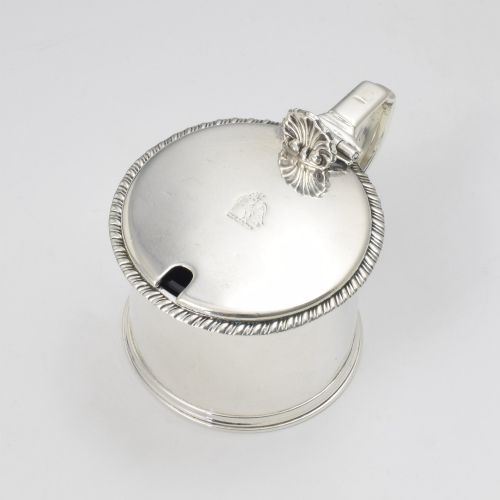
Makers utilised die-stamping and casting for later Victorian copies and Georgian items such as drum mustard pots and tea caddies. Surface decoration relies on chased foliage, embossed panels, and punched maker marks rather than machine finishing.
A Victorian silversmith once solved a lack of antique metal by embedding a genuine sixteen-seventy coin straight into the bottom of a tea bowl.
Distinctions in quality
Quality in charles ii silver rests upon the crispness of chased ornament and the preservation of original hallmarks. Pieces retaining clear maker stamps and unrubbed surfaces command greater attention than heavily polished examples where early detail has softened.
The integrity of the construction distinguishes original seventeenth-century survivals from later Victorian copies and replicas. Weight, gauge of metal, and the natural ageing of the silver differentiate period work from subsequent revival manufacturing.
The Charles II Silver Glossary
- Trefid spoon
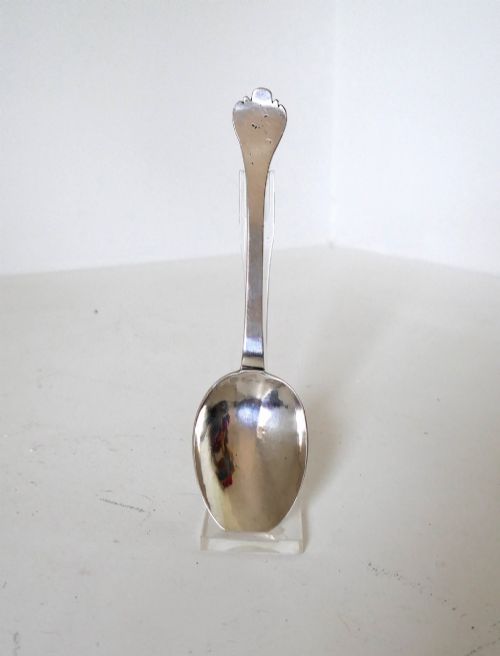
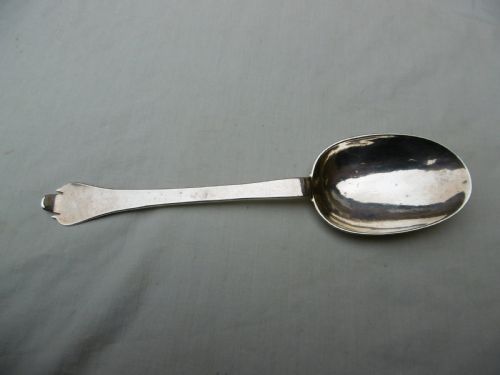
- An eating spoon with a three-lobed terminal characteristic of the late seventeenth century. This form frequently displays rattail dorsal attachment beneath the bowl.
- Porringer
- A two-handled bowl used for broths and soft foods during the seventeenth and eighteenth centuries. These vessels often feature embossed decoration and chased scroll handles.
- Sterling silver
- An alloy comprising ninety-two point five percent silver and seven point five percent other metals, chiefly copper. This standard governs English hallmarked plate.
- Salver
- A flat plate or tray with a foot, used for serving drinks or presenting items. Examples range from seventeenth-century forms to later Georgian and Victorian interpretations.
- Touchmark
- A stamp impressed by a metalsmith or pewterer onto their work to indicate origin and standard. These marks aid attribution alongside official assay office hallmarks.
Charles II Silver: Frequently Asked Questions
How do I spot a later copy?
Later copies often bear nineteenth-century assay marks that reveal their true date of manufacture, even when reproducing seventeenth-century porringer or beaker forms.
Examining the wear patterns and the sharpness of the chasing helps distinguish period work from Victorian revival pieces.
What is a trefid spoon?
A trefid spoon is a flatware form featuring a notched, three-lobed handle end that was popular during the late seventeenth century. Makers often engraved the reverse of the stem with initials or floral patterns.
These spoons represent some of the most accessible authentic survival pieces from the Restoration period.
How were porringers used?
Porringers functioned as small two-handled bowls for eating porridges, broths, and possets in seventeenth-century households. Their twin handles allowed diners to lift the vessel easily.
Later collectors prized them for their decorative embossed panels and sturdy domestic utility.
Can I use antique silver daily?
Solid silver flatware and tankards from the seventeenth and eighteenth centuries were built for functional use and withstand careful handling. Regular washing with mild soap and warm water maintains the metal without abrasive polishing.
Displaying pieces away from direct heat sources preserves the historic surface integrity.