




Ornate Silver Cutlery
Ornate silver cutlery brings Victorian and Edwardian dining tables to life with elaborate patterns and chased metalwork.
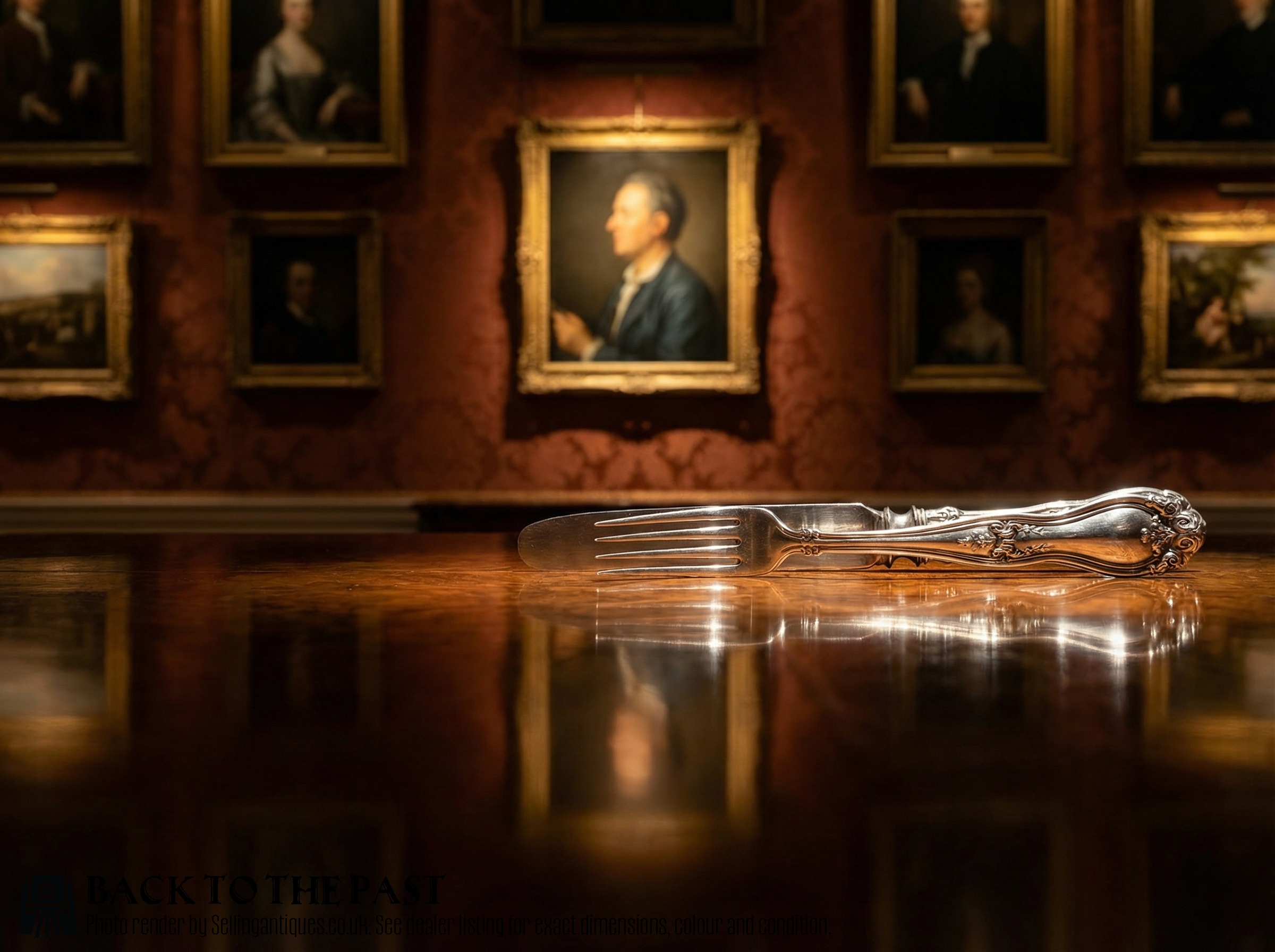
Ornate Silver Cutlery
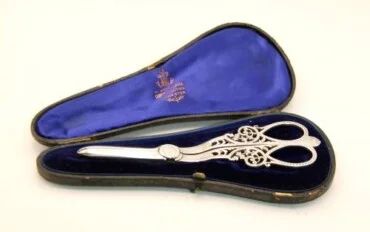
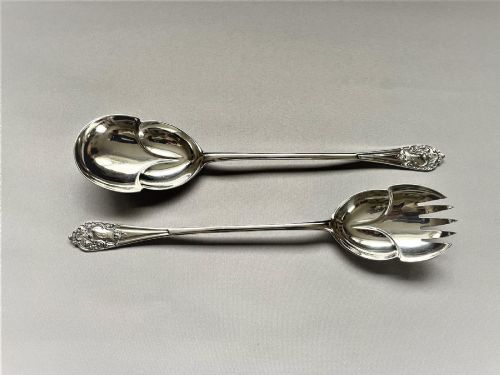
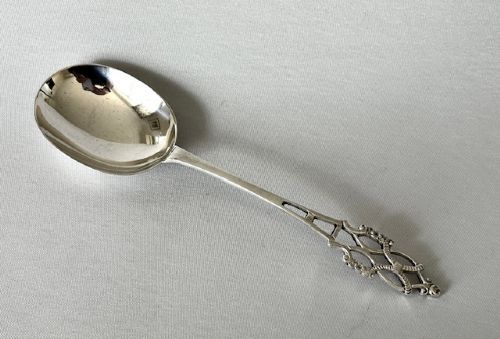
Ornate silver cutlery encompasses serving spoons, fish servers, salad servers, grape scissors, and complete canteens designed for formal dining. These pieces emerge primarily from the Victorian and Edwardian eras, showcasing the decorative ambitions of the nineteenth and early twentieth centuries. Buyers encounter specialised serving pieces alongside flatware services configured for twelve persons.
The selection on this page relies heavily on Victorian and Edwardian items, spanning periods from eighteen hundred through nineteen hundred. Styles range from classical patterns like Queens to Rococo Revival and Art Nouveau motifs. Forms include grape scissors and sardine serving forks alongside standard spoons and cutlery.
Origins represented in the current inventory include English and American makers, utilising traditional silver forms for both everyday utility and ceremonial dining. Pieces take the form of individual serving implements as well as matched canteens housed in velvet or leatherette cases. Each item reflects the social rituals of nineteenth-century table service.
How ornate silver cutlery was made
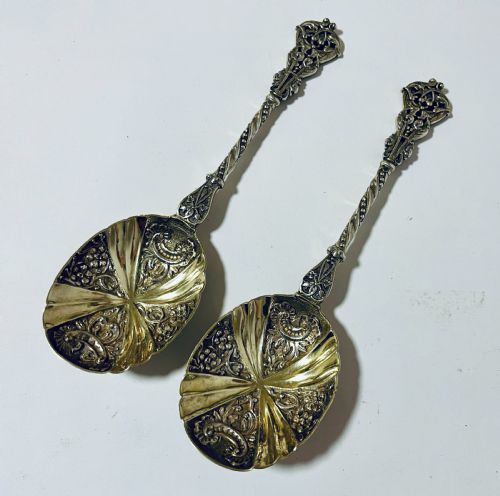
Silversmiths utilised sterling silver, silver plate, vermeil, and silver-gilt, applying casting and chasing techniques to achieve elaborate surface decoration. Handles and mounts incorporate stainless steel blades and tines where functional rigidity is required. These materials combine to produce items capable of withstanding regular use while maintaining decorative relief.
Production methods involved hand-finishing cast elements, particularly on grape scissors and serving spoons where floral or scrollwork was applied. Canteens and specialised servers often received fitted cases lined with velvet or leatherette to protect the metal surface. Craftspeople utilised traditional stamping and engraving to render patterns such as Queens and Old Orange Blossom.
Ornate Silver Cutlery Retail Price Guide 2026
Typical asking prices for ornate silver cutlery among the pieces listed under this phrase on Sellingantiques today, from the lower quarter to the upper quarter. They describe what is for sale here now, not the wider market.
Listings feature Victorian, Edwardian, and nineteenth-century periods, utilising silver, silver plate, vermeil, and silver-gilt.
What varies in quality
Quality in ornate silver cutlery depends on the depth and crispness of the cast decoration and the integrity of the base metal. Sterling silver pieces maintain their substance better over generations than plated alternatives where the underlying metal may show through. The weight of the item and the balance in the hand distinguish standard production from superior craftsmanship.
The precision of pattern execution, whether in Rococo Revival scrolls or Art Nouveau lines, dictates the visual standard of the piece. Preservation of original gilding, vermeil, and fitted presentation cases also influences the overall standing of an item. Superior examples retain sharp detail in high-relief motifs without smoothing from excessive polishing.
International Silver Co·Alvin
The Ornate Silver Cutlery Glossary
- Sterling silver
- An alloy containing ninety-two point five percent silver by mass, with the remainder consisting of other metals like copper. This standard ensures durability while maintaining the lustre of pure silver.
- Silver-gilt
- Silver that has been coated with a thin layer of gold on its surface. This technique provides a warm dual-tone appearance often seen on specialised serving pieces.
- Vermeil
- Sterling silver plated with gold, combining the structural strength of silver with the rich colour of gold. It appears frequently on decorative tableware and serving items.
- Queens pattern
- A traditional decorative flatware design featuring an ornate shell and scroll border. It remains a hallmark of formal nineteenth-century dining silver.
- Canteen
- A fitted box or chest designed to store a complete set of cutlery securely. These cases are frequently lined with velvet or leatherette.
Ornate Silver Cutlery: Frequently Asked Questions
What is ornate silver cutlery?
Ornate silver cutlery includes decorative spoons, forks, servers, and canteens produced during the Victorian and Edwardian periods. These items feature detailed casting, chasing, and established patterns designed for formal dining.
Such pieces range from single serving utensils to complete table services for twelve persons, often incorporating specialised tools like grape scissors.
How do I clean ornate silver cutlery?
Cleaning requires a soft cloth and a specialised silver polish formulated to remove tarnish without abrading fine detail. Care must be taken around chased relief work and applied gilding or vermeil.
Hand washing in warm soapy water with immediate drying prevents moisture damage, especially for pieces housed in velvet or leatherette cases.
How do I date Victorian silver cutlery?
Dating relies on hallmarks stamped into the metal, which indicate the assay office, date letter, and maker's mark. Stylistic clues such as Rococo Revival scrolls or Art Nouveau curves also provide period context.
Comparison with documented patterns like Queens or Old Orange Blossom helps narrow the manufacture date to the nineteenth or early twentieth century.
Can I use antique silver cutlery daily?
Daily use is practical for sterling silver pieces, provided they receive careful hand washing rather than exposure to harsh dishwasher detergents. Silver-plated items require gentle treatment to preserve the plated surface over time.
Storing pieces in proper canteens prevents scratching and tarnishing when the cutlery is not actively in service on the dining table.