


Sterling Silver Forks
These sterling silver forks bring the weight of Georgian dining tables and the sharp geometry of Art Deco tea services straight to the modern home.
What sterling silver forks are
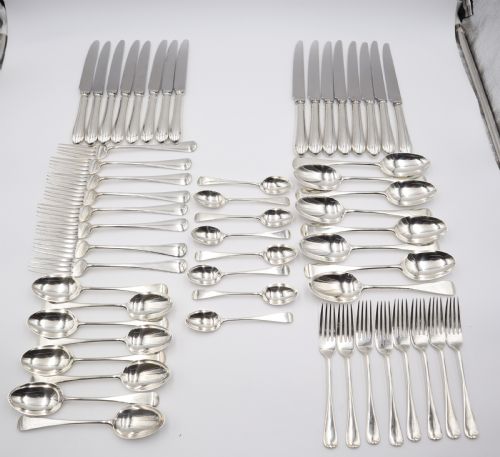
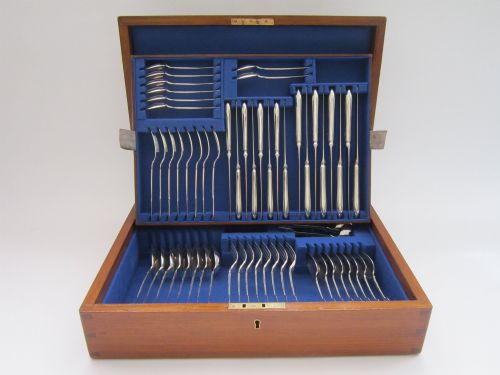
Sterling silver forks span formal canteens, delicate afternoon tea sets, and specialist dining implements from the eighteenth century through to the mid-twentieth century. Buyers search for these pieces to acquire functional tableware that carries specific historical periods such as George II, Georgian, Victorian, and Art Deco.
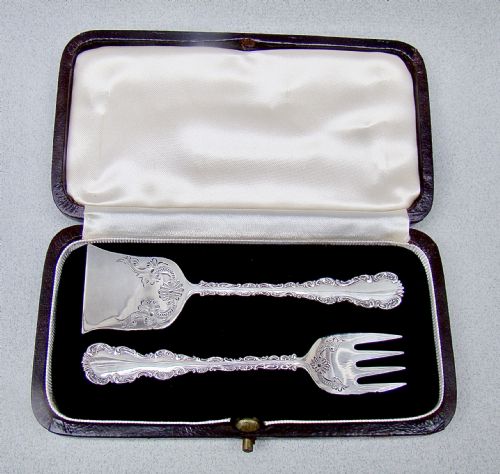
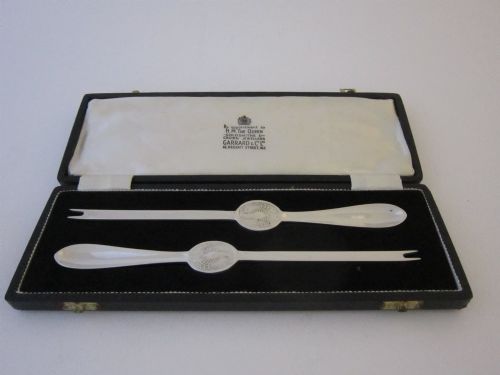
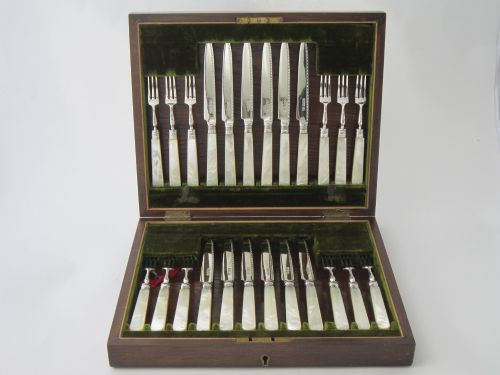
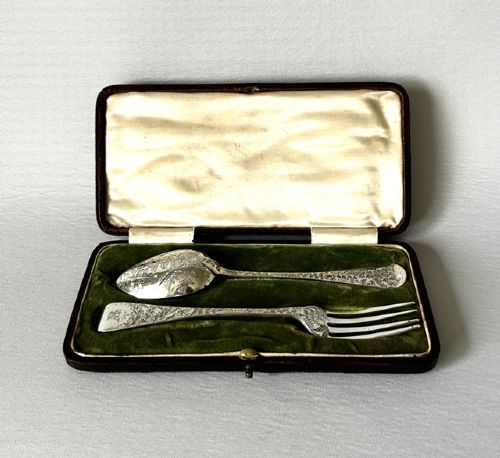
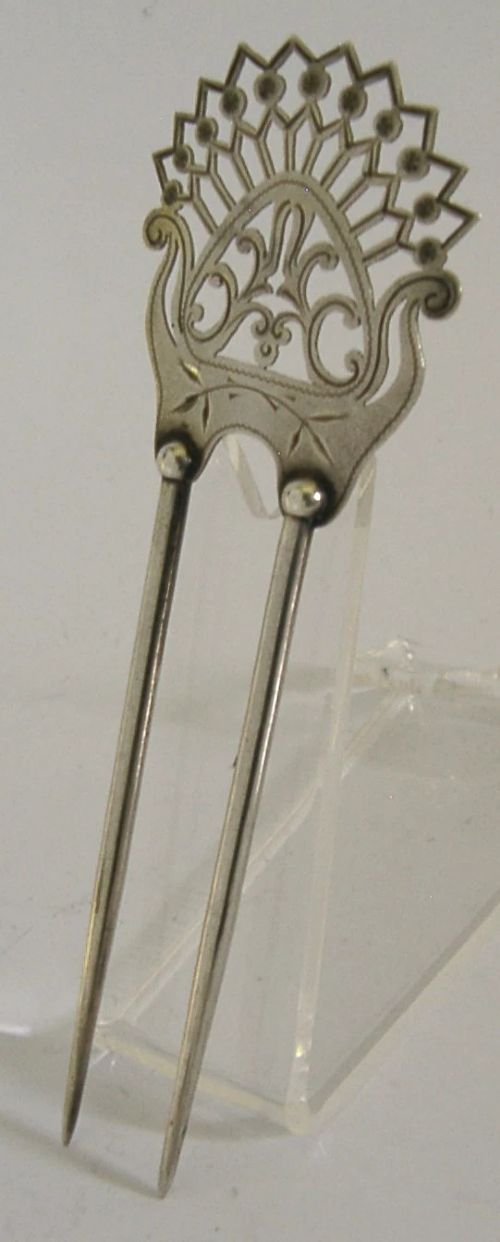
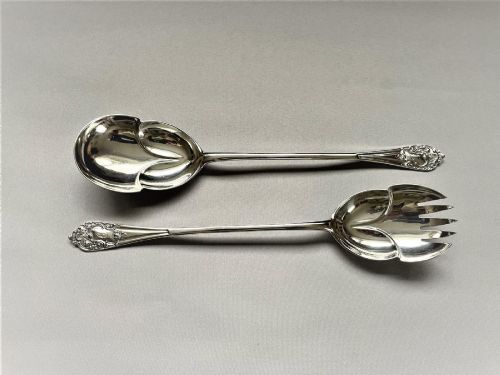
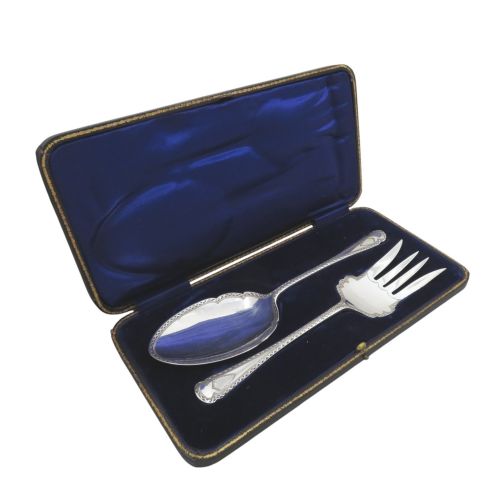
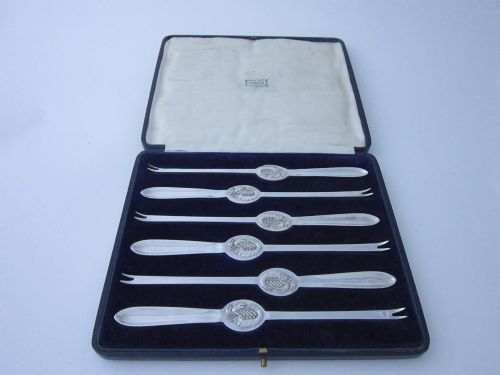
The selection here encompasses everything from early three-pronged dessert forks and Hanoverian pattern table forks to cased sets of pastry forks, seafood forks, and mother of pearl handled tea sets. Most pieces reflect formal dining traditions, with cased sets originating predominantly from the twentieth century and individual table pieces dating back to the eighteenth century.
How they were made
Silversmiths constructed these forks from sterling silver, shaping solid metal bars into tines, shafts, and handles through traditional forging, casting, and hand-finishing techniques. Many twentieth-century examples incorporate additional materials like mother of pearl handles, enamel work, or gilding upon the tines.
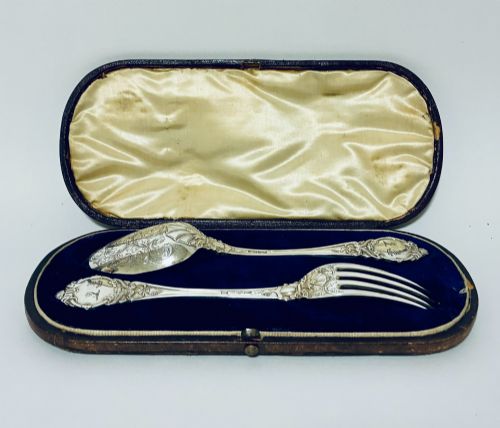
Pattern work was applied by hand or die-stamped to create distinct styles, ranging from plain Hanoverian profiles to intricate Art Nouveau curves and geometric Art Deco motifs. Makers often engraved family crests into the terminals, marking the status and lineage of the original owners.
The listings span from the eighteenth century to the mid-twentieth century, featuring sterling silver alongside mother of pearl and enamel combinations.
What varies in quality
Quality rests upon the gauge of the silver, the crispness of the stamped or hand-carved patterns, and the integrity of any secondary materials like mother of pearl or enamel. Heavier pieces demonstrate a substantial metal weight that resists bending during use, whereas lighter pastry forks rely on precise balance and slender proportions.
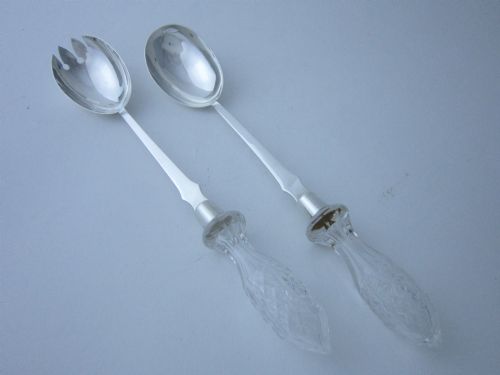
The survival of original fitted presentation cases and matching serving implements elevates a set, as does clear hallmarks confirming the date, silversmith, and assay office. The retention of original gilding and undamaged crest engravings further separates standard dining utensils from finer collector pieces.
E Coker·Whiting·Meka·Tiffany·Henri Soufflot·Liberty And Co·Cooper Brothers
The Sterling Silver Forks Glossary
- Sterling silver
- An alloy comprising a high proportion of pure silver combined with other metals to provide durability for cutlery and tableware.
- Hanoverian pattern
- An early style of flatware featuring a distinctive upturned terminal and a central ridge running down the stem.
- Hallmark
- A series of stamped official marks indicating the metal standard, the maker, the assay office, and the year of manufacture.
- Gilt tines
- The application of a thin layer of gold to the prongs of a fork, frequently seen on seafood and pastry pieces.
- Crest engraving
- A heraldic symbol or family badge hand-engraved onto the handle of a fork to denote ownership.
Frequently Asked Questions
How do I date sterling silver forks?
Dating relies on reading the stamped hallmarks found on the reverse of the stem or handle. These marks typically include a date letter, a town mark, and a standard mark that point to the exact year and assay office.
Style also provides a reliable guide, as three-pronged formats and Hanoverian patterns generally denote eighteenth-century origins, while geometric motifs point towards the Art Deco period.
Were cased sets made for daily use?
Cased sets of pastry, cake, and afternoon tea forks were primarily produced as luxury presentation gifts for weddings or special occasions during the late Victorian and twentieth-century eras. They spent most of their existence stored inside fitted velvet or silk-lined boxes.
This sheltered storage means surviving cased examples often retain a sharper definition and less surface wear than pieces kept in active daily canteens.
What is the difference between table forks and dessert forks?
Table forks are larger and heavier instruments designed for the main meat or savoury course of a formal meal. They measure longer and possess wider tines suited to substantial food.
Dessert forks are scaled down in size and were traditionally manufactured for the sweet course, fruit, or pastry, occasionally featuring three tines rather than four.