





Antique Silver Canteen
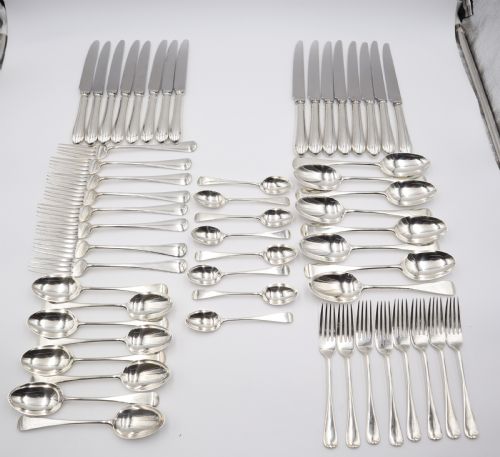
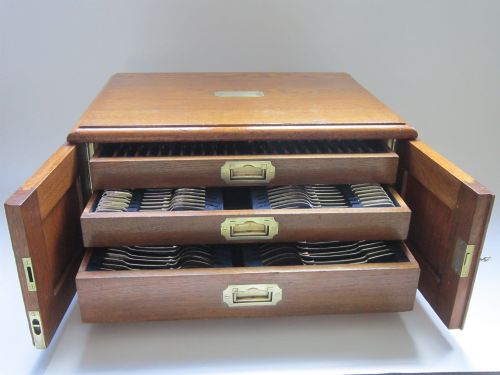
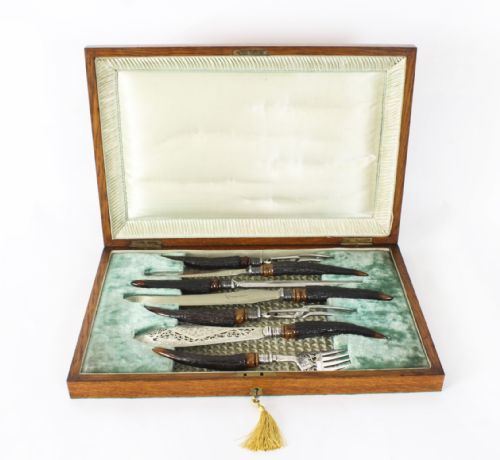
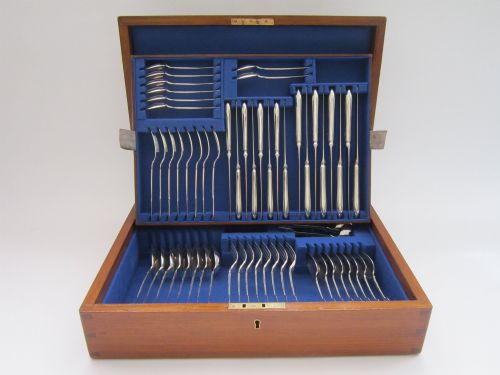
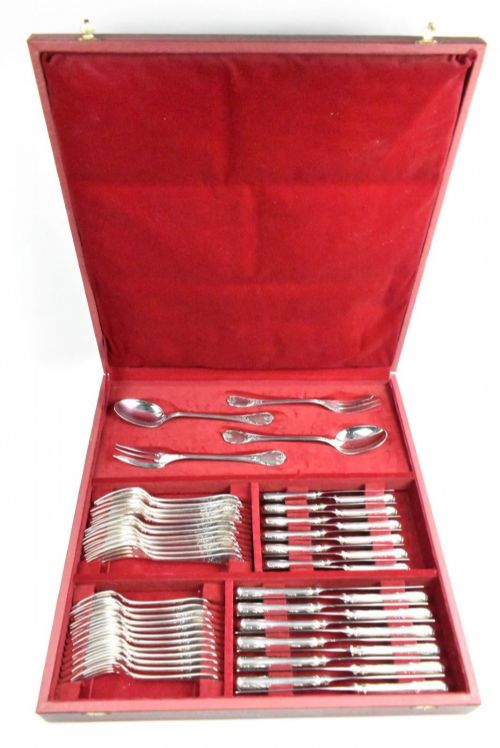
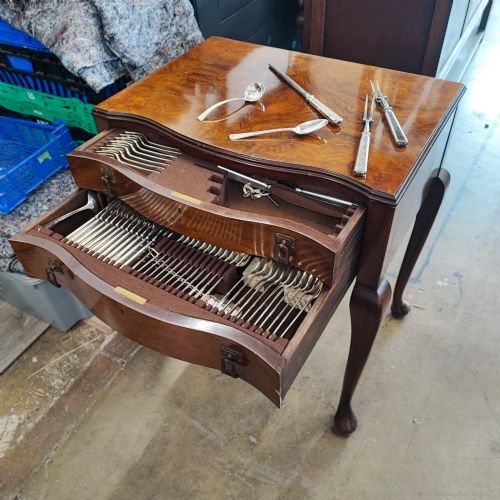
An antique silver canteen provides a complete fitted service of matching cutlery housed within its own dedicated case.
Identifying an antique silver canteen
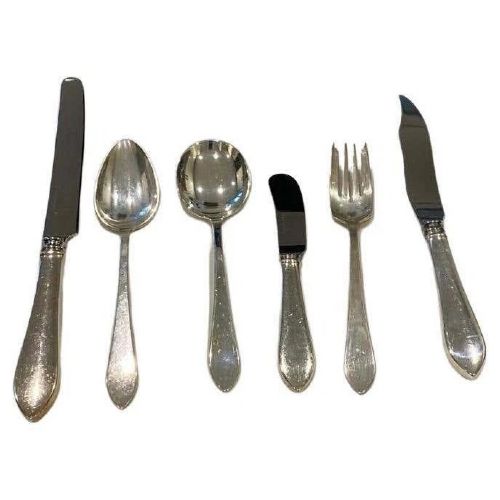
An antique silver canteen gathers a complete set of dining utensils inside a fitted container, ensuring every setting matches precisely. You will encounter sets configured for various numbers of diners, ranging from smaller arrangements up to services for twelve persons.
The evidence shows these sets emerging in styles including Victorian, Georgian Style, and Rococo Revival. Pieces span several decades from the early nineteenth century through to the early twentieth century.
Formations take the shape of designated cutlery sets, flatware collections, and fully housed canteens. These collections preserve the dining rituals of past eras through their comprehensive tool arrangements.
Distinctions in craftsmanship
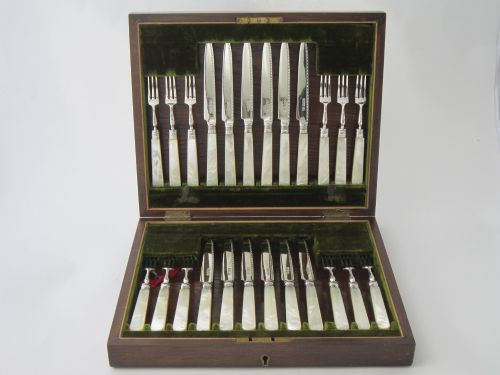
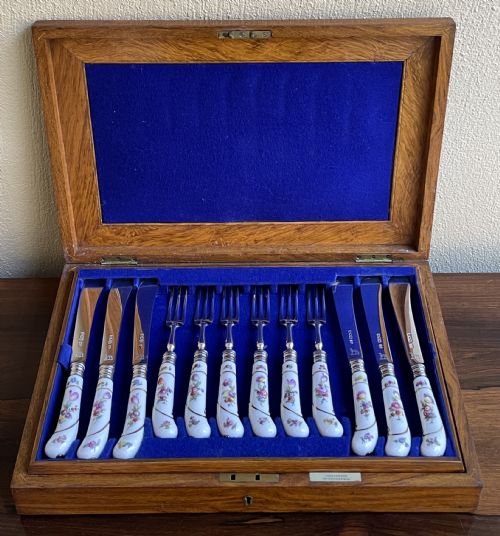
The standard of an antique silver canteen rests upon the consistency of the pattern across every single implement and the structural integrity of the housing. Sets featuring matched handles in mother-of-pearl or bone demonstrate careful material selection by the maker.
Enclosure construction reveals much about origin, as solid wood cabinetry fitted precisely to the cutlery demands advanced cabinet-making skills. The presence of subsidiary metals like german silver or silver plate alongside solid sterling options marks distinct tiers of production.
Retail Price Guide 2026
Typical UK retail prices for silver canteen, calculated from the Sellingantiques database of over a million retail prices indexed since 2003. This retail price guide relies exclusively on Sellingantiques data; no external sources or auction records are used, so the figures do not describe the wider market.
Christofle·Cooper Bros And Sons·Elkington·Mappin Brothers
The Antique Silver Canteen Glossary
- Sterling Silver
- A metal alloy containing ninety-two point five percent silver by mass, with the remainder composed of copper or other metals. This standard guarantees the purity of the material used in high-grade cutlery.
- Silver Plate
- A base metal substrate coated with a thin layer of pure silver through electroplating or older techniques. This method offered a durable dining service at a lower cost than solid metal.
- Vermeil
- Sterling silver coated with a layer of gold on the surface. This technique produces a rich dual-tone appearance found on select dining items.
- Fiddle Pattern
- A nineteenth-century cutlery handle design characterised by a narrow stem that flares sharply at the end into a shape resembling a fiddle. It remains one of the most frequently encountered traditional styles.
- Kings Pattern
- An ornate nineteenth-century cutlery design featuring shell and scroll motifs along the borders of the handle. This decorative style conveys formal nineteenth-century dining aesthetics.
- Rat Tail
- A distinct reinforcement spine running down the reverse of the bowl on early spoons. This feature originated as a structural brace before becoming a stylistic nod to earlier periods.
Frequently Asked Questions
How do I clean an antique silver canteen?
Maintenance requires specialised silver polish applied gently with a soft cloth to preserve the underlying metal and any decorative patterns. Avoid harsh abrasive cleaners that can wear away thin silver plating or damage organic handle materials.
Store each piece securely in its designated slot within the fitted case after cleaning to prevent tarnishing and physical contact scratches. Proper environmental control inside the wooden box keeps the metal stable between dining occasions.
What is the difference between solid silver and plated sets?
Solid sterling silver sets contain precious metal throughout the entire implement, bearing appropriate hallmarks denoting purity and origin. Silver plated sets utilise a base metal core covered by an external layer of pure silver.
Examining the wear points and hallmarks reveals the underlying composition of the flatware. Plated alternatives provided households with formal dining displays without the expense of solid precious metal.
How can I date my cutlery set?
Dating relies primarily upon official hallmarks stamped into the metal surfaces, which indicate the assay office, standard, and year of production. Stylistic indicators such as Fiddle or Kings patterns also narrow down the era of manufacture.
The construction of the accompanying wooden case and internal lining materials offer further clues to the period of origin. Comparing these physical traits against documented design epochs confirms the age of the service.
Were these canteens meant for daily use?
These comprehensive dining services were primarily manufactured for formal entertaining and large household gatherings rather than casual meals. The inclusion of specialised implements for fish, dessert, and serving tasks reflects elaborate historical dining customs.
Owning such a service today allows modern collectors to recreate traditional dining settings. The fitted wooden chests ensure the contents remain organised and protected across generations.