



Beaded Edge Silver
These beaded edge silver pieces range from Georgian ladles to Edwardian napkin rings, offering tactile borders that catch the light.
Beaded Edge Silver
When you search for beaded edge silver, you encounter functional domestic items and tableware produced across several centuries. The selection on this page includes Victorian sugar baskets, Edwardian napkin rings, and Georgian salt cellars.
You are most likely to meet serving items and cutlery carrying this distinct decorative border along the rim. Pieces span centuries of design, reflecting changing dining habits from the eighteenth century onward.
How they were made
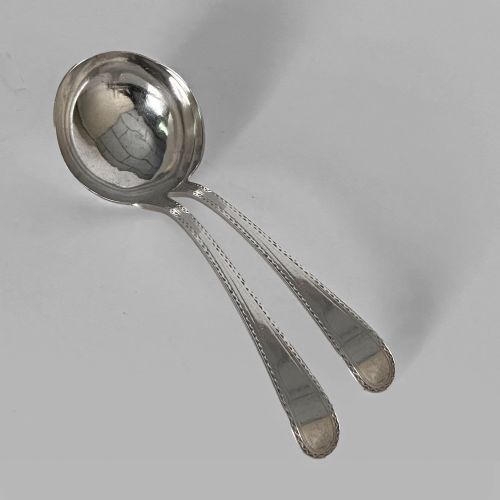
Items in this category utilise sterling silver, silver plate, and silver gilt alongside glass and wood elements. Metalsmiths formed the characteristic tiny bead motifs along the rims of vessels, frames, and cutlery handles using specialised punch tools.
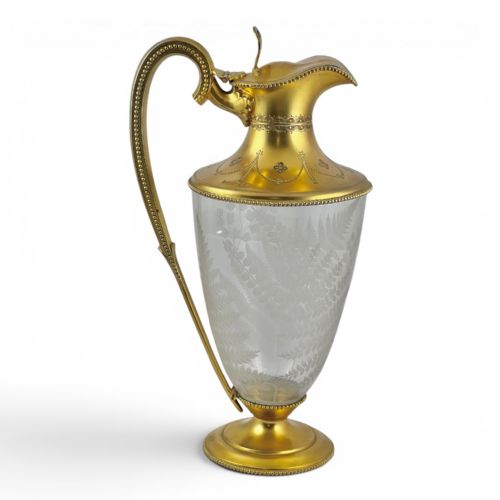
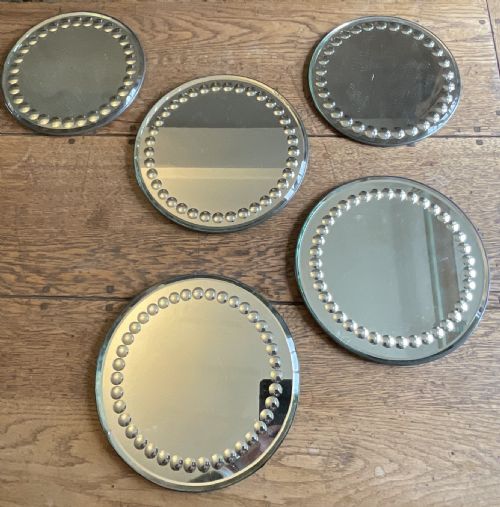
Makers combined metalworking with glassblowing for claret jugs and decanters, while mirrors incorporated silvered glass and mercury glass techniques. Canteens of cutlery and trays required precise soldering and plating methods to achieve durable finishes.
Listings feature items from the 18th Century through the Edwardian period, incorporating materials like sterling silver, glass, and mercury glass.
What varies in quality
The distinction between standard items and superior examples lies in the crispness of the small rounded elements along the border. Uniformity and precision in hand-punched or cast beadwork indicate higher craftsmanship.
Weight, material grade, and the presence of original fitted cases or maker marks separate everyday domestic wares from exceptional pieces. Engraved crests and well-preserved silver gilt linings also elevate individual examples.
Hester Bateman·John Scofield·Walter and John Barnard·William Neale and Son·Peters Hamburg
The Beaded Edge Silver Glossary
- Sterling silver
- A silver alloy containing 92.5 percent pure silver by mass and 7.5 percent other metals, usually copper. This standard defines high-grade British silver objects.
- Silver plate
- A layer of silver applied to a base metal such as copper or nickel silver. This technique offered an accessible alternative to solid silver for large serving dishes.
- Silver gilt
- Silver that has been coated with a thin layer of gold on its surface. It was frequently used for the interiors of sugar baskets and salt cellars to prevent tarnishing.
- Electroplated nickel silver
- An alloy of copper, nickel, and zinc coated with silver using an electrical process. This material became common for nineteenth-century tableware.
- Sorcerer mirror
- A convex mirror designed to reflect a wide angle of a room. These decorative items often feature ornate frames.
Beaded Edge Silver: Frequently Asked Questions
What is beaded edge silver?
It refers to tableware and decorative objects featuring a border composed of small, evenly spaced rounded metal beads. This decorative technique appears on spoons, frames, and serving dishes.
Craftsmen applied this detail to soften edges and provide a classic textural contrast to smooth silver surfaces.
How do I clean these items?
Use a soft microfiber cloth and a mild silver cleaner suitable for the specific material grade. Avoid abrasive materials that can wear down delicate beadwork or plating.
Store pieces in dry environments away from direct sunlight to minimise tarnishing on silver and silver-plated surfaces.
Are these pieces safe for food?
Solid sterling silver items are generally suitable for modern dining use, though silver gilt linings require gentle hand washing. Silver-plated items should be assessed for wear to ensure the base metal is not exposed.
Historical serving vessels function well for display or careful occasional use during meals.
How do I identify the age?
Check for hallmarks stamped into the metal, which indicate the assay office, city, and year of manufacture. Stylistic markers such as Neoclassical forms or Edwardian silhouettes also help date the object.
Accompanying documentation or original fitted cases often provide additional provenance for nineteenth and twentieth-century pieces.