





Silver Table Knife
These silver table knife selections span the Georgian, Victorian, and Edwardian periods, offering practical elegance for the dining table.
Silver Table Knife
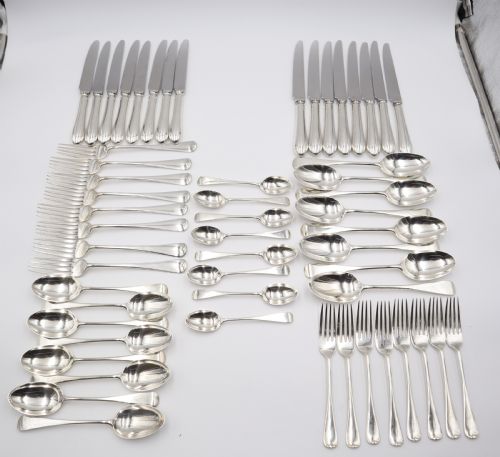
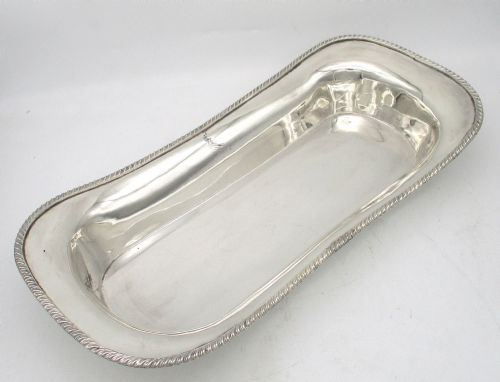
When you search for a silver table knife, you encounter a variety of forms including complete cutlery sets, individual pieces, and related dining accessories such as knife rests, trays, and butter knives. The selection ranges from nineteenth-century Georgian designs to early twentieth-century Edwardian and Art Deco pieces.
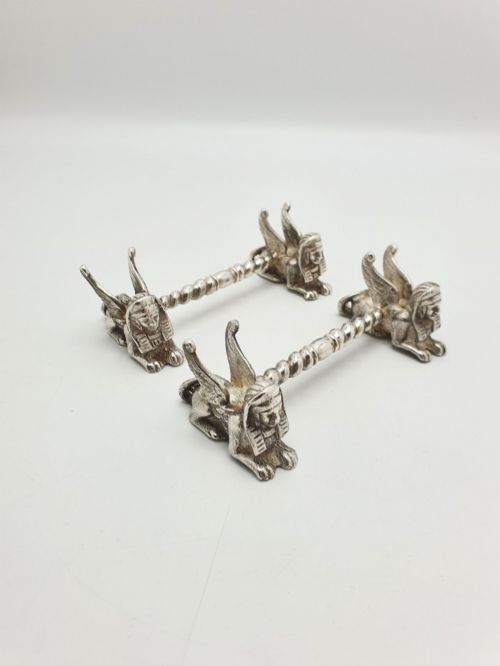
The materials span sterling silver, silver plate, Old Sheffield plate, steel, stainless steel, and mother-of-pearl handles. Many examples arrive from specific periods like the Victorian era or feature distinct styles such as Egyptian Revival, Regency, and George IV.
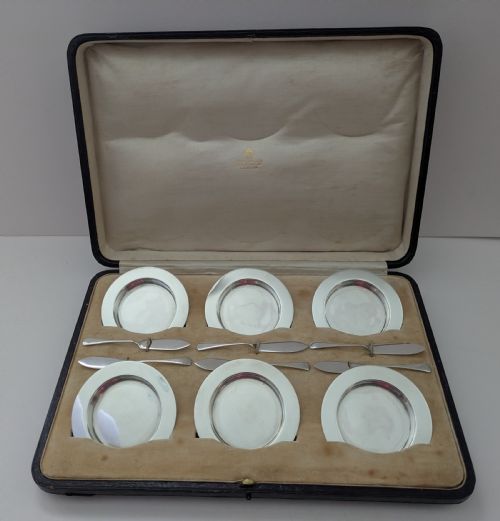
Buyers meet both cased sets intended for presentation and individual implements designed for daily use. Makers and assay offices from Birmingham, Sheffield, and international workshops appear across the available inventory.
Indicators of quality
Quality rests in the weight of the gauge, the crispness of cast details on figural rests or handles, and the integrity of the plating over the core metal. Heavy gauge silver and well-defined patterns demonstrate superior manufacturing standards.
The preservation of original cases, matching sets, and clear hallmarks from established makers or assay offices distinguish finer pieces from standard utilitarian wares.
Silver Table Knife Retail Price Guide 2026
Typical asking prices for silver table knife among the pieces listed under this phrase on Sellingantiques today, from the lower quarter to the upper quarter. They describe what is for sale here now, not the wider market.
Listings feature Victorian, Edwardian, and Art Deco periods alongside materials including mother-of-pearl, silk, velvet, and sterling silver.
Asprey And Co·Adie Brothers·International Silver Co·Creswick
The Silver Table Knife Glossary
- Sterling silver
- An alloy containing a high proportion of pure silver combined with other metals for durability. This standard appears frequently in British and American tableware.
- Silver plate
- A layer of silver fused or electroplated onto a base metal foundation. This technique provided a bright finish at a lower cost than solid silver.
- Old Sheffield plate
- An early method of fusing a sheet of silver to a copper core before rolling them together. This process creates a distinctive edge where the base metal shows through subtly.
- Knife rest
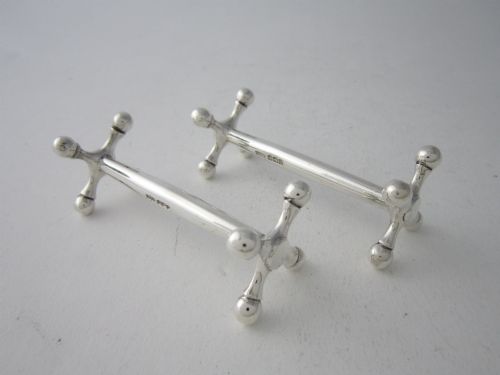
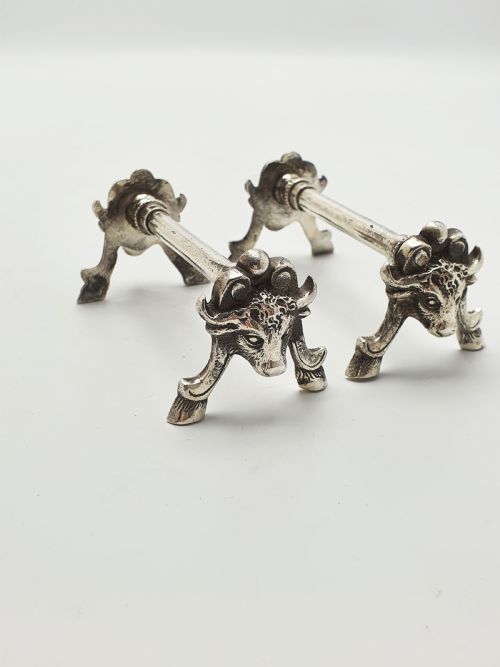
- A small support used to keep the blade and handle of a knife elevated above the tablecloth between courses. They often take decorative forms such as animals or architectural motifs.
- Fiddle pattern
- A traditional cutlery handle shape characterised by a slender stem expanding into a broad, squared shoulder resembling a fiddle. It gained popularity during the Georgian and Victorian periods.
Silver Table Knife: Frequently Asked Questions
How do I clean antique silver knives?
Use a soft cloth and a gentle, non-abrasive silver polish formulated specifically for antique metals. Avoid harsh chemical dips that strip patination and damage steel blades or mother-of-pearl handles.
Wash pieces by hand in warm soapy water rather than placing them in a mechanical dishwasher. Dry them thoroughly immediately after cleaning to prevent spotting or corrosion.
Can I use these knives for daily dining?
Many solid silver and silver-plated items remain entirely functional for modern meals. Care must be taken with hollow handles, glued mother-of-pearl, and delicate nineteenth-century blades.
Hand washing and careful storage in fitted boxes or rolls will preserve their condition during regular use. Treat older steel blades with a light film of oil if stored for long periods.
What is the difference between sterling and plate?
Sterling silver consists of solid precious metal throughout the entire implement, marked with official government assay office stamps. Silver plate applies a thin coating of silver over a different base metal such as copper or nickel brass.
Examining worn spots on edges often reveals the underlying base metal on plated items. Solid sterling pieces maintain their metal value and carry distinct hallmarks indicating the maker and year.