


Victorian Silver Toast Rack
A victorian silver toast rack brings the structured elegance of the nineteenth-century breakfast table to life through shaped wire and gleaming metal.
Understanding the Victorian Silver Toast Rack
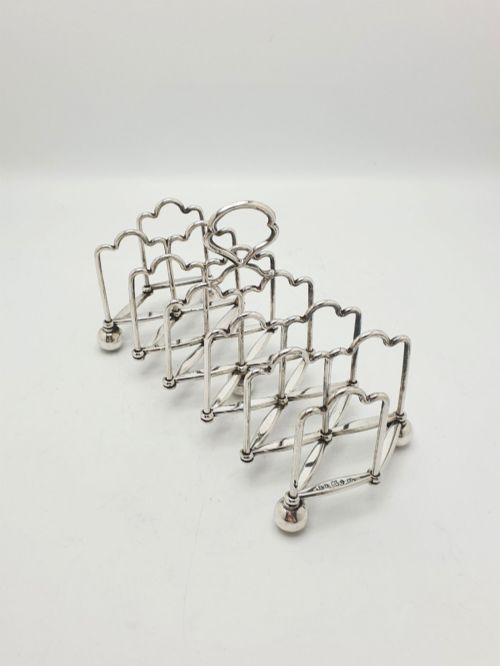
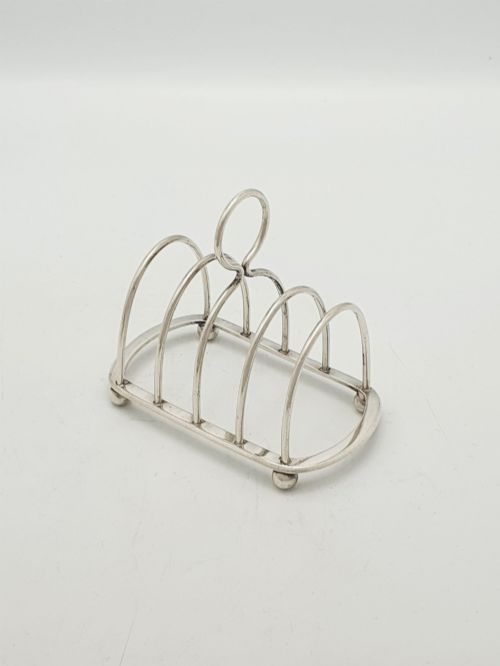
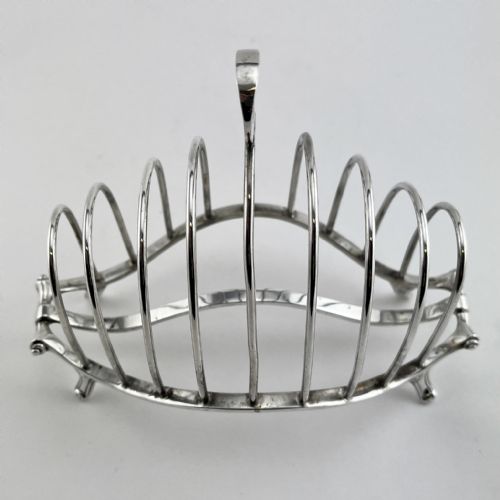
A victorian silver toast rack is a specialised table accessory designed to hold slices of toast upright on wire dividers, keeping the crusts crisp and preventing condensation between pieces. The pieces available range from straightforward four-slice and six-slice rectangular forms to grander large-scale designs and novelties.
Most examples date to the Victorian period, though occasional pieces cross into nineteen-hundred, spanning sterling silver and silver-plated metals. Buyers will frequently encounter silver-plated versions alongside solid sterling pieces bearing town assay marks and dates from the middle to the end of the nineteenth century.
Specialist shapes appear alongside traditional arch divisions, including trefoil, gondola, leaf, and heart-shaped handled variations. Novelty designs such as wagons, caravans, and rifles also emerge, showing the breadth of nineteenth-century metalwork beyond the standard dining table service.
Materials and Construction
Makers constructed these racks using solid sterling silver or base metals coated in silver plate, including electroplated nickel silver. Metal rods, wires, and plates were shaped into dividers and frames, often soldered to a central base or incorporated into a rectangular tray shape.
Workshops utilised techniques such as casting for handles and frames, alongside wire-working for the individual arches that separate the bread slices. Some examples combine silver plating with other materials, mounting the metal framework upon mahogany bases.
Retail Price Guide 2026
Typical UK retail prices for victorian silver toast rack, calculated from the Sellingantiques database of over a million retail prices indexed since 2003. This retail price guide relies exclusively on Sellingantiques data; no external sources or auction records are used, so the figures do not describe the wider market.
Materials range from solid sterling silver bearing regional hallmarks down to electroplated nickel silver and silver plate.
Factors of Quality
The distinction between standard and superior pieces rests on the weight of the metal and the rigidity of the construction. Solid sterling silver examples with substantial gram weights and clear hallmarks sit at the upper end, whereas lighter plated wares show more variation in durability.
Design complexity and mechanical ingenuity further separate ordinary domestic items from ambitious pieces. Expanding and collapsible mechanisms require precise engineering to function smoothly, and novelty animal or transport shapes demand greater sculptural skill from the maker.
Nathan and Hayes·William Hutton and Sons·Thomas Campion and Sons·Elkington and Company·The William Devenport·Hukin and Heath·The Atkins Brothers
The Victorian Silver Toast Rack Glossary
- Sterling silver
- A silver alloy containing ninety-two point five percent pure silver by mass, standard for high-quality British dining silver. Hallmarks stamped into the metal verify this standard.
- Electroplated nickel silver
- A base metal alloy of copper, nickel, and zinc coated with a layer of pure silver through an electrolytic process. This method allowed wider households to afford bright table wares.
- Expanding toast rack
- A form featuring a scissor-action or sliding mechanism that allows the dividers to expand or contract. These collapsible designs required careful metalworking to operate reliably.
- Trefoil
- A three-lobed decorative shape often incorporated into the silhouette of the central ring handle or the divider cut-outs. It reflects Gothic Revival tastes popular during the Victorian era.
- Assay office
- An official body responsible for testing the purity of precious metals and stamping them with hallmark symbols. Towns such as London, Birmingham, Sheffield, and Chester operated these offices.
Frequently Asked Questions
How did Victorians use toast racks?
Victorians placed freshly made hot toast directly into the metal dividers immediately upon removal from the hearth or toaster. This prevented the warm bread from sweating on a flat plate and losing its crisp texture during breakfast.
The racks sat centrally on the dining table alongside butter dishes, egg cruets, and tea services. Their open wire design allowed steam to escape freely between the slices.
How do I clean antique silver?
Antique silver and silver plate require gentle maintenance using non-abrasive cloths and dedicated silver cleaning products formulated to preserve the metal. Harsh scrubbing or chemical dips can strip away thin silver plating and damage antique finishes.
Regular handling and soft wiping usually maintain a gentle lustre without needing aggressive polishing. Storing pieces in dry environments prevents rapid tarnish accumulation.
How do I date a silver toast rack?
Dating relies heavily on British hallmarks stamped onto sterling silver pieces, which include date letters, maker marks, and town assay symbols. Comparing these stamped symbols against official hallmarking charts reveals the exact year of manufacture.
Silver-plated items rarely carry date letters, requiring stylistic analysis of the shape, patents, and maker marks to determine their approximate Victorian decade.