


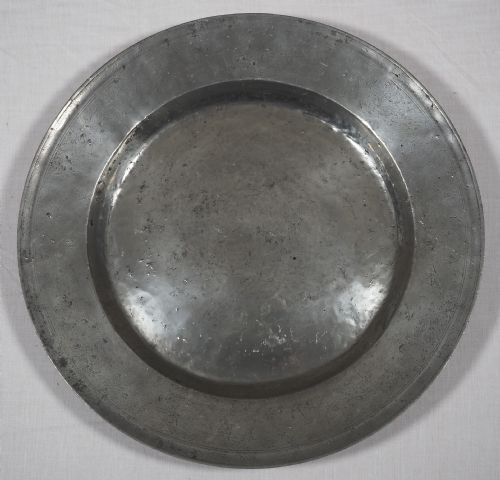

Pewter Wall Plate
These pewter wall plate examples bring centuries of metalwork into domestic spaces, prized for their weight and quiet metallic sheen.
Pewter Wall Plate
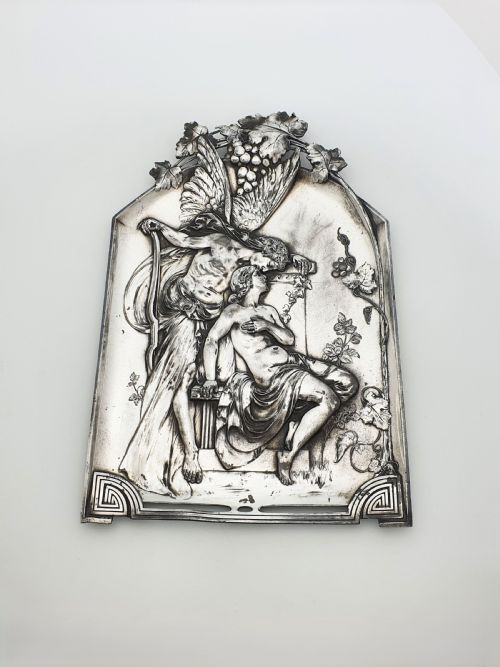
A pewter wall plate is a utilitarian dish or charger adapted for display, appearing in forms such as plain rim plates, broad rim chargers, and commemorative wall plaques.
Buyers seeking a pewter wall plate will encounter examples spanning the seventeenth and eighteenth centuries, alongside later Arts and Crafts and Art Nouveau interpretations.
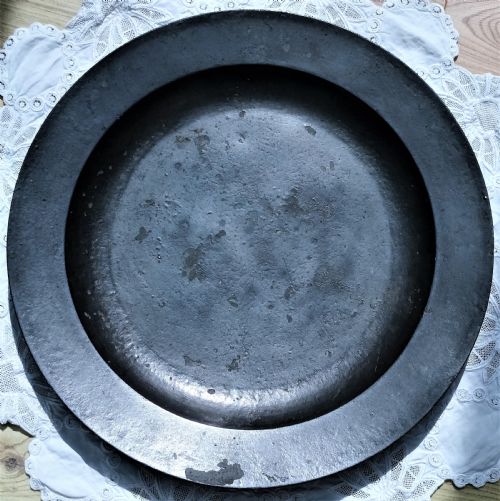
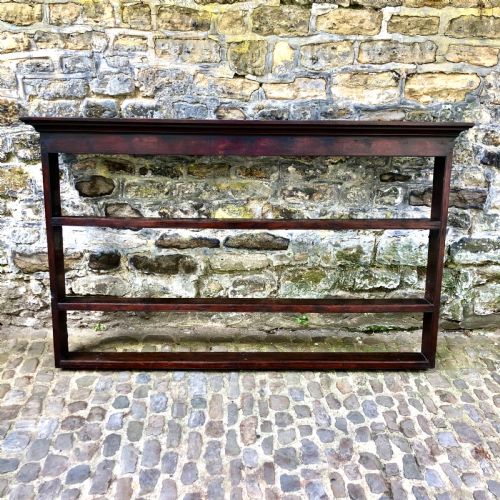
The selection ranges from large Charles II broad rim chargers to smaller Georgian dishes, often accompanied by period oak plate racks designed to hold them.
What varies in quality
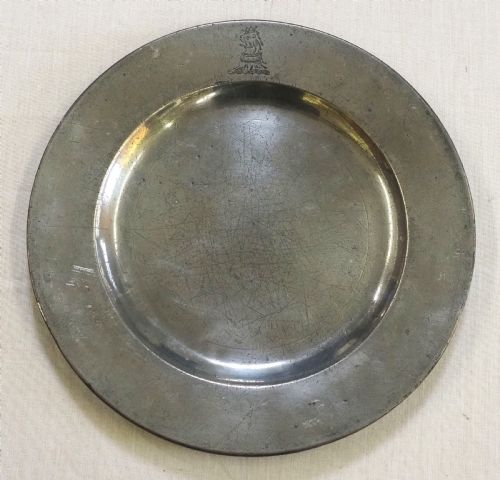
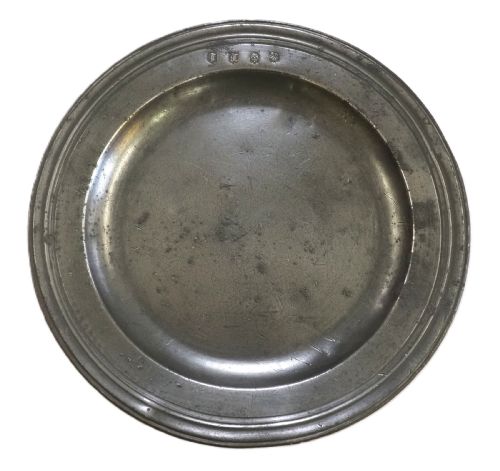
The crispness of maker touchmarks and owner crests stamped into the metal distinguishes superior examples from plain domestic stock.
Scale dictates desirability, with unusually large broad rim chargers representing greater technical ambition than standard dining plates.
Surface preservation, including the retention of original hammer texture and soft oxidation, marks the distinction between fine cabinet pieces and heavily worn items.
Some seventeenth-century chargers preserve deeply personal touches, carrying hand-engraved family crests alongside the maker's formal guild stamp.
Samuel Smith·James Spackman·John Tubb·Lawrence Dyer·Thomas Powell·Nehemiah Cloudesley
The Pewter Wall Plate Glossary
- Charger
- A large ornamental or serving plate, often measuring over twenty inches across and designed for display on a wall or dresser.
- Touchmark
- A stamp impressed into pewter by the maker or guild to indicate origin, standard, and maker identity.
- Reeded rim
- A decorative border featuring parallel raised rings or mouldings around the edge of the plate.
- Broad rim
- A wide flat border surrounding the central well of a charger, typical of seventeenth-century domestic metalwork.
Pewter Wall Plate: Frequently Asked Questions
How do I hang a heavy charger?
Large chargers require robust wall fixings and specialised metal hangers that distribute the weight evenly across the rim without causing stress fractures.
Alternatively, many collectors display them upright in period oak plate racks or dresser shelves designed specifically for deep platters.
How do I clean old pewter?
Old pewter benefits from gentle washing with warm water and mild soap, followed by thorough drying with a soft cloth to prevent spotting.
Aggressive metal polishes strip away the aged surface and dark patina that collectors value on seventeenth and eighteenth-century examples.
How do I identify a maker?
Makers typically struck touchmarks into the soft metal near the rim or base of the plate, often accompanied by individual hallmarking details.
Reference volumes correlate these stamps with historical records to confirm the workshop and approximate production decade.
What is the difference between a plate and a charger?
Plates are smaller dining vessels intended for individual food service, whereas chargers are substantially larger platters meant for communal service or display.
In seventeenth and eighteenth-century households, chargers functioned primarily as status pieces mounted on walls or dressers.