




Antique Pewter Wall Dish
An antique pewter wall dish brings heavy metal and centuries of domestic history straight into your room.
Antique Pewter Wall Dish
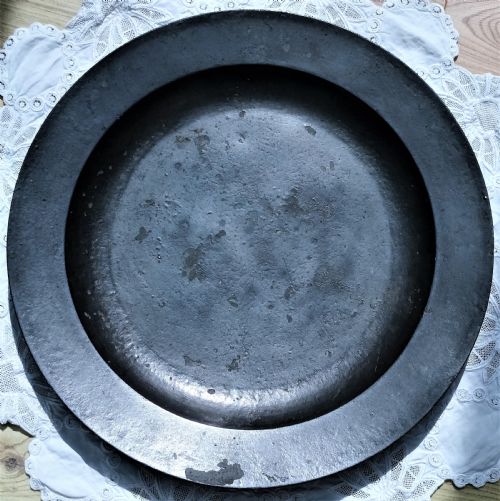
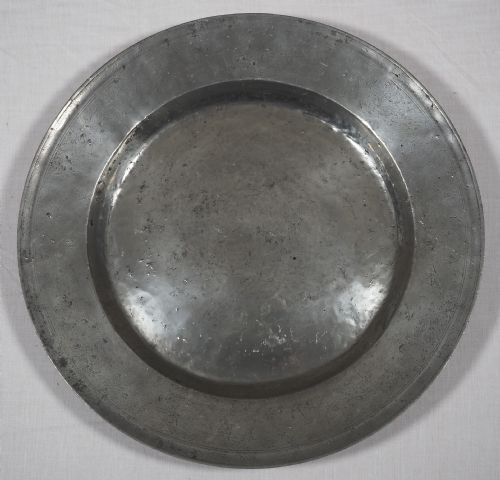
When you search for an antique pewter wall dish, you encounter large chargers, broad rim plates, and commemorative vessels fashioned for display. The pieces met most often on this page span the seventeenth and eighteenth centuries, originating from English workshops with substantial diameters.
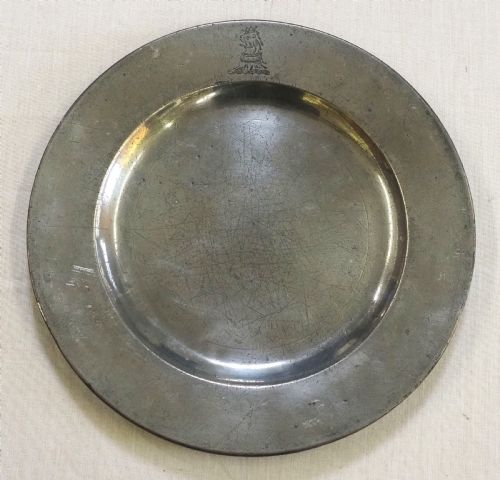
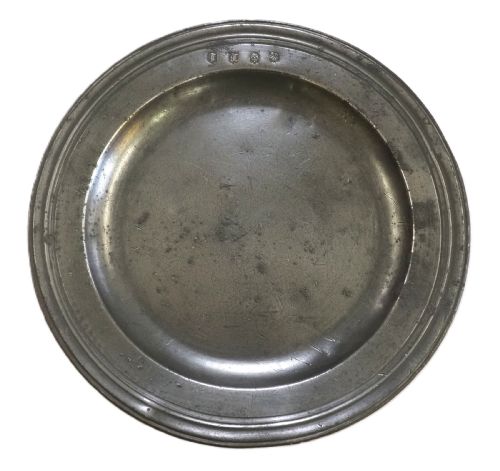
Forms range from plain rim plates and triple reeded designs to heavily hammered chargers bearing family crests. You also find Arts and Crafts wall plates alongside Continental examples, such as Dutch hanging wall dishes.
These items served primarily as status symbols in domestic spaces, hung on walls or set on dressers to catch the light. Their presence combines utilitarian alloy with heraldic engraving and commemorative portraiture.
What varies in quality
The distinction between ordinary plates and exceptional chargers lies in scale, weight, and the crispness of initial casting. Broader rims and heavier gauge metal command attention through sheer presence and tactile heft.
Provenance and personalisation elevate certain examples above standard utility wares. Pieces bearing distinct family crests or named maker marks demonstrate higher workshop status than anonymous domestic plates.
One Dutch household apparently needed quick access to soap or salt right on the wall.
Samuel Smith·James Spackman·John Tubb·Lawrence Dyer·Thomas Powell·Nehemiah Cloudesley
The Antique Pewter Wall Dish Glossary
- Charger
- A large ornamental or serving plate, typically exceeding sixteen inches in diameter, designed for display on a wall or sideboard. These form the architectural core of early pewter collections.
- Broad rim
- A wide flat border surrounding the central well of a plate or dish. Seventeenth-century chargers often feature exceptionally wide rims to accommodate heraldic engraving.
- Triple reeded
- A rim decorated with three parallel raised concentric rings or mouldings. This decorative profile appears frequently on late seventeenth-century English plates.
- Hanging wall dish
- A vessel fitted with an integral loop or aperture for suspension on vertical surfaces. Dutch domestic examples often served for salt or soap storage.
- Crest
- An engraved or cast heraldic device representing a family or lineage. Master metalsmiths incised these symbols directly into the broad rim of the dish.
Antique Pewter Wall Dish: Frequently Asked Questions
How do I clean antique pewter?
Dust the surface gently with a soft dry cloth to remove airborne particles. Avoid harsh chemical polishes that strip away the dark historical patina accumulated over centuries.
Leave the dull grey oxidation untouched, as collectors prize the aged surface. Excessive shining reduces both the visual depth and historical integrity of the piece.
How can I tell seventeenth-century chargers apart from later ones?
Seventeenth-century examples typically feature much wider rims and heavier hammer marks resulting from manual production. They often bear touchmarks and broad proportions distinct from eighteenth-century standard plates.
Later pieces tend toward thinner gauge metal and standardised moulding profiles. Examining the weight and rim width offers immediate clues to the manufacturing decade.
Did people use these dishes for food?
Early broad rim chargers functioned primarily as display pieces rather than everyday dining vessels. Their size and heraldic engraving marked wealth and social standing within the home.
Smaller plates saw occasional table use, but wall dishes existed mainly for visual impact. Their survival in good condition stems from this decorative purpose.