
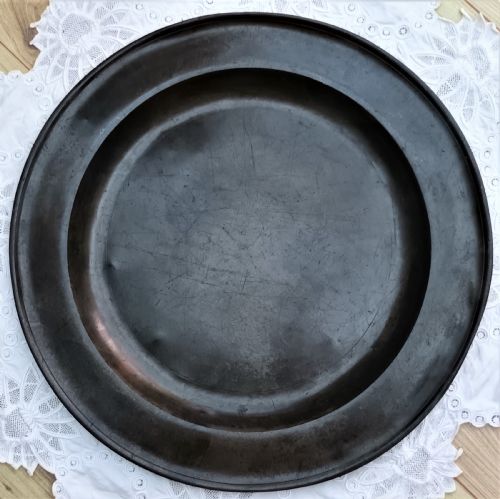
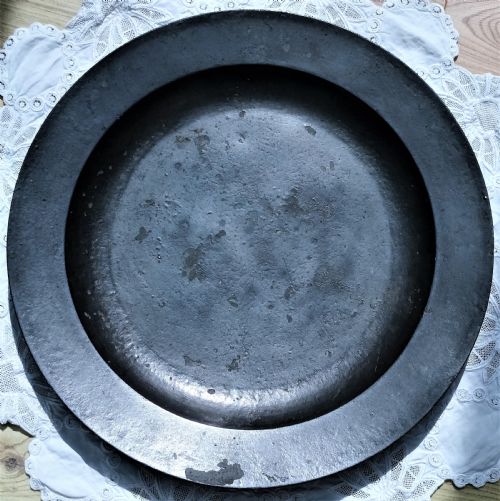
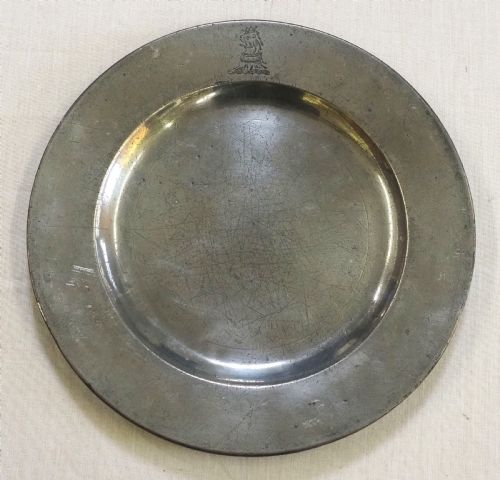
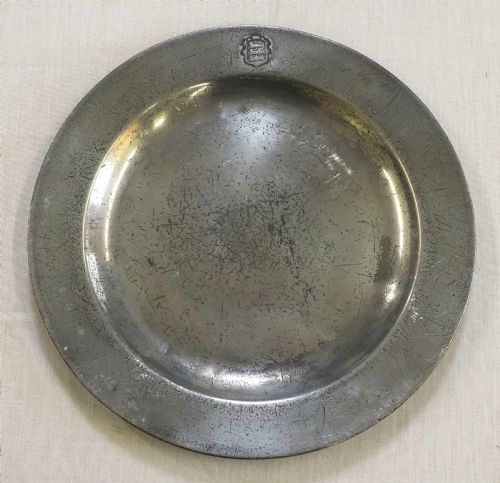




Pewter Metalware Charger
These pewter metalware chargers are substantial historic serving dishes cast in durable tin alloys to anchor a traditional table.
Pewter Metalware Charger
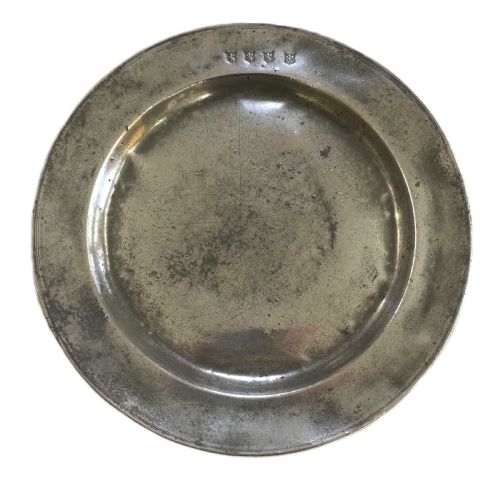
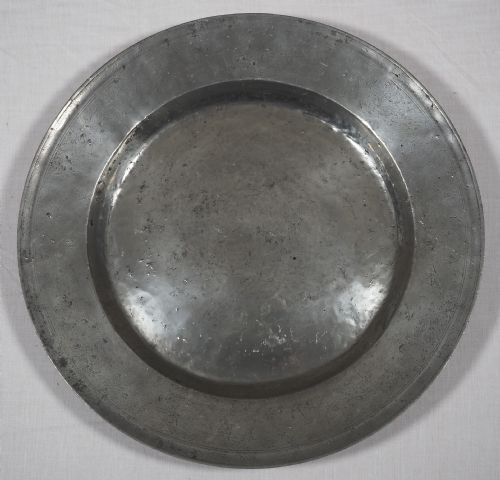
A pewter metalware charger is a large, flat dish designed for communal service or grand display during dinner in earlier centuries. The pieces collected under this heading range from broad rim formats of the seventeenth century to plainer Georgian dishes.
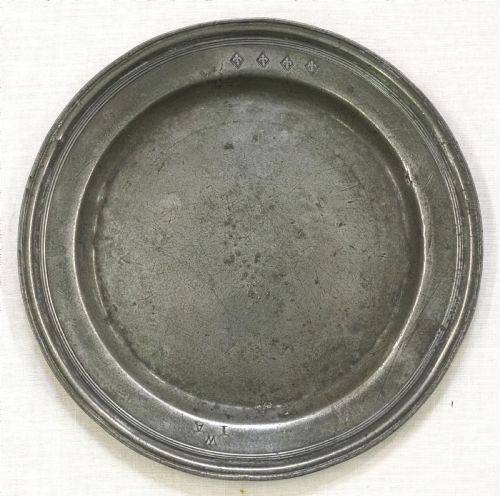
Most examples found on this page hail from English workshops, spanning periods from the Charles II era through the eighteenth century. Collectors frequently encounter plain rim plates, multiple reeded edges, and impressive chargers bearing engraved family crests or coats of arms.
Materials and construction
These items are fashioned entirely from pewter, a malleable metal alloy composed primarily of tin combined with lead, copper, or bismuth. Craftsmen cast the molten metal in moulds before finishing the surface by hand.
Many early specimens display evidence of hand hammering across the surface to harden the alloy and achieve a smooth expanse. Edge treatments such as single reeds, multiple reeds, incised lines, or wavy borders are shaped directly into the metal.
The listings span the seventeenth and eighteenth centuries, featuring English and European pewter shaped into plain, reeded, and incised rims.
Judging quality
Quality rests in the crispness of maker touchmarks stamped into the metal and the original thickness retained in the rim and well. Heavy broad rims that maintain their intended flatness without sagging denote superior initial casting.
Engraved heraldry, crests, and coats of arms executed with sharp detail elevate the historical standing of a charger. Pieces that preserve tool marks from the original manufacturing process demonstrate greater tactile integrity.
John Duncomb·Samuel Smith·James Spackman·Wood & Michell·John Trapp II·Robert Moulins II·Thomas Templeman·Lawrence Dyer·Thomas Haward·Richard Chambers
The Pewter Metalware Charger Glossary
- Charger
- A large circular plate or dish, typically exceeding sixteen inches in diameter, used historically for serving meat or as a base plate for smaller courses.
- Broad rim
- A wide outer border surrounding the central well of a charger, characteristic of seventeenth century English metalware.
- Reeded rim
- A decorative border featuring one or more parallel raised mouldings encircling the edge of the plate.
- Touchmark
- An identifying stamp or hallmark struck into the pewter by the maker or workshop to certify standard and origin.
- Platter
- A large serving dish, often oval or rectangular, used alongside circular plates.
Pewter Metalware Charger: Frequently Asked Questions
How were pewter chargers used originally?
These large dishes served as central platters for meat or communal dining before individual place settings became standard practice in wealthy households. They also functioned as decorative chargers placed beneath finer courses.
Over time, many found their way onto sideboards or walls to display family crests and polish.
How do I identify a seventeenth century charger?
Seventeenth century pieces typically feature exceptionally broad flat rims relative to the central well. They often display hammered surfaces and early maker touchmarks.
Later eighteenth century examples tend toward narrower rims and plainer profiles without heavy hammering.
Should I polish my antique pewter?
Polishing antique pewter removes the dark grey oxidation and historic patina that collectors value. Most prefer to leave the metal untouched.
Gentle cleaning with mild soap and water removes harmful dirt without stripping the age.
What do touchmarks tell us?
Touchmarks act as signatures stamped by the metalsmith to guarantee the alloy met guild standards. They often record the maker's initials or surname.
Reference books help match these stamps to specific workshops and operating dates.