
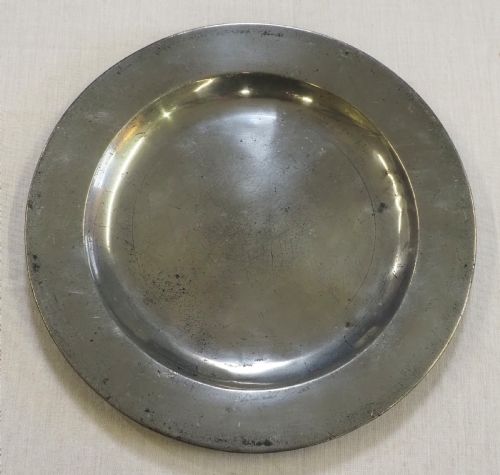
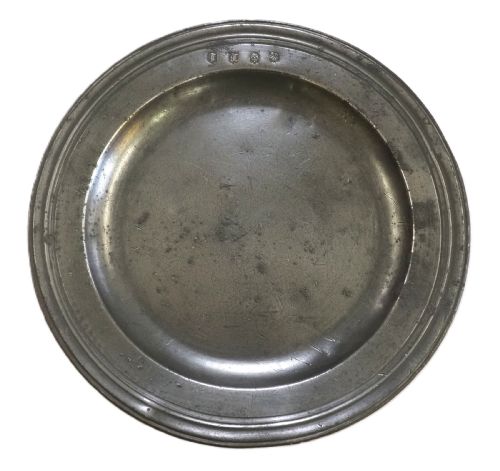


Pewter Display Platter
These pewter display platter items are substantial metal dishes designed to showcase fine craftsmanship, offering any interior a touch of historic English character.
Pewter Display Platter
When you search for a pewter display platter, you encounter large metal serving dishes and chargers originating from periods ranging from the seventeenth century through the Georgian era and into the twentieth century. These objects include plain rim plates, triple reeded chargers, and decorative serving trays spanning different centuries of English metalwork.
The pieces most frequently met on this page are substantial chargers and dishes featuring plain or reeded rims, often bearing maker marks from London pewterers. Examples stretch from Charles II broad rim chargers to later Arts and Crafts serving trays by Liberty and Co.
Forms vary from smaller plates measuring under ten inches to massive twenty-two inch chargers, some displaying engraved family crests or all-over hammering. The selection demonstrates the enduring domestic utility and decorative display function of heavy metal tableware across multiple historic periods.
How they were made
These items are fashioned entirely from pewter, a traditional metal alloy shaped into plates, dishes, and chargers through casting and hammering techniques. Makers utilised moulds to form the basic platter body before finishing the surfaces by hand.
Detailing often involves reeded rims, where concentric raised rings are worked into the metal edge, alongside plain rims or broad borders. Certain examples exhibit extensive all-over hammering, which hardens the alloy and creates distinctive surface textures.
Pewter Display Platter Retail Price Guide 2026
Typical asking prices for pewter display platter among the pieces listed under this phrase on Sellingantiques today, from the lower quarter to the upper quarter. They describe what is for sale here now, not the wider market.
Some chargers bear the deep impressions of ancient family crests, silently witnessing centuries of grand dining rooms.
What varies in quality
Quality in these items relates to the crispness of touchmarks, the weight and thickness of the metal plate, and the integrity of the original rim form. Heavier chargers with deep hammering or clear maker stamps demonstrate superior workshop execution.
The presence of engraved family crests or provenance details adds historical interest to specific pieces. Preservation of the original surface texture without excessive polishing distinguishes better-surviving examples from heavily worn specimens.
Richard King of London·John Tubb·Liberty and Co·Thomas Alderson·Thomas Templeman of London·Lawrence Dyer·Thomas Haward·Thomas Powell·Nehemiah Cloudesley·John Barlow·S Duncomb
The Pewter Display Platter Glossary
- Charger
- A large decorative or serving plate, typically measuring twenty inches or more in diameter, used historically on sideboards or dining tables.
- Reeded rim
- A border decorated with parallel raised bands or rings. Triple reeded examples feature three distinct concentric ridges.
- Broad rim
- A wide flat border surrounding the central well of a plate or charger, common on seventeenth-century pieces.
- Touchmark
- An identifying stamp impressed into the metal by the maker or workshop to denote quality and origin.
- Plain rim
- A flat, undecorated border surrounding the central dish without any moulded or reeded embellishments.
Pewter Display Platter: Frequently Asked Questions
What is a pewter charger?
A pewter charger is a large metal plate originally utilised for serving food or for display on sideboards in wealthy households.
Over time, these heavy pieces transitioned primarily into decorative display items due to their impressive size and visual presence.
How do I date a pewter platter?
Dating relies on stylistic clues such as rim width, manufacturing techniques, and maker touchmarks recorded in pewterers' registers.
Earlier pieces from the seventeenth century often feature broad rims and heavy hammered construction, while eighteenth-century examples tend towards plain or reeded rim formats.
How do I clean old pewter?
Historic pewter generally requires minimal intervention to preserve its natural oxidized surface and dark grey patina.
Aggressive polishing removes evidence of age and can damage the soft metal alloy, so gentle dusting or specialist conservation care is preferred.
Where were these platters made?
The pieces listed originate predominantly from English workshops, with several connected to London makers spanning the seventeenth and eighteenth centuries.
Later examples include twentieth-century Arts and Crafts production from notable firms like Liberty and Co.
Can I use these for serving food?
While originally created for domestic dining and serving functions, historic pieces are primarily treated as decorative objects today.
Older pewter often contains varying metal compositions that make modern culinary use impractical or discouraged.