
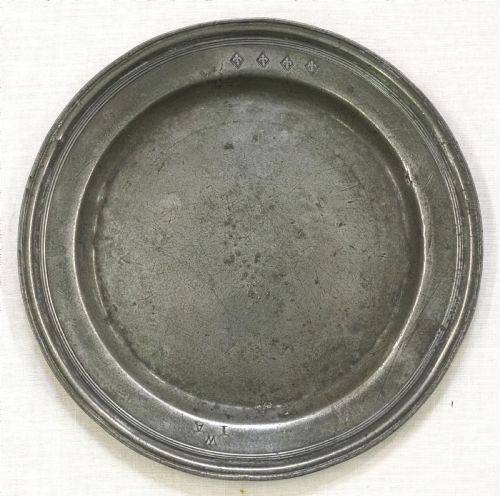


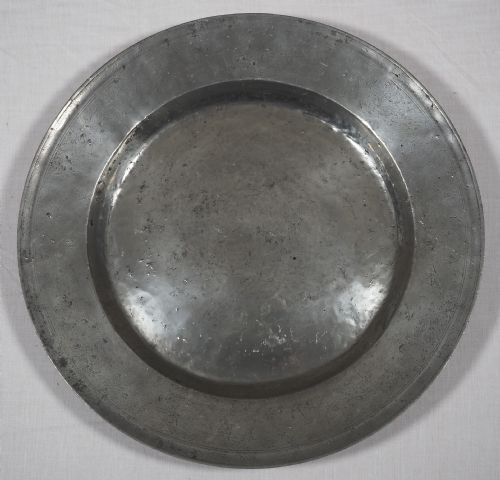


Broad Rim Pewter Dish
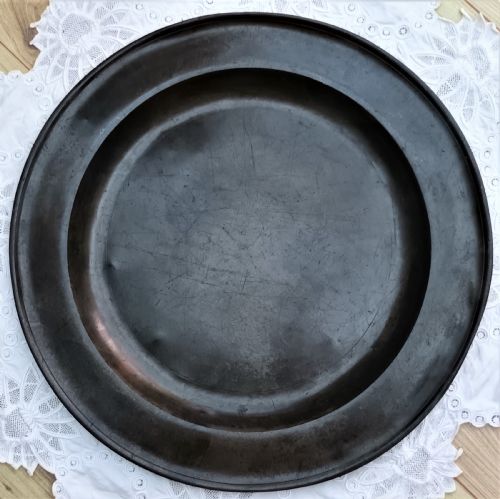
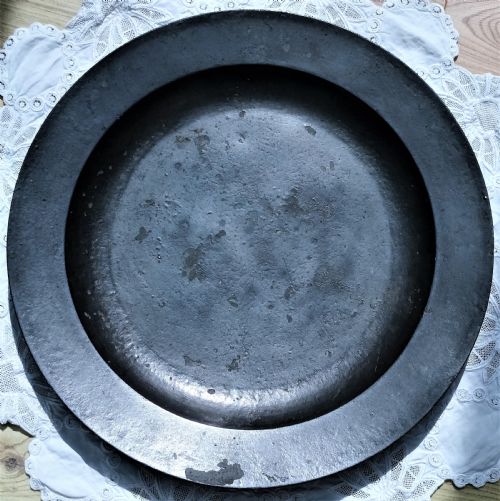
A broad rim pewter dish carries the heavy presence of seventeenth and eighteenth century English domestic life.
Broad Rim Pewter Dish
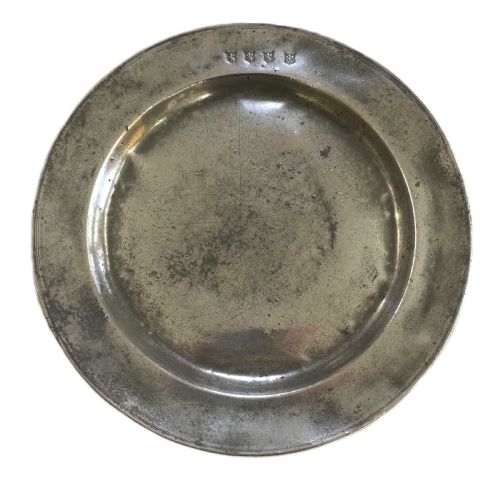
A broad rim pewter dish sits as a substantial flatware form, often catalogued as a charger, plate, or platter. These pieces span the seventeenth century, the Stuart, Charles II, William and Mary, and Georgian periods.
The most likely version to meet on this page is a wide-bordered English format, measuring from moderate plate dimensions up to imposing chargers exceeding twenty inches. They emerge primarily through English country house provenances and seventeenth-century workshops.
How they were made
These items are shaped from pewter, an alloy of tin combined with lead or copper to give a durable yet workable metallic body. Makers formed the wide rims through casting and hammering techniques, leaving distinct tool marks on the surface.
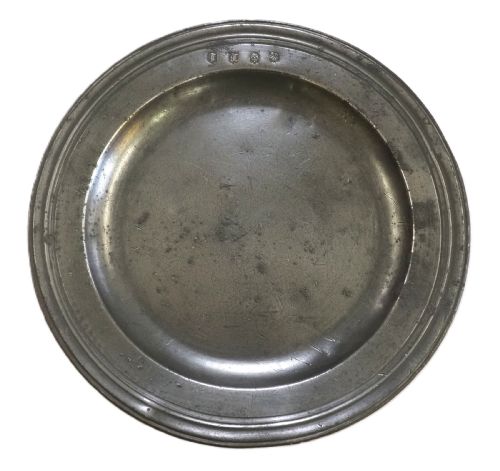
Detailing was added through triple reeding, multiple reeding, or scarce incised rims cut directly into the metal. Certain examples display all-over hammering across the broad surfaces to harden and texture the alloy.
Some chargers bear the scars of centuries past, including family crests that outlived the dynasties who commissioned them.
What varies in quality
The distinction between tiers rests upon the breadth of the rim, the crispness of reeding, and the presence of contemporary heraldry such as family crests. Scale dictates much of the desirability, with twenty-inch chargers commanding greater visual weight.
Maker marks, touchmarks, and touchplates stamped into the metal elevate an item from anonymous utility to identified craftsmanship. The survival of original surface texture without excessive polishing marks separates finer examples from standard domestic stock.
John Duncomb·Samuel Smith·John Trapp II·John Tubb·Robert Moulins II·Lawrence Dyer·Thomas Haward·Thomas Powell·Edward Leapidge I
The Broad Rim Pewter Dish Glossary
- Charger
- A large ornamental or serving dish, typically exceeding sixteen inches in diameter. These substantial vessels formed the centrepiece of early dining arrangements.
- Broad rim
- The wide, flat border surrounding the central well of the dish. This expansive surface allowed makers to display reeding, incising, and armorial crests.
- Reeded
- Decorated with parallel raised mouldings or bands. Triple reeding and multiple reeding add linear definition to the plate border.
- Touchmark
- An official stamp impressed by a pewterer to indicate their identity and adherence to guild standards. These marks help historians attribute pieces to specific makers.
- Incised rim
- A border decorated by hand-cut lines rather than cast mouldings. This technique appears on scarce seventeenth-century plates.
Broad Rim Pewter Dish: Frequently Asked Questions
How were broad rim pewter dishes used?
These dishes served both functional dining roles and formal display purposes within wealthy households. Large chargers anchored the dining table for meat courses while smaller plates handled daily sustenance.
Over time, owners also hung them on walls or set them on sideboards to display their metallic lustre and family crests.
How do I tell seventeenth century pieces apart from Georgian ones?
Seventeenth-century examples often feature wider rims, hand-beaten surfaces, and multiple reeding associated with Stuart and Charles II aesthetics. Maker touchmarks from this era follow early guild practices.
Georgian pieces tend toward cleaner lines and standard platters, reflecting changing domestic dining habits of the eighteenth century.
What does a family crest on a charger mean?
Engraved crests or coats of arms indicate that the dish was commissioned by or for a specific landed family. Skrymshire family crests and similar heraldic markings personalise the vessel.
These additions transform standard tavern or household ware into a specific historical commission tied to a lineage.
How should I clean my pewter dish?
Historic pewter requires gentle care to preserve the dark patination accumulated over centuries. Dusting with a soft cloth keeps the surface stable.
Harsh metal polishes strip away the aged skin that collectors value, so active cleaning should be avoided entirely.