

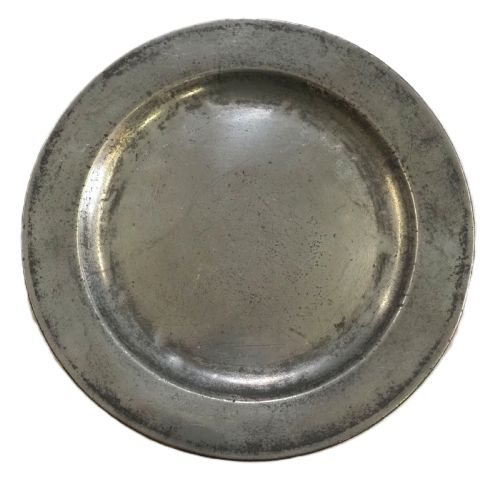


Grey Pewter Platter
A grey pewter platter brings centuries of tactile English history to the table, offering a heavy, cool metallic surface designed for service and display.
What a grey pewter platter is
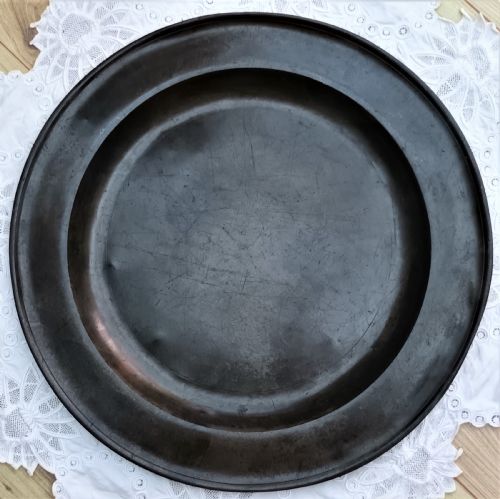
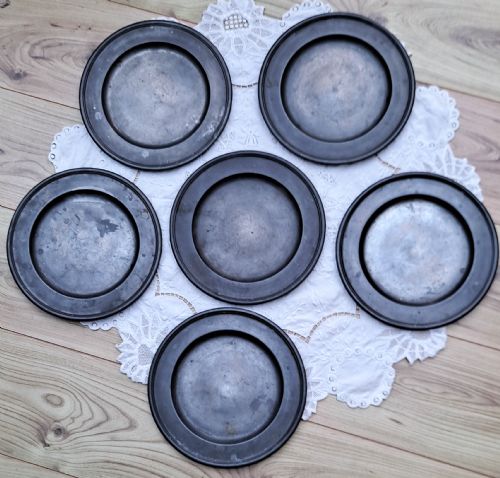
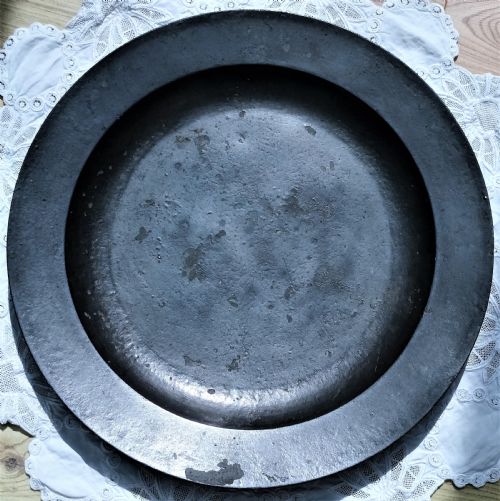
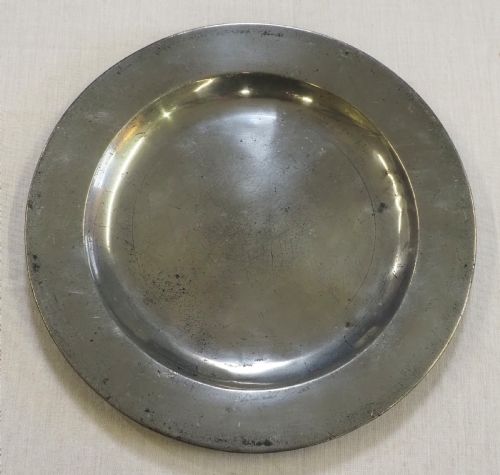
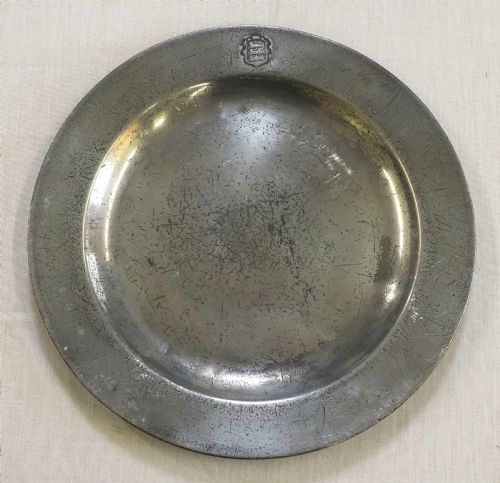
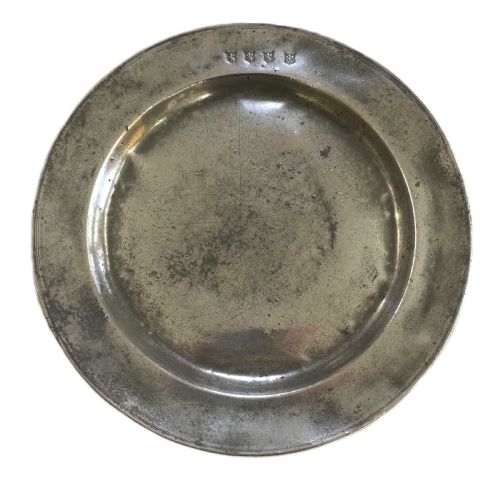
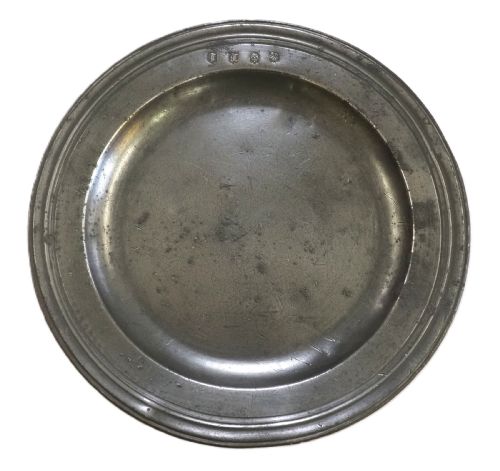
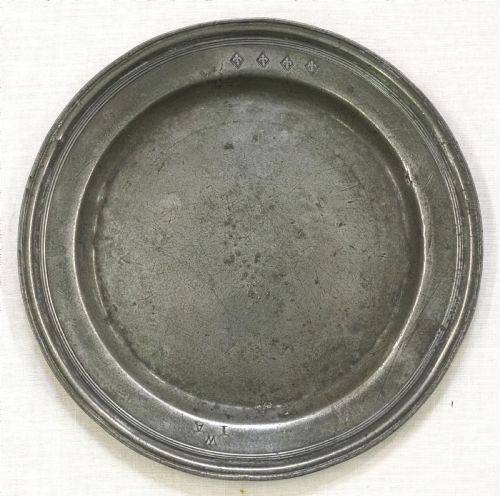
A grey pewter platter is a substantial serving vessel shaped as a charger or large dish, appearing across the seventeenth and eighteenth centuries in English dining rooms. These pieces function primarily as serving trays or display chargers, showcasing broad rims and deep wells.
The versions most commonly met on this page span from William and Mary triple-reeded examples to Georgian plain rim chargers and Arts and Crafts serving trays. Each piece demonstrates the enduring utility of metalware designed for grand domestic hospitality.
How they were made
These items are fashioned entirely from pewter, a traditional alloy shaped into large platters and chargers. Smiths employed hammering techniques across the surface, as seen in the hammered-all-over finishes recorded in seventeenth-century production.
Makers finished the metal with distinctive details such as incised rims and multiple reeded borders. Such methods required steady manual skill to shape heavy metal plates into balanced, functional serving trays.
Retail Price Guide 2026
Typical UK retail prices for grey pewter platter, calculated from the Sellingantiques database of over a million retail prices indexed since 2003. This retail price guide relies exclusively on Sellingantiques data; no external sources or auction records are used, so the figures do not describe the wider market.
Every heavy charger carries the ghost thumbprints of the smith who hammered it into shape centuries ago.
What varies in quality
Quality rests upon the crispness of the rim details, such as the precision of triple reedings or the neatness of incised borders, alongside the overall weight of the metal. Heavier platters with deliberate hammer work represent a more ambitious standard of production than plain, lightweight alternatives.
The presence of maker marks stamped into the metal elevates a piece by anchoring its origin to known workshops. The integrity of the surface and the preservation of the original grey metallic tone also distinguish standard domestic items from superior survivals.
John Duncomb·Liberty And Co·Thomas Powell·John Barlow
The Grey Pewter Platter Glossary
- Charger
- A large decorative or serving dish, typically placed under smaller plates during formal meals or used independently to present food.
- Pewter
- A malleable metal alloy composed principally of tin, combined with copper, antimony, or lead to provide durability for domestic vessels.
- Reeded
- Decorated with parallel raised ridges or mouldings running along the rim of a dish or tray.
- Incised rim
- A border adorned with sharp, linear cuts or grooves pressed into the metal surface by the maker.
Frequently Asked Questions
How were these platters used?
These platters were primarily utilised for serving substantial joints of meat or presenting dishes at formal tables. Their generous size and sturdy composition suited the heavy demands of historic domestic hospitality.
Over time, many of these vessels shifted from active dining service to being displayed upright on sideboards or walls.
How do you date a pewter platter?
Dating relies on stylistic markers such as rim profiles, including triple reeding or plain borders, alongside manufacturing techniques like overall hammering. Maker touches and touchmarks stamped into the metal often provide specific chronological anchors.
Comparing the weight, form, and rim construction against documented historical examples helps narrow the period of creation.
How do you care for pewter?
Pewter requires gentle cleaning with mild soap and warm water, followed by immediate drying with a soft cloth to preserve the metal. Avoid harsh abrasives and chemical polishes that can strip away the historic grey surface patina.
Storing pieces in a stable environment away from excessive moisture protects the alloy from pitting and corrosion.