

Antique Pewter Metalware
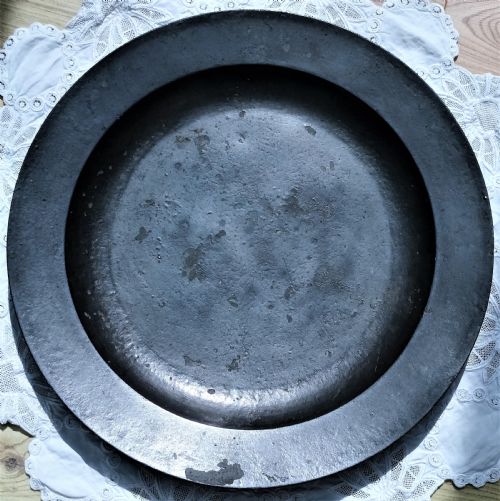
Selecting antique pewter metalware brings domestic history into focus, offering everything from 17th-century broad rim chargers to Art Nouveau vessels shaped by metalworkers.
Antique Pewter Metalware
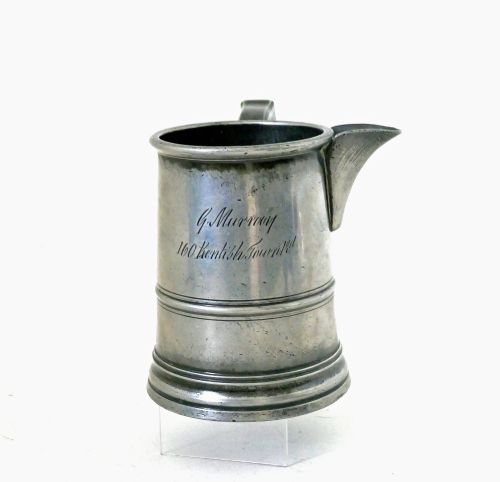
Buyers exploring antique pewter metalware encounter a broad functional spectrum, spanning everyday tableware to specialised drinking vessels and decorative items. Platters, chargers, plates, flagons, pitchers, jugs, and spirit measures dominate the domestic forms produced across Britain and Continental Europe.
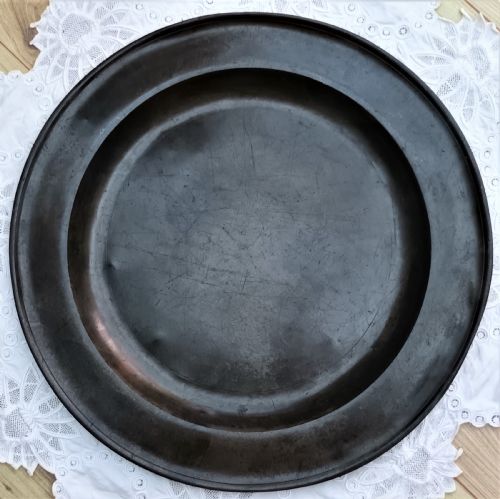
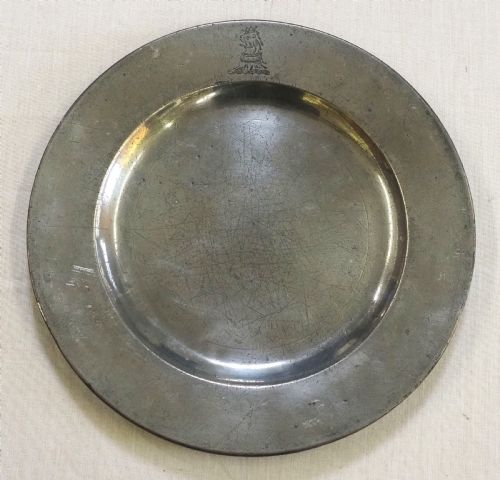
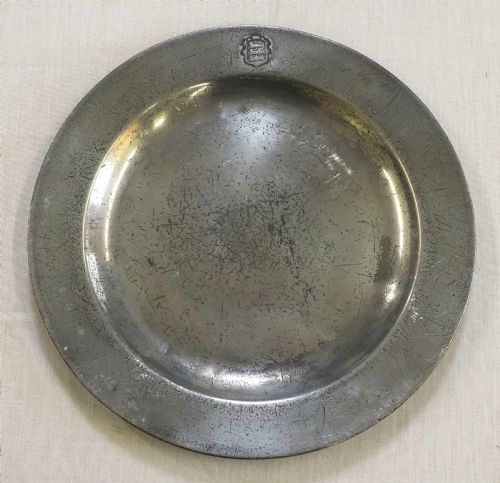
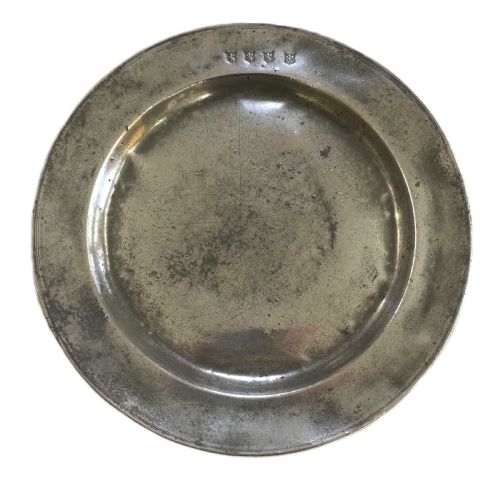
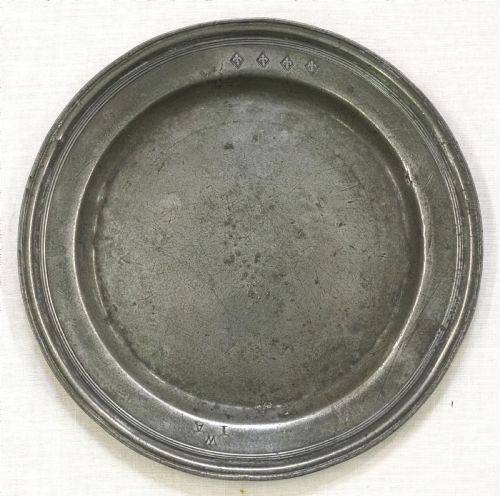
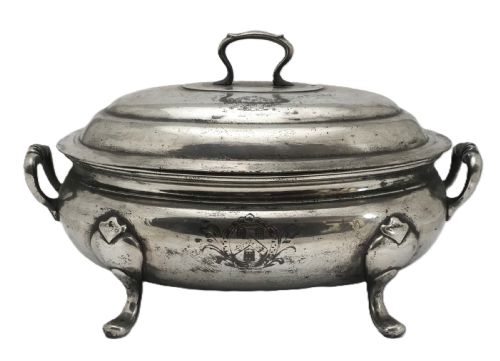
Pieces from the seventeenth and eighteenth centuries, including broad rim chargers and plain rim plates, frequently bear touchmarks or family crests that record their origins. Later nineteenth-century examples often shift toward utilitarian measures or ornate French and English decorative wares.
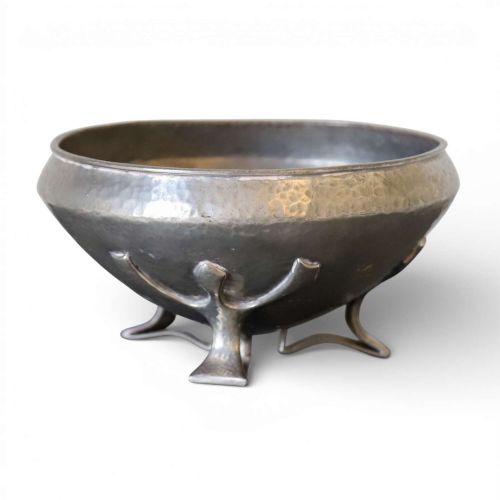
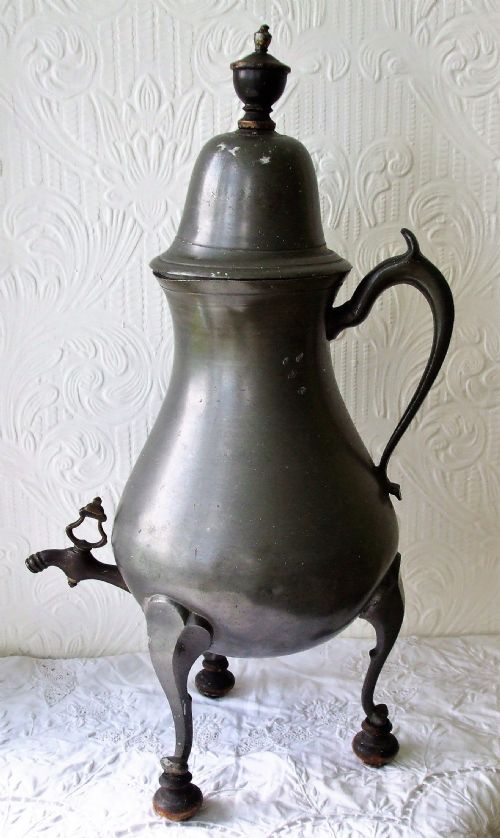
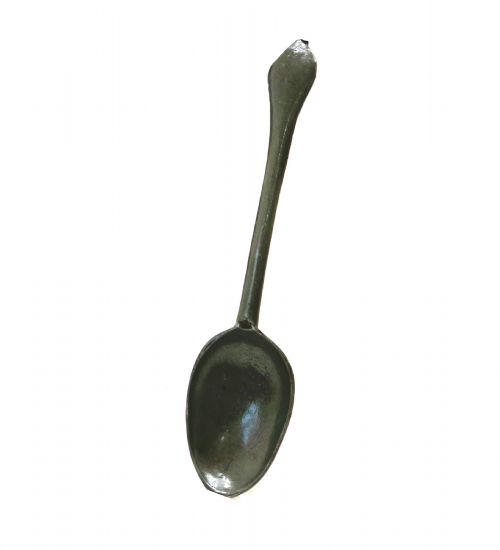
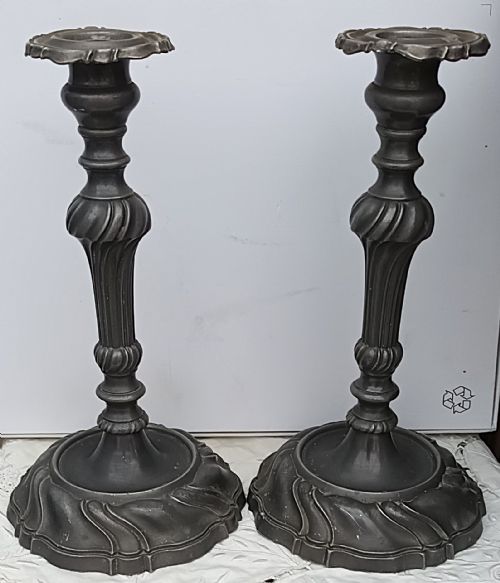
Arts and Crafts and Art Nouveau items introduce sculptural designs, trays, bowls, and candelabra executed in silvered pewter and Britannia metal. The selection ranges from early single spoons and lidded flagons to substantial tureens and coffee urns.
Materials and construction techniques
The primary material across these objects is pewter, an alloy traditionally composed of tin combined with lead, copper, or antimony, alongside related compounds like Britannia metal and silvered pewter. Iron, wood, and enamel appear occasionally as supplementary elements in handles, inserts, or applied decoration.
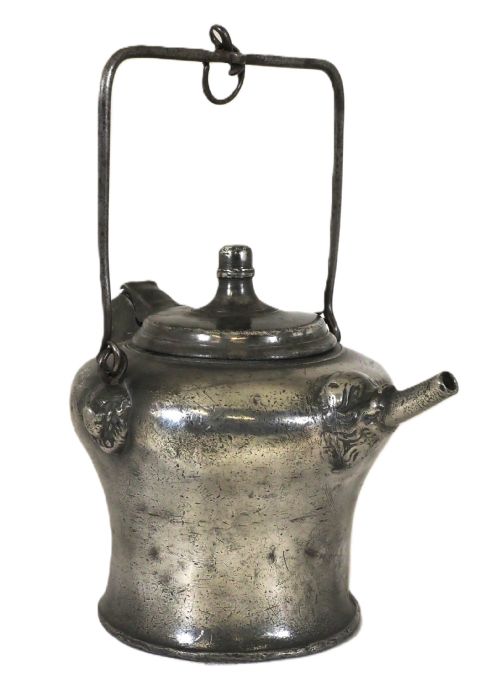
Early plates and chargers often show evidence of hammering, reeding along the rim, and lathe turning during production to achieve structural rigidity. Later continental and British pieces incorporate cast spouts, applied handles, and soldered construction for holloware items such as flagons and jugs.
Antique Pewter Metalware Retail Price Guide 2026
Typical asking prices for pewter metalware among the pieces listed under this phrase on Sellingantiques today, from the lower quarter to the upper quarter. They describe what is for sale here now, not the wider market.
Listings include items spanning the seventeenth, eighteenth, nineteenth, and early twentieth centuries, featuring materials from standard pewter to silvered pewter and Britannia metal.
Evaluating quality and craftsmanship
Quality rests upon the weight of the metal, the crispness of touchmarks or maker stamps, and the integrity of the original form. Heavy gauge metal on early chargers and well-defined cast details on later decorative work indicate superior workshop standards.
The survival of original surface patination, clear armorial engravings, and maker attributions elevate an example above standard utilitarian production. Subtle variations in rim profiles, such as multiple reeding or incised borders, separate ordinary domestic items from pieces produced by skilled makers.
John Duncomb·Samuel Smith·James Spackman·Wood & Michell·John Trapp II·Robert Moulins II·Robert Iles·Thomas Templeman·Lawrence Dyer·Thomas Haward·Edward Leapidge·John Hulls·William Wright·Oliver Baker·William Box
The Antique Pewter Metalware Glossary
- Charger
- A large circular dish, typically measuring over sixteen inches, used for serving food or as a display piece on a table or sideboard.
- Touchmark
- An official stamp impressed by a maker or guild into the pewter surface to indicate standard composition and workshop origin.
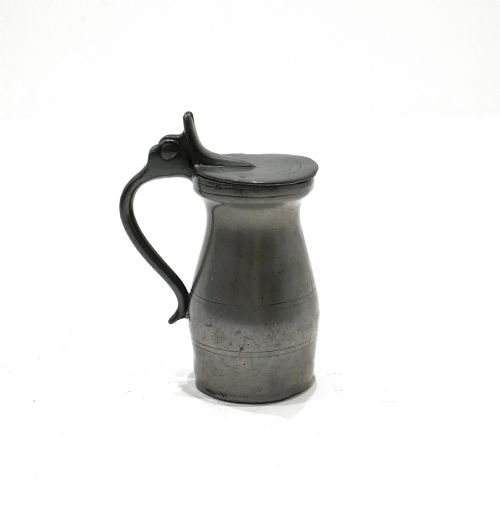
- Tappit Hen
- A traditional Scottish pewter drinking measure featuring a lid with a thumbpiece and a distinct pear-shaped body.
- Reeding
- Parallel raised rings or mouldings encircling the rim of a plate or dish, characteristic of late seventeenth-century production.
- Britannia metal
- A specific tin-based alloy containing antimony and copper, utilised primarily for manufactured domestic wares from the late eighteenth century onward.
Antique Pewter Metalware: Frequently Asked Questions
What is an antique pewter charger?
A charger is a large circular plate or dish produced mainly during the seventeenth and eighteenth centuries for dining or display. These heavy vessels often feature broad rims and display maker touchmarks or family crests.
They served as central elements of household silver and metal service before ceramic dinnerware became dominant. Surviving examples demonstrate the weight and hammering techniques of period metalworkers.
How do I identify early pewter marks?
Makers and guild wardens stamped touchmarks directly into the metal surface to guarantee alloy quality and workshop origin. These small stamps often include initials, symbols, or town marks that help reference documented smiths.
Consulting historical records allows collectors to match these marks with specific makers operating in London, provincial towns, or continental workshops.
What is a Tappit Hen measure?
A Tappit Hen is a traditional Scottish pewter drinking vessel designed with a lid, a thumbpiece, and a capacity equivalent to a Scots pint. These jugs served liquid measures in taverns and households.
Their characteristic pear-shaped form and substantial weight make them recognizable among regional British metalware.
How should I clean antique pewter?
Antique pewter requires minimal intervention to preserve its historical surface and dark grey oxidation patina. Gentle washing with warm water and mild soap removes surface dirt safely.
Avoid abrasive polishes or harsh chemical cleaners, as these strip away the aged skin that collectors and dealers value.