
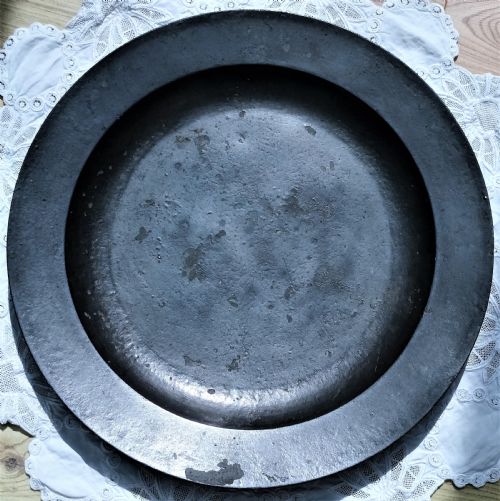
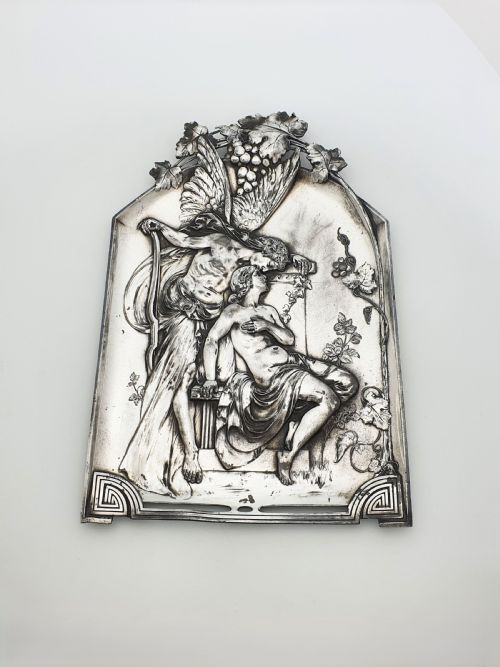


Antique Metal Wall Plate
An antique metal wall plate brings texture, history and craftsmanship to a room through beaten copper, glowing enamel or heavy pewter.
Antique Metal Wall Plate
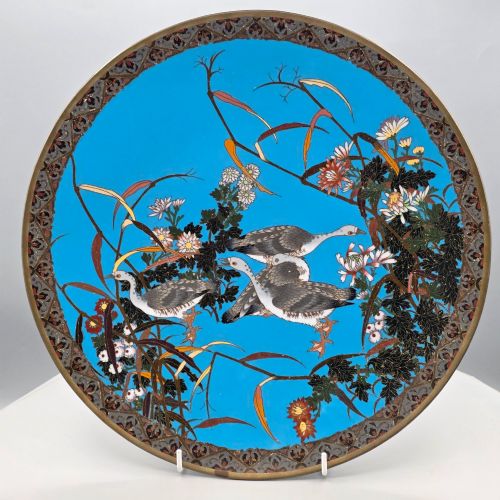
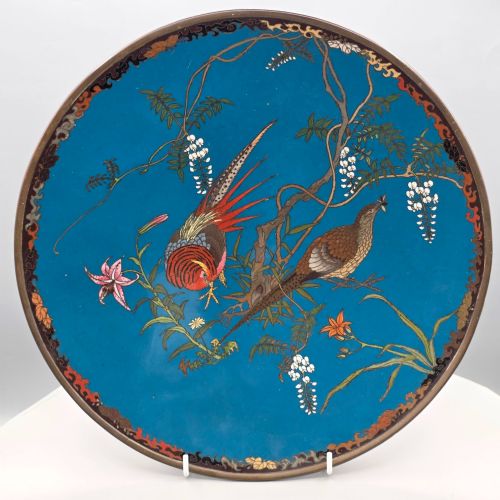
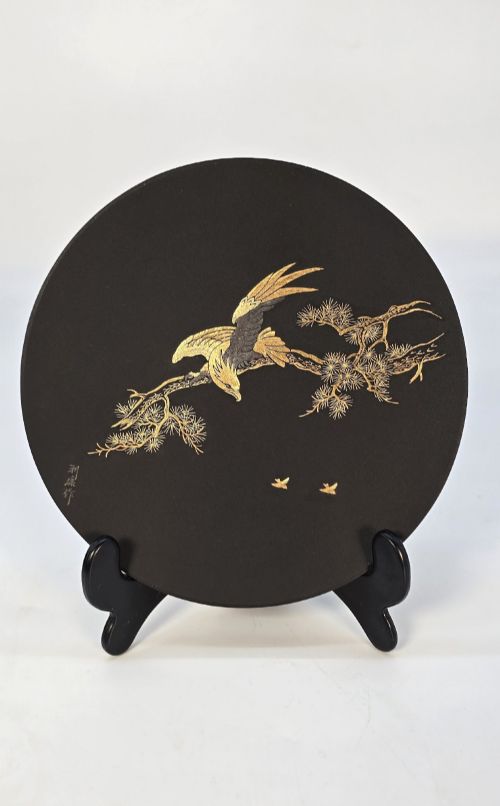
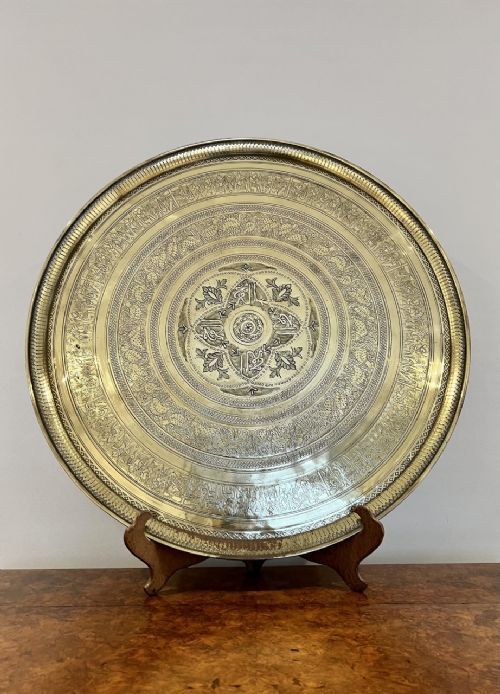
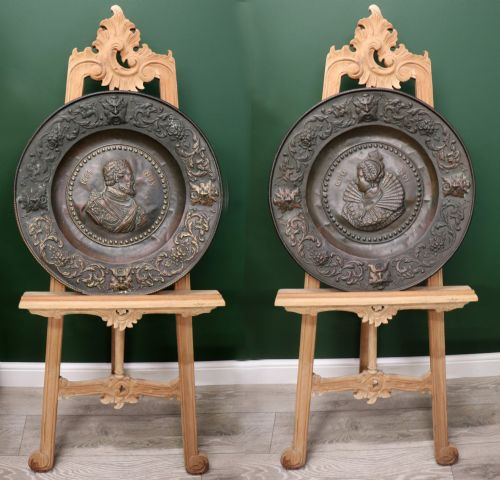
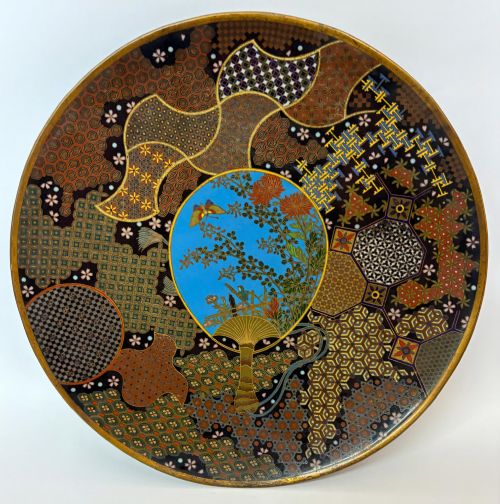
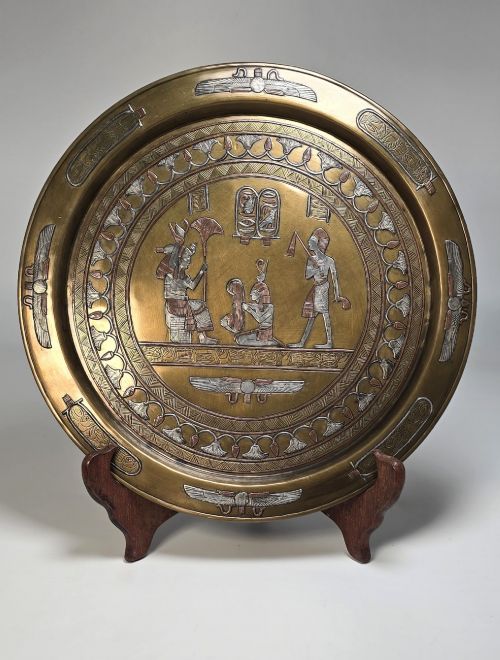
An antique metal wall plate encompasses decorative chargers, wall plaques and large platters designed primarily for display rather than dining. These pieces arrive in various forms, from Japanese Meiji period cloisonne enamels to Middle Eastern Cairo Ware and European repousse brass or copper.
Originating from diverse traditions such as Japanese workshops, Persian centres and English pewterers, these plates serve as focal points in period and eclectic interiors. Their circular and rectangular formats hang easily to introduce metallic warmth to plain walls.
How they were made
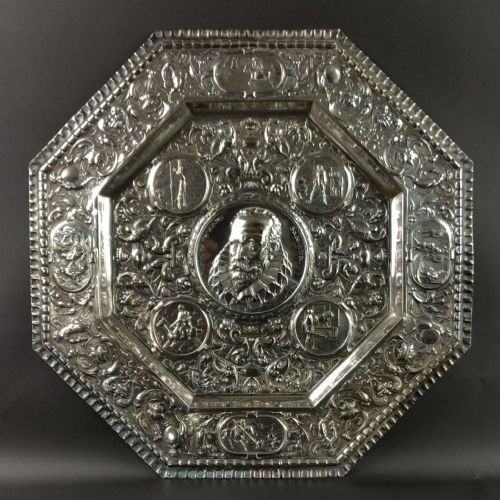
Metals such as copper, brass, bronze and pewter form the substantial base of these objects, shaped through casting, hammering or spinning. Artisans then applied surface decoration using techniques like repousse, chasing and engraving to create raised figures and patterns.
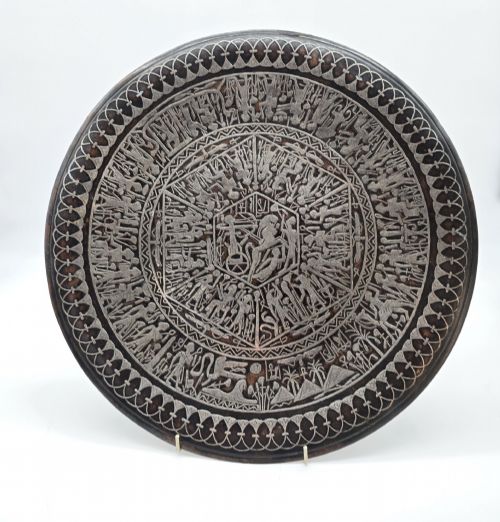
Enamelling techniques, notably cloisonne and totai shippo, involve soldering fine wire to a metal or porcelain body to create cells filled with coloured glass paste before firing. Other pieces incorporate gold and silver inlay upon patinated iron or copper surfaces to achieve high contrast.
Materials represented across the selection include copper, brass, bronze, silver plate, pewter, enamel and mixed metals.
What varies in quality
Quality rests upon the crispness of the hand-applied detail, whether in the precision of cloisonne wirework or the depth of repousse hammer marks. Superior examples display balanced composition, clear figural portraits and confident engraving that demonstrates the maker's mastery.
The choice and combination of materials also dictate worth, with mixed metal applications, intricate silver inlay and heavy, tactile gauges of copper or pewter separating standard utilitarian items from exhibition-grade chargers.
Liberty and Company·Samuel Smith·John Tubb
The Antique Metal Wall Plate Glossary
- Charger
- A large ornamental plate or platter intended for display on a sideboard or wall rather than for practical table service. These substantial vessels often feature elaborate central motifs.
- Repousse
- A metalworking technique where the artisan hammers the metal from the reverse side to form a raised design in relief on the front. Chasing is frequently used subsequently to refine details on the decorated surface.
- Cloisonne
- An enamelling method utilising thin metal wires soldered to a base to form compartments, which are filled with vitreous enamel paste and fired. This technique produces vibrant, multicolored pictorial scenes.
- Cairo Ware
- Nineteenth-century metalwork produced in Egypt, typically comprising brass or copper inlaid with silver and copper wire in Islamic revival patterns. These wares gained popularity during the European Grand Tour.
- Pewter
- A malleable alloy traditionally composed of tin alloyed with copper and lead or antimony. English examples often bear touchmarks identifying the maker and conformity to guild standards.
Antique Metal Wall Plate: Frequently Asked Questions
How do I hang a heavy metal charger safely?
Large chargers and heavy plaques require adjustable spring-loaded brass wall hangers that grip the rim securely without scratching the metal. Ensure the fixing screws are driven directly into wall studs or fitted with appropriate masonry plugs.
Avoid relying solely on simple wire loops soldered to the back, as antique joins can weaken over decades of supporting dead weight. Check the balance regularly to keep the display secure.
What is the difference between a charger and a plaque?
Chargers are traditionally circular vessels derived in shape from large dining platters, adapted primarily for visual display on walls or dressers. They usually feature sweeping border patterns and central figurative or floral scenes.
Plagues can be circular, oval or rectangular, and are conceived strictly as flat or low-relief artworks for mounting. They frequently commemorate historical figures or display intricate inlaid metalwork.
How should I clean antique copper and brass?
Dust these surfaces gently with a soft, dry brush or microfibre cloth to preserve the historical patination and age-acquired tones. Aggressive metal polishes strip away desirable oxidation and can damage delicate inlaid silver or enamel work.
If cleaning is strictly necessary, consult a specialist conservator to avoid removing the surface character that confirms the piece's age.
How do I identify Japanese Meiji period enamel?
Meiji period cloisonne often displays exceptionally fine brass wirework forming intricate natural scenes featuring birds, flowers and dragons. The reverse and interior surfaces frequently exhibit a smooth, stippled turquoise or pale green enamel finish.
Signatures on small plaques or chargers point to specific regional workshops in Nagoya or Kyoto active during the late nineteenth century.