



Antique Pewter Bowl
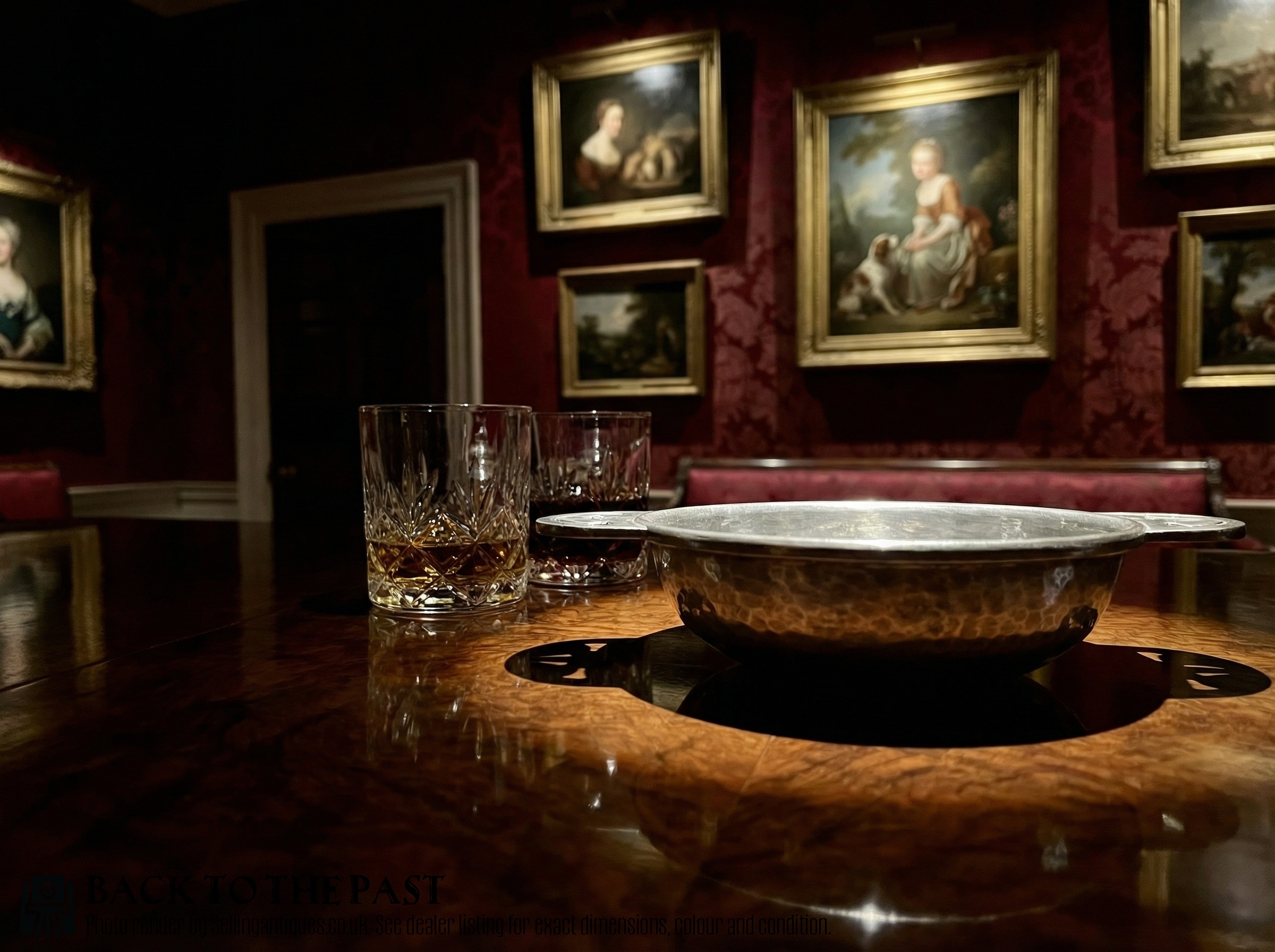
An antique pewter bowl brings centuries of utilitarian metalwork into a modern interior, offering understated texture and historic form.
Identifying an antique pewter bowl
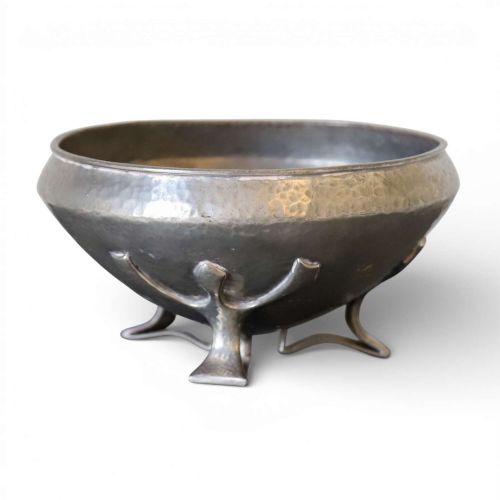
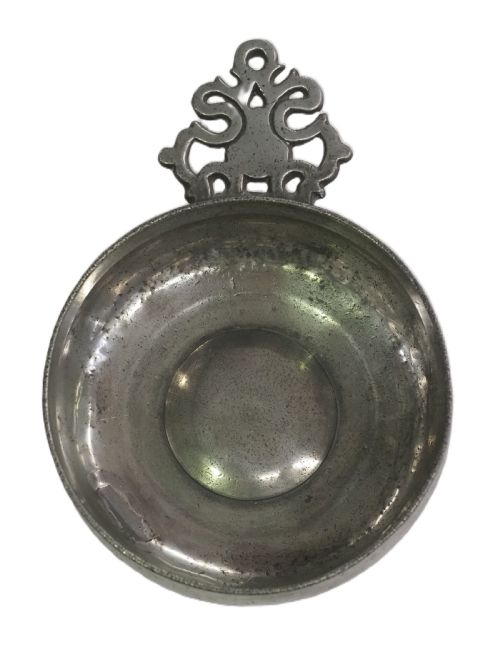
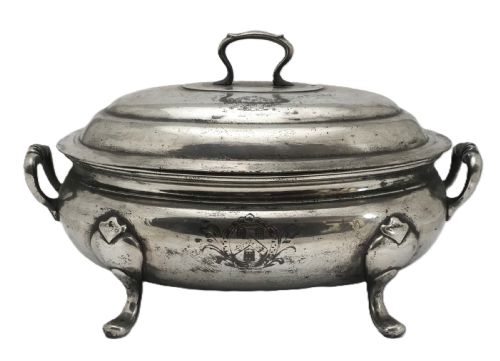
An antique pewter bowl encompasses a diverse group of domestic and ceremonial vessels fashioned from tin alloy, including porringers, basins, tureens, and quaiches. These objects span periods from the late seventeenth century through to the early twentieth century, reflecting both British and continental European craftsmanship.
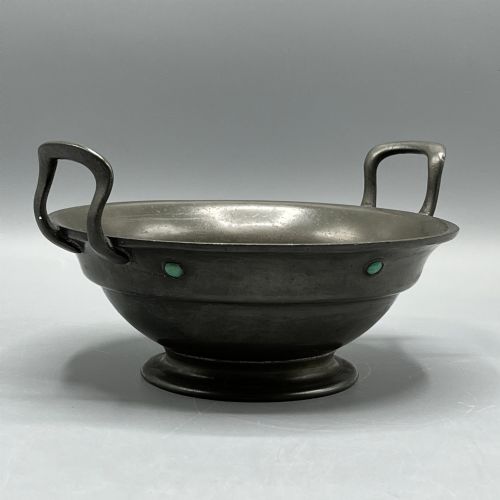
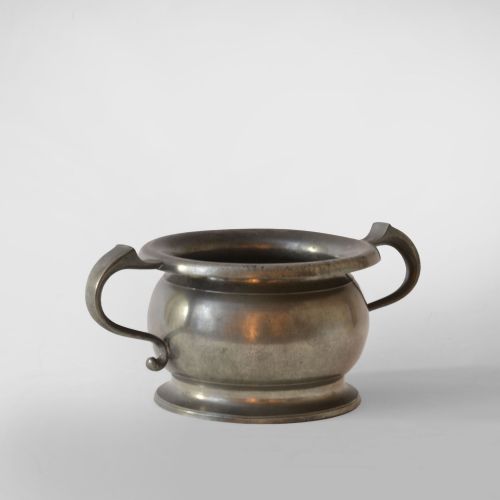
The versions most commonly encountered on this page range from early Georgian porringers and Scottish chamber pots to Arts and Crafts Tudric pieces produced by Liberty & Co. Collectors also find specialised items such as French barber bleeding bowls and birthing bowls incorporating brass elements.
Forms vary from plain utility items bearing the arms of trade guilds to decorative vessels embellished with cabochons and engraved details. Each piece demonstrates the shifting domestic habits and metallurgical skills of its respective era.
Construction and materials
These vessels are primarily formed from pewter, a malleable metal alloy consisting predominantly of tin combined with copper, antimony, or lead. Certain utilitarian forms incorporate contrasting materials such as brass fittings or glass components.
Manufacturing methods rely on traditional metalworking techniques including casting, hammering, and turning on a lathe to achieve the desired wall thickness and profile. Surfaces are frequently finished with hand engraving, touchmarks, or decorative cabochons as seen in Arts and Crafts examples.
Retail Price Guide 2026
Typical UK retail prices for pewter bowl, calculated from the Sellingantiques database of over a million retail prices indexed since 2003. This retail price guide relies exclusively on Sellingantiques data; no external sources or auction records are used, so the figures do not describe the wider market.
The documented forms range widely from utilitarian chamber pots and barber bleeding bowls to decorative Arts and Crafts quaiches and sugar basins.
Evaluating quality and merit
Quality in these metal objects rests upon the crispness of casting, the integrity of the alloy, and the retention of original maker marks or touchmarks. Finer examples display balanced proportions, clean turning lines, and purposeful weight without excessive thinning from centuries of cleaning.
The distinction between standard utility ware and exceptional pieces often lies in provenance and decorative detail, such as finely chased armorial engravings or distinctive modernist styling from Birmingham and London workshops.
Liberty & Co·W.Scott·Sabastian Friedrich
The Antique Pewter Bowl Glossary
- Porringer
- A small, shallow vessel featuring one or two horizontal flat handles, used historically for broths and porridges. These items often showcase pierced lug handles.
- Tureen
- A deep covered serving dish designed for soups or stews, frequently elevated on a footed base. These pieces occasionally display armorial engravings.
- Quaiche
- A traditional Scottish drinking vessel equipped with two opposing flat handles, adapted in later periods into decorative basins. This form has ancient Highland roots.
- Cabochon
- A polished, unfaceted gemstone or coloured glass insert set flush into metalwork. This decorative element is characteristic of Arts and Crafts metal design.
- Touchmark
- An official stamp or hallmark impressed by a metalsmith or guild onto finished metalwork to guarantee alloy standard and origin. These marks aid significantly in attribution.
Frequently Asked Questions
What was a pewter porringer used for?
A porringer served as a personal bowl for consuming soft foods, porridges, and broths during the seventeenth and eighteenth centuries. The flat pierced handles allowed the vessel to be held securely or hung from a hook when not in use.
Over time, smaller versions transitioned into sugar basins or decorative display pieces, particularly during the Arts and Crafts revival when traditional forms were reinterpreted.
How do I identify an eighteenth century piece?
Eighteenth century examples are typically characterised by heavier gauge metal, simpler utilitarian profiles, and hand-beaten interior surfaces resulting from traditional manufacturing methods. They frequently display maker touchmarks or ownership initials scratched into the underside.
Stylistic markers of the period include plain porringer lugs, deep basin walls, and functional civic or guild engravings rather than the decorative cabochons seen in later twentieth century designs.
What is a bleeding bowl?
A bleeding bowl is a medical vessel utilised in historical phlebotomy to collect blood during therapeutic bloodletting procedures. These pieces feature graduated interior markings and a single handle for the practitioner.
Nineteenth century French examples on this page demonstrate the continued manufacture of these specialised utilitarian forms well past the peak of the medical practice.
How should I clean antique pewter?
Antique pewter requires minimal intervention and should be cleaned gently using warm water and mild soap to preserve the dark historic patina. Abrasive polishes strip away the surface oxidation that collectors value.
Dry the metal thoroughly with a soft cloth after washing to prevent moisture spots and maintain the stable finish accumulated over centuries.