

Antique Wash Vessel
An antique wash vessel brings robust utility and rich patinated metal into domestic interiors, spanning centuries of practical design.
Antique Wash Vessel
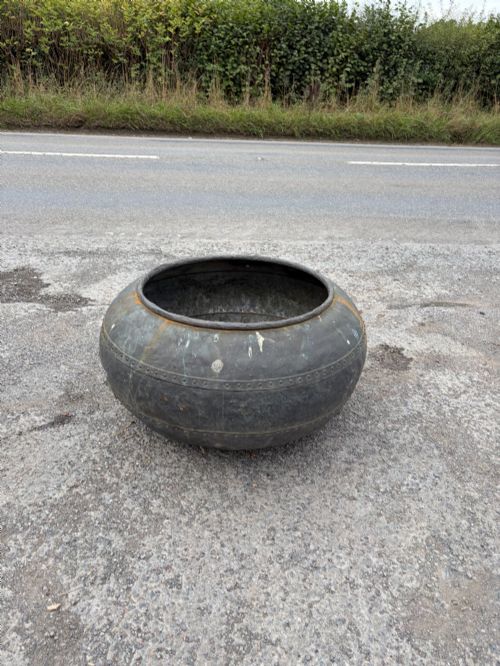
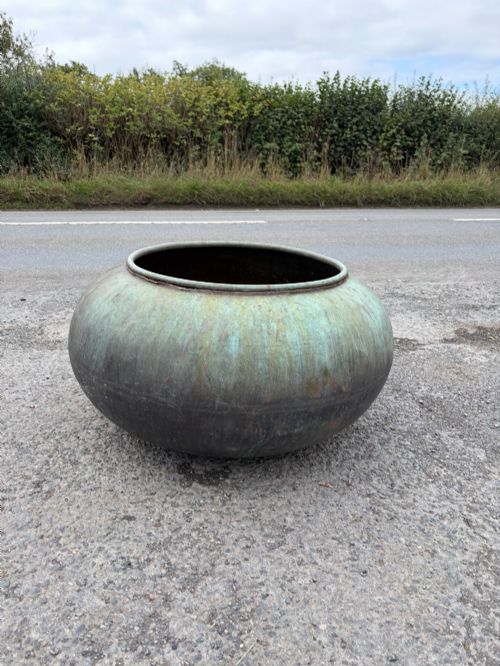
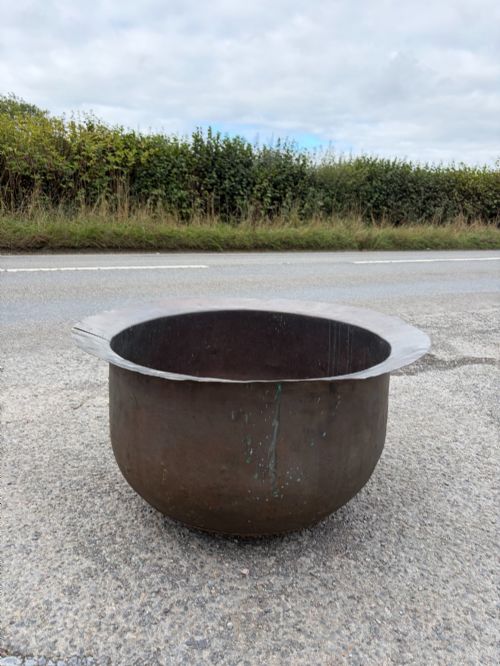
These antique wash vessel items comprise heavy utilitarian containers and basins originating predominantly from the nineteenth century alongside earlier examples from the sixteenth and eighteenth centuries. Buyers searching for an antique wash vessel encounter substantial copper boilers, tubs, and brass basins designed originally for domestic laundering, bathing, or food preparation.
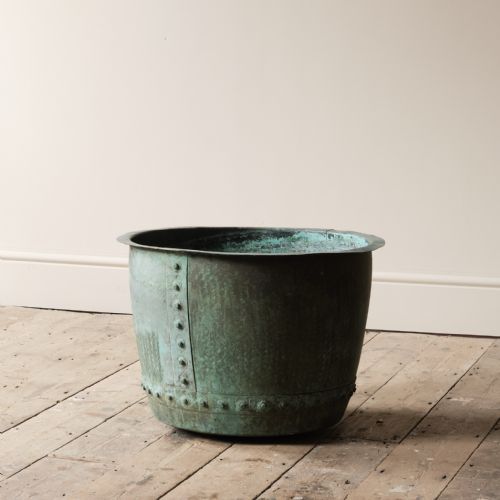
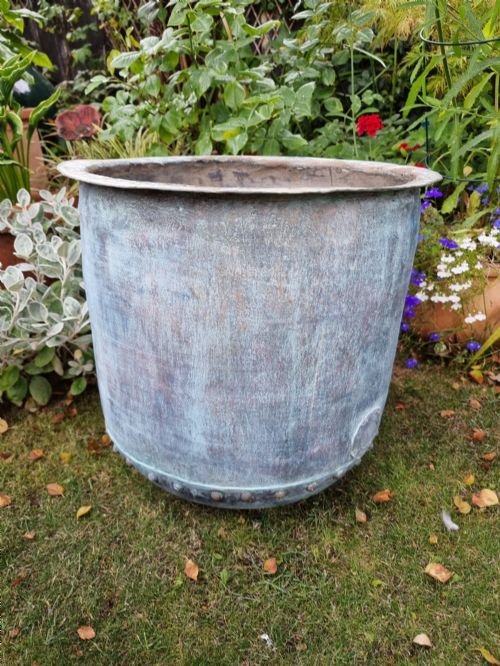
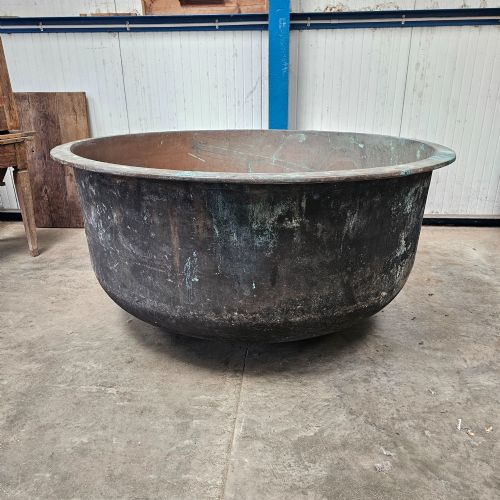
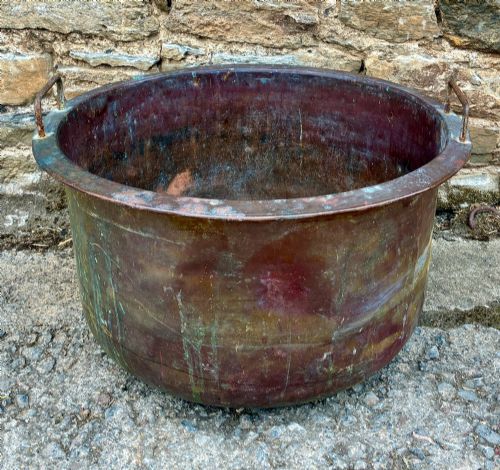
The assortment on this page leans heavily towards large copper pots, cauldrons, and wash tubs shaped by Victorian and Georgian utility. Makers utilised durable metals suited to daily scrubbing, leaving surviving vessels ready for repurposing as planters, log bins, or decorative centrepieces.
Materials and construction methods
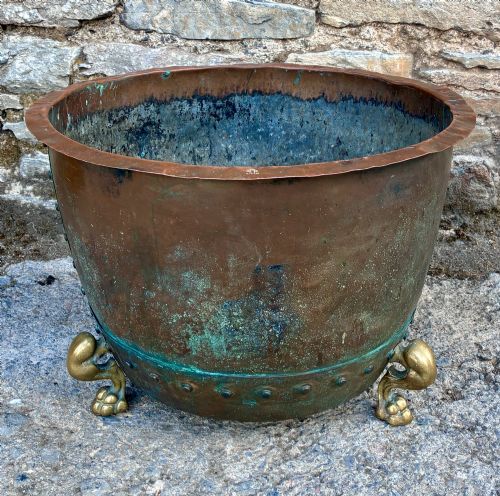
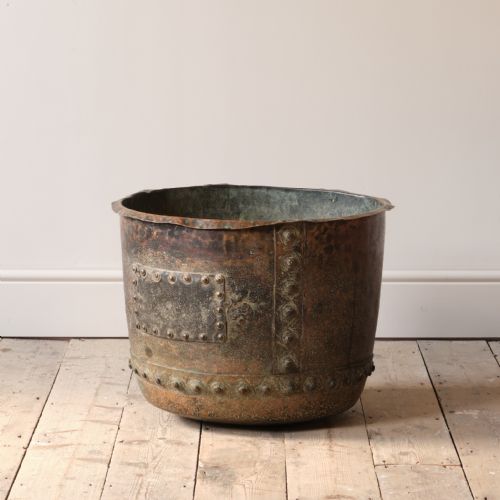
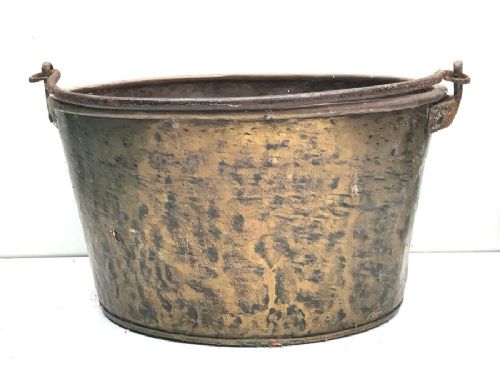
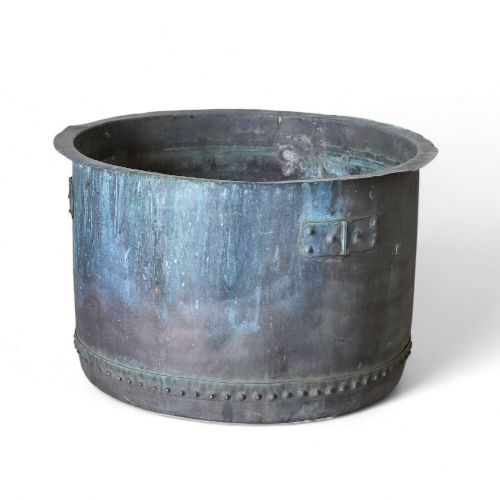
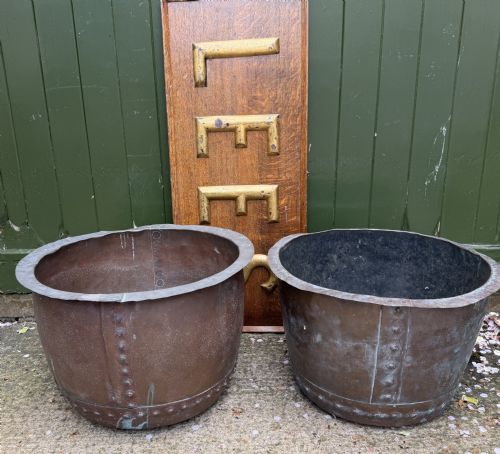
Heavy copper and brass form the backbone of these pieces, often joined by hand-riveting with supplementary iron handles or brackets. Workshops shaped sheet metal through hammering, creating robust seams that withstood constant heating and water exposure.
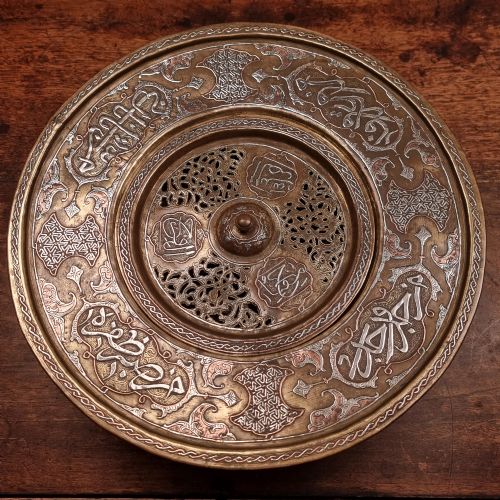
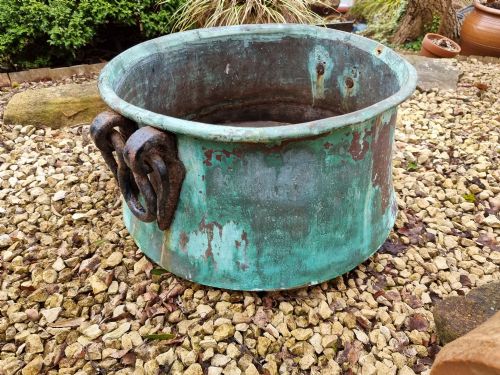
Surfaces frequently display natural patination, verdigris, and tool marks resulting from decades of hard domestic use. Engraving appears on specific Middle Eastern brass basins, contrasting with the plain, functional surfaces of English and French country coppers.
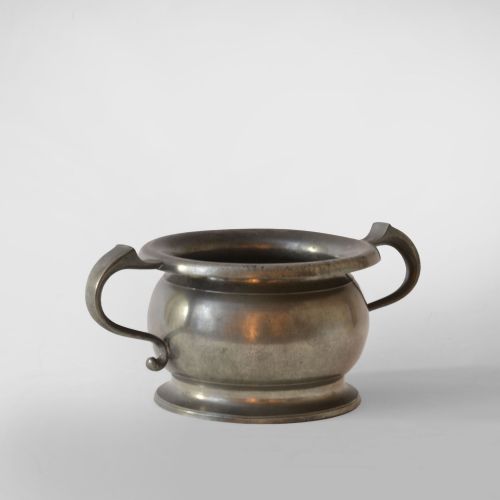
Water finds its match in metal when an eighteenth-century chamber pot meets the modern fireside as a log bin.
Distinguishing quality across vessels
Quality rests in the heaviness of the gauge metal and the integrity of the original hand-riveted construction rather than factory perfection. Vessels retaining sturdy wrought iron swing handles and balanced proportions command greater appreciation.
Surface character dictates aesthetic appeal, where undisturbed natural patination and genuine verdigris outweigh over-polished metal. The skill involved in hand-hammering large sheets into seamless or neatly riveted bowls separates standard utilitarian gear from exceptional surviving examples.
W.Scott of Edinburgh
The Antique Wash Vessel Glossary
- Patina
- The surface sheen and colour acquired through age, handling, and oxidation. This natural layer evidences decades of exposure and use.
- Verdigris
- The green patina formed on copper, brass, or bronze surfaces through natural weathering. Collectors often prize this distinct colouration for its decorative visual impact.
- Riveted
- Joined together using metal bolts hammered flat at the ends. This technique secures heavy copper plates on domestic boilers and large pots.
- Cauldron
- A large metal pot with a wide opening, frequently fitted with an iron swing handle for suspension or lifting. These heavy vessels handled bulk heating tasks.
Antique Wash Vessel: Frequently Asked Questions
What is an antique wash vessel used for today?
Modern interiors repurpose these heavy metal containers as generous plant pots, garden display pieces, or fireside log bins.
Their robust construction and waterproof metal make them practical for holding soil, firewood, or large decorative arrangements.
How do I clean a copper wash vessel?
Most collectors prefer to leave the accumulated patination and verdigris untouched because it records the age of the metal.
If cleaning is necessary, mild soap and warm water remove surface dirt without destroying the historic finish.
How can I tell a Victorian copper pot from an earlier one?
Eighteenth-century examples such as Georgian pans often show specific hand-forged iron attachments and heavier forging marks.
Victorian and later nineteenth-century vessels frequently utilise standardised hand-riveting techniques and heavier sheet copper.
Are brass basins different from copper wash vessels?
Brass basins generally served finer domestic or decorative functions, sometimes featuring intricate engraved or inlaid designs from regions like Egypt or Syria.
Copper vessels tended toward heavy utilitarian boiling and washing tasks, resulting in plain, thick-walled utility forms.