



Grey Metal Vessel
A grey metal vessel brings utilitarian resilience and historic character to a room, ranging from simple tavern measures to ornate ceremonial flagons.
Grey Metal Vessel
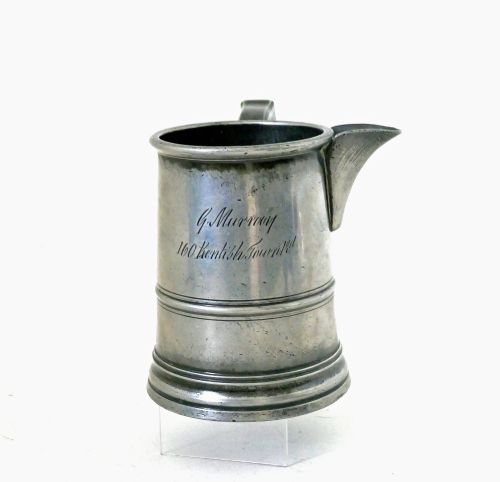
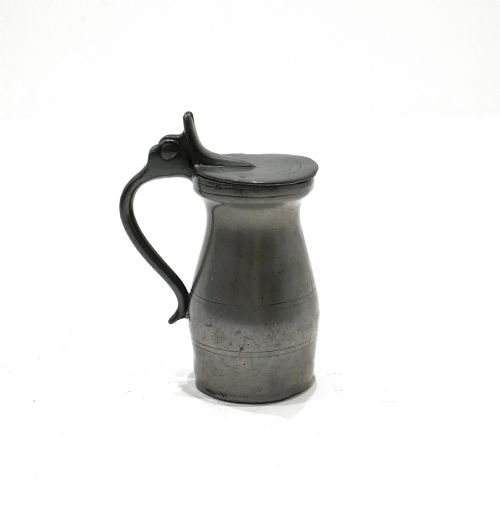
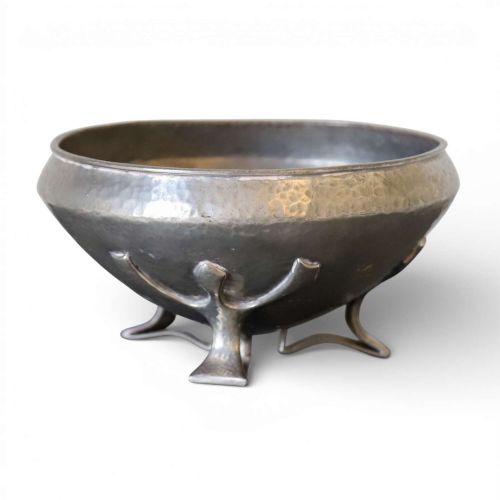
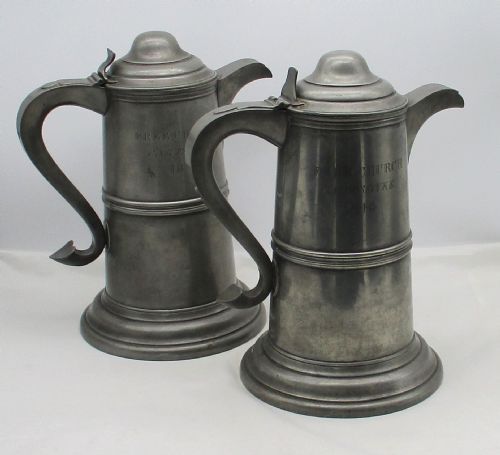
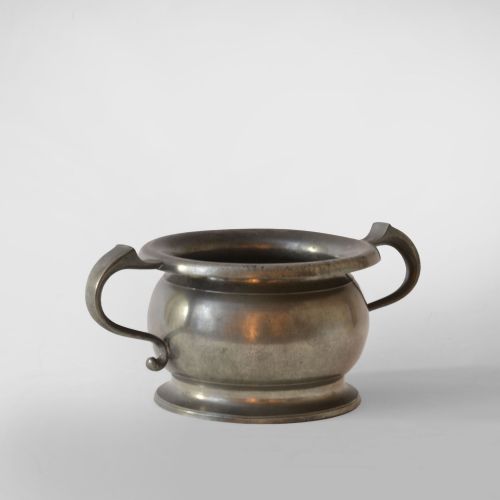
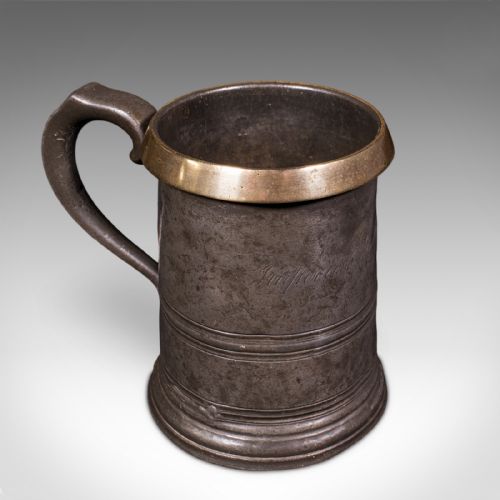
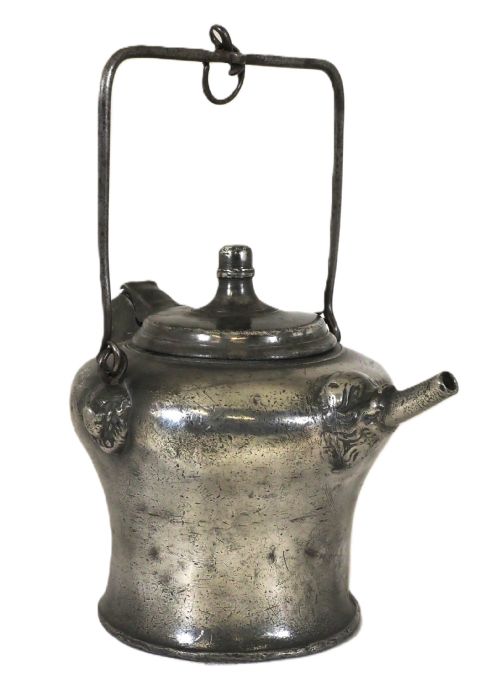
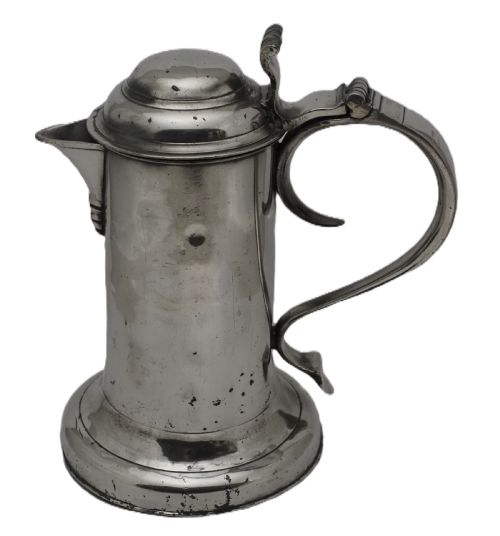
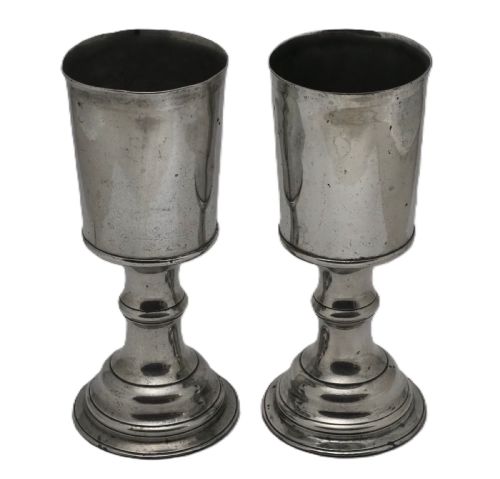
When searching for a grey metal vessel, a buyer encounters domestic and ceremonial objects spanning several centuries, predominantly formed from pewter and cast iron. Pewter examples dominate the selection, appearing as flagons, tankards, spirit measures, and bowls shaped for daily tavern use or church service.
The objects also extend to garden urns, mortars, and vases created across Georgian, Victorian, and Arts and Crafts periods. English, Irish, Scottish, and continental European workshops generated the majority of these utilitarian and decorative forms.
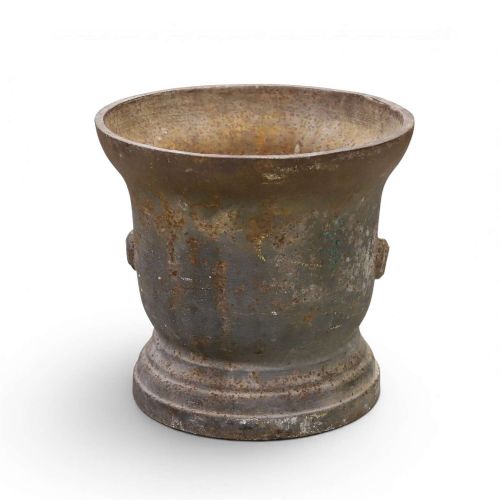
A buyer frequently meets heavy-walled drinking vessels and lidded jugs bearing touchmarks, alongside cast iron vessels designed for utilitarian kitchen or garden tasks.
How they were made
Pewter vessels were cast in metal or brass moulds, utilising an alloy of tin combined with lead, copper, or antimony to achieve durability. Molten metal filled these piece-moulds before craftsmen smoothed surfaces through hammering, lathe-turning, and soldering components together.
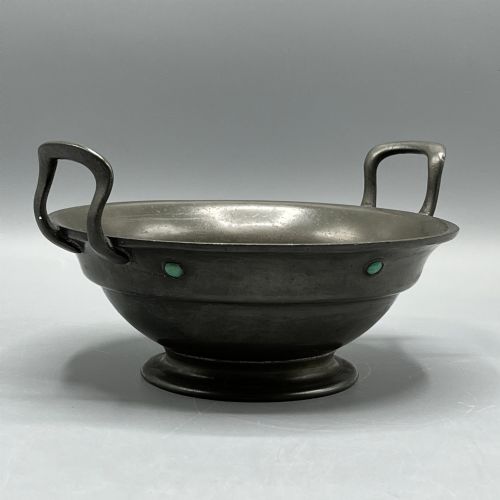
Cast iron and bronze objects were produced via sand casting or lost-wax techniques, resulting in thick, rigid walls designed for heavy service. Artisans finished these metal forms by hand, adding engraved decoration, applied cabochons, or patinated surfaces.
Listings feature items from the seventeenth, eighteenth, and nineteenth centuries, alongside Arts and Crafts productions from around nineteen hundred.
What varies in quality
The calibre of a piece rests on the crispness of its casting and the integrity of its original form without heavy modern intervention. Maker marks, touchmarks, and ownership engravings elevate an item by grounding its provenance in a specific workshop or tavern.
Proportion and weight distribution separate standard utility pieces from exceptional design work, particularly in Arts and Crafts productions where surface detailing and balanced form dictate the standard.
Oliver Baker·Archibald Knox·John Heaney·Robert Iles·Burgum and Catcott·Kayserzinn
The Grey Metal Vessel Glossary
- Touchmark
- A maker's stamp pressed into pewter to identify the guild member or workshop responsible for the metal purity. These small impressions serve as vital clues for dating and attribution.
- Flagon
- A large lidded drinking vessel or container used for ale, wine, or church services. They often feature spouts, flat lids, or spire tops.
- Spirit measure
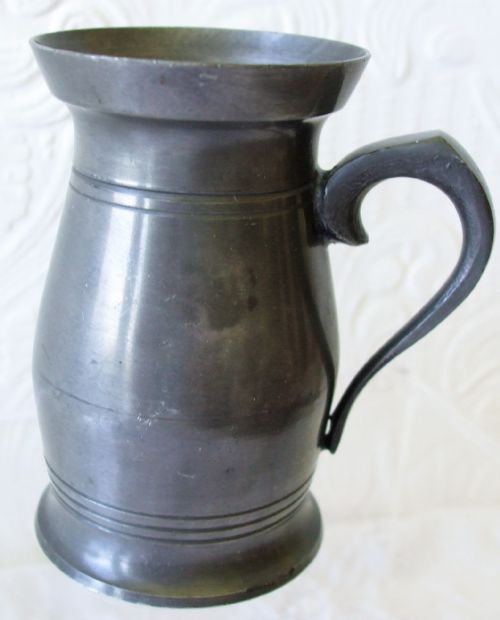
- A standardised vessel employed in public houses to gauge precise volumes of alcohol. Examples range from pre-imperial half gills to full pints.
- Censer
- A metal vessel designed for burning incense during ceremonial or religious rituals. They frequently incorporate hanging chains or pierced lids for smoke dispersal.
- Tudric
- The trade name used by Liberty & Co for their polished pewter ware manufactured around the turn of the twentieth century. It often featured Celtic motifs and cabochon stones.
Grey Metal Vessel: Frequently Asked Questions
What is a pewter flagon?
A pewter flagon is a tall lidded container designed for holding liquids such as ale or sacramental wine. These vessels served both domestic households and ecclesiastical institutions.
Craftsmen built them with sturdy handles and tight-fitting lids to preserve contents during communal dining or church services.
How do I date old pewter?
Dating old pewter relies on examining the shape of the handle, the style of the lid, and any touchmarks stamped into the metal. Changes in legal measurement standards also help narrow down the decade of production.
Guild regulations required makers to stamp their work, providing a direct link to operational date ranges of specific workshops.
How do I clean antique metal?
Antique metal requires minimal intervention to preserve the historic patina built up over centuries of handling. Gentle dusting and soft washing maintain the surface without stripping away age.
Harsh commercial polishes destroy the subtle grey tones and historic tool marks that collectors value most.
Where were these vessels used?
These vessels functioned in diverse environments ranging from bustling English public houses to quiet continental monasteries and domestic kitchens. Apothecaries and households utilised cast iron mortars for grinding ingredients.
Religious spaces employed pewter flagons and chalices for communion, while wealthy homes displayed decorative Arts and Crafts bowls.