

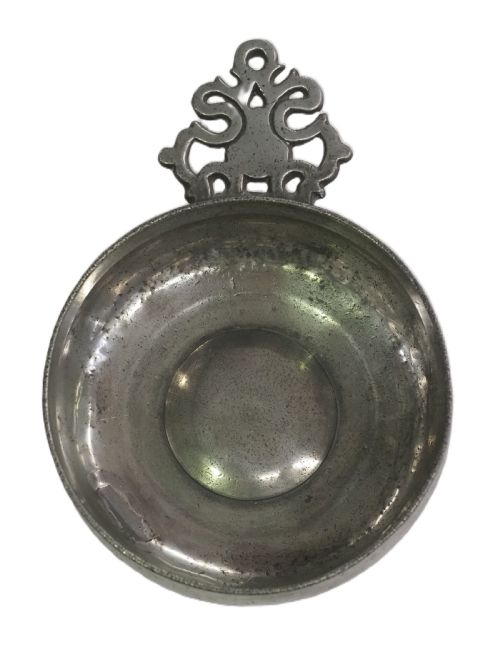


Grey Pewter Bowl
A grey pewter bowl is a utilitarian vessel shaped by centuries of metalwork, offering a subtle lustre that suits both traditional and modern interiors.
Grey Pewter Bowl
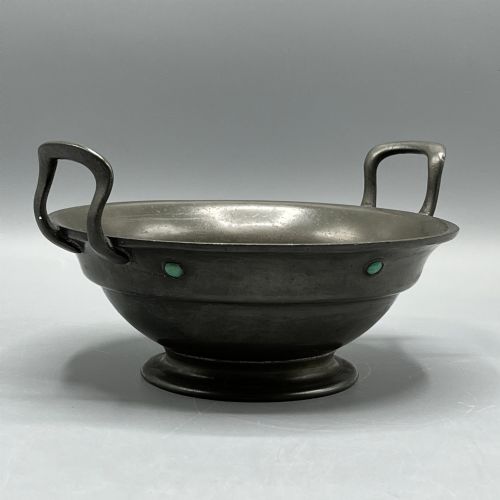
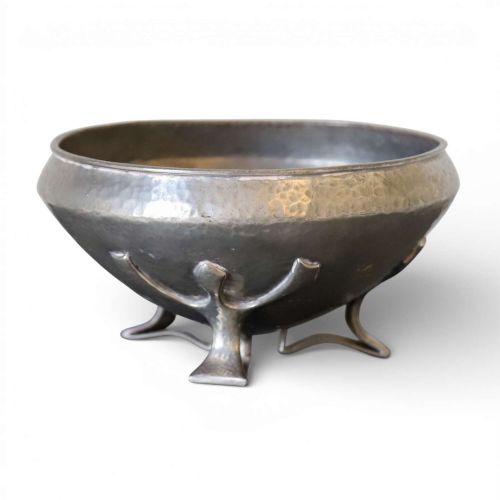
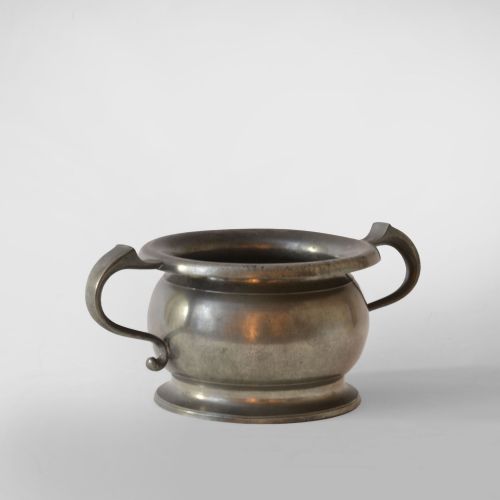
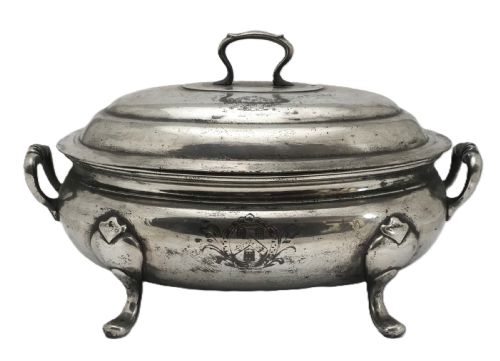
A grey pewter bowl encompasses a variety of domestic and decorative hollowware found across multiple eras, ranging from early chamber pots and porringers to later Arts and Crafts centerpieces and Art Deco serving vessels. When searching for a grey pewter bowl, buyers encounter diverse forms such as shallow dishes, lidded tureens, and handled basins originating from British, French, and Scottish workshops.
The objects listed span several distinct periods, including the seventeenth, eighteenth, and nineteenth centuries, alongside Edwardian and 1930s modernist designs. Forms vary from simple utilitarian toilet and barber basins to elaborate Tudric tableware set with cabochons and engraved armorial bearings.
The metal itself provides a characteristic muted grey finish that develops a soft patina over time. Depending on the specific piece, these bowls serve functional roles as sugar basins and tea sets or purely decorative purposes within an interior.
How they were made
These items are constructed primarily from pewter, an alloy traditionally composed of tin combined with copper, antimony, or lead to provide durability and malleability. Selected pieces incorporate mixed media, pairing the grey metal with brass mounts, glass inserts, or ebonised wood handles.
Manufacturing methods involve casting, hammering, and lathe-turning to achieve the desired wall thickness and profile. Decorative details such as hammered surfaces, applied cabochons, and armorial engravings are executed by hand to finish the vessel.
Listings feature pewter combined with brass, glass, and ebonised wood across periods from the seventeenth century to the 1930s.
What varies in quality
Quality in these pieces is determined by the weight of the metal and the precision of the form, distinguishing substantial vessels from lighter domestic items. The crispness of hand-engraving and the integration of decorative elements like cabochons separate standard utilitarian output from designer commissions.
The reputation of the maker and the integrity of the original surface patination significantly influence the standing of an individual piece. Objects retaining their structural balance and clear touchmarks demonstrate superior craftsmanship from their respective period.
Oliver Baker·W.Scott of Edinburgh·Armada Pewter·Archibold Knox
The Grey Pewter Bowl Glossary
- Porringer
- A small, shallow bowl with one or two flat horizontal ears or handles, used historically for porridge, broth, or as a sugar basin.
- Tudric
- The trade name used by Liberty & Co for their range of pewter ware produced during the early twentieth century, often featuring Arts and Crafts or Art Nouveau designs.
- Cabochon
- A polished, unfaceted gemstone or coloured glass inset used as a decorative accent on metalwork.
- Touchmark
- An official stamp or hallmark impressed into pewter by a maker or guild member to guarantee the quality and standard of the alloy.
- Barber basin
- A specialised semi-circular bowl with a cutout rim designed to fit snugly against a customer's neck during shaving or bleeding.
Grey Pewter Bowl: Frequently Asked Questions
How do I clean a pewter bowl?
Pewter requires gentle cleaning with warm soapy water and a soft cloth to preserve its historic surface. Avoid abrasive polishes that strip away the natural grey patina.
Dry the vessel thoroughly after washing to prevent water spotting and maintain the matte finish characteristic of the metal.
Are these bowls safe for food use?
Older pewter pieces, particularly those from the seventeenth and eighteenth centuries, may contain lead in the alloy composition. Modern testing is recommended if you intend to use them for serving food or drink.
Twentieth-century pieces produced by established firms are generally more stable, but many collectors prefer to display them rather than use them for dining.
How do I date an antique pewter bowl?
Dating relies on stylistic clues, manufacturing techniques, and maker touchmarks stamped into the metal. Hammered surfaces and organic motifs typically point towards the Arts and Crafts movement, while simpler heavy forms suggest earlier Georgian or seventeenth-century origins.
Comparing the shape and weight to documented examples from the same period helps narrow down the decade of production.
What is Tudric pewter?
Tudric is the brand name given to the pewter ware retailed by Liberty & Co in London during the early twentieth century. These items were designed by prominent artists and often reflect Arts and Crafts or Art Nouveau aesthetics.
They frequently feature distinctive details such as stylized floral motifs, hammered textures, and inset cabochons.