



Silver Grey Pewter Dish
These silver grey pewter dish pieces offer a tactile historic surface and solid metal form for domestic display and table use.
Silver Grey Pewter Dish
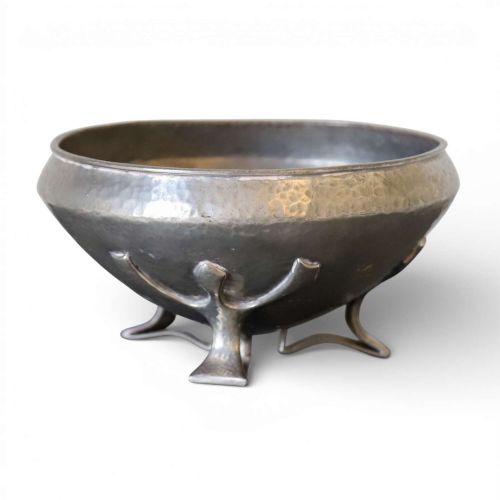
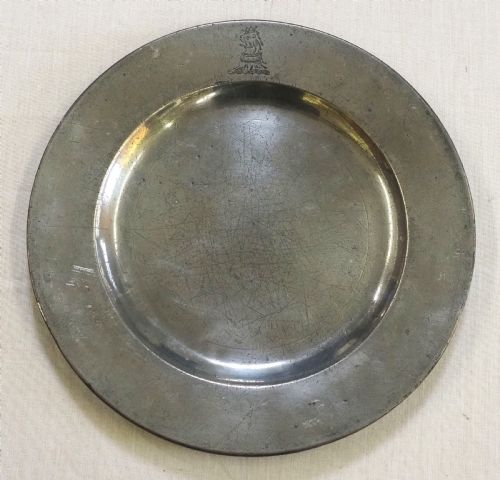
A silver grey pewter dish represents a traditional metal vessel category encompassing plain rim plates, large chargers, and decorative bowls spanning several centuries. Buyers searching for a silver grey pewter dish encounter diverse forms ranging from early seventeenth-century London chargers to Edwardian Arts and Crafts bowls.
The selections available here lean heavily toward English and European examples featuring plain rims, wavy edges, and commemorative plates. Makers and forms vary across periods such as William and Mary, Georgian, and Louis XVI styles, showing domestic tablewares and ceremonial pieces alike.
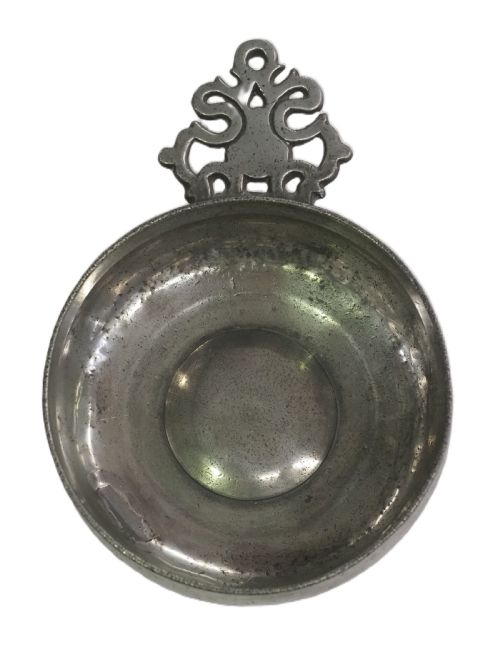
Formats include substantial chargers measuring up to twenty-two inches alongside porringers and smaller commemorative plates with royal portraits. Each object retains the characteristic metallic grey tone acquired through age and handling.
Materials and construction
These items are cast and worked entirely in pewter, utilising traditional metalworking techniques such as hammering all over to strengthen and shape the alloy. Surface finishes display the natural dull metallic lustre inherent to historic tin-based compositions.
Detailing on these pieces includes triple reeded borders, cast armorial crests, and hand-beaten textures applied by makers during production. Edges are shaped into plain rims or wavy outlines depending on the stylistic conventions of the period.
The inventory records pieces from English and European workshops, incorporating styles from William and Mary to Arts and Crafts designs.
Evaluating craftsmanship and condition
Quality in these metallic wares rests upon the crispness of maker touchmarks, the integrity of the rim shape, and the depth of hand-hammered detailing. Superior examples retain substantial weight and balanced proportions across wide diameters without excessive thinning of the metal.
Surface preservation distinguishes different tiers of manufacture, where original tool marks and clear maker stamps indicate higher workshop standards. Pieces featuring complex decorative elements such as lion crests or specific Liberty & Co Tudric designs demonstrate distinct artistic ambition.
James Spackman·Thomas Templeman·Thomas Powell·S Duncomb·Oliver Baker·Archibold Knox
The Silver Grey Pewter Dish Glossary
- Charger
- A large ornamental or serving plate, often measuring twenty inches or more across, designed to sit beneath smaller service courses or display upright on a dresser. These substantial metal plates formed central pieces of dining table presentation in earlier centuries.
- Porringer
- A small, deep bowl furnished with one or two flat pierced handles, used originally for broth, porridge, or bleeding liquids. These vessels offer intimate domestic scale compared to expansive chargers.
- Tudric
- The trade name used by Liberty & Co for their range of pewter ware produced during the late Victorian and Edwardian eras. This line employed prominent designers like Archibald Knox and Oliver Baker to create distinct modernist motifs.
- Touchmark
- An identifying stamp or hallmark struck into the metal by a pewterer to certify the standard of the alloy and the maker's workshop. These small symbols provide crucial evidence for dating and attribution.
Silver Grey Pewter Dish: Frequently Asked Questions
How do I clean an antique pewter dish?
Historic metal surfaces require minimal intervention to preserve their aged silver grey oxidation and stable patina. Gentle washing with mild soap and warm water removes surface dirt without stripping the historic finish.
Avoid harsh commercial metal polishes that remove original tool marks and reduce the depth of maker touchmarks. Soft drying with a cloth prevents water spotting on the tin alloy.
Can I use these old dishes for food?
Historic pewter compositions from earlier centuries frequently contain varying amounts of lead alongside tin and copper. Modern food safety standards advise against using antique metal tablewares for acidic or wet foodstuffs.
Displaying these vessels on walls, dressers, or tables ensures they remain safe while highlighting their historic craftsmanship. Dry foodstuffs present fewer concerns, but visual display remains the primary mode of enjoyment.
What is Tudric pewter?
Tudric is the specific brand name adopted by the London retailer Liberty & Co at the start of the twentieth century for their high-grade pewter items. These pieces embraced Arts and Crafts aesthetics and modern styling.
Leading designers created organic and geometric models that contrasted sharply with traditional seventeenth-century domestic wares. These objects are readily identified by model numbers stamped into the base alongside the Tudric mark.
How do I tell an early plate from a later one?
Manufacturing techniques and rim profiles provide clear indicators of date and origin across different centuries. Seventeenth and eighteenth-century examples often feature simple cast forms with hand-beaten surfaces and maker touchmarks.
Later Arts and Crafts pieces display stylized motifs, lighter gauges, and distinct retail stamps from firms like Liberty & Co. Comparing weight, edge treatment, and surface tooling helps separate early production from later revival work.