


Liberty and Co Pewter
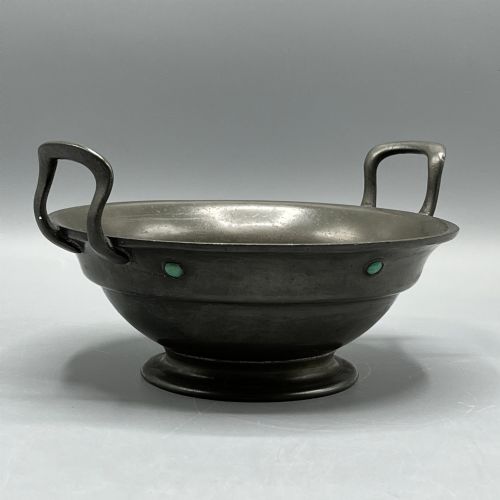
Liberty and co pewter represents the pinnacle of British Arts and Crafts metalwork, prized for organic motifs and distinctive forms.
Identifying Liberty and Co Pewter
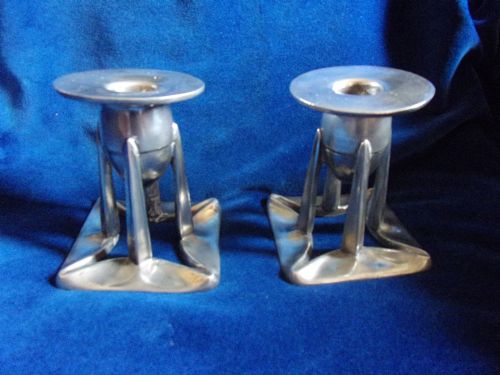
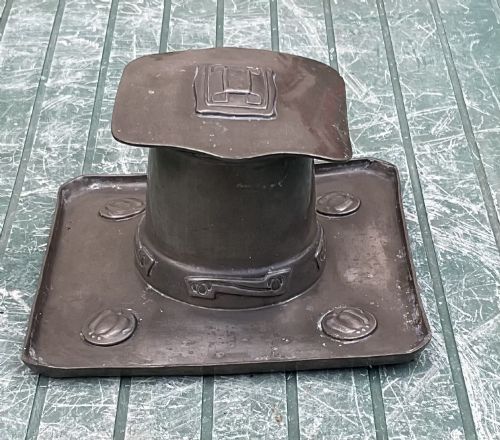
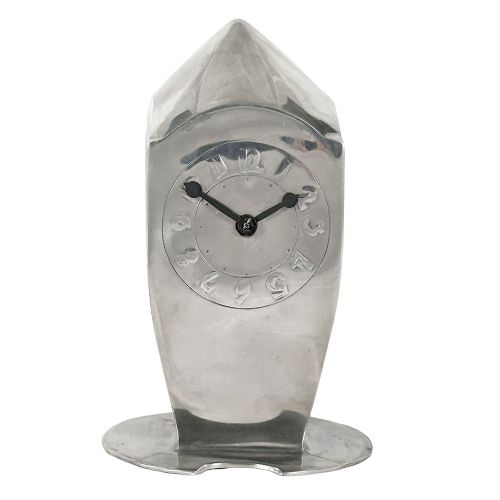
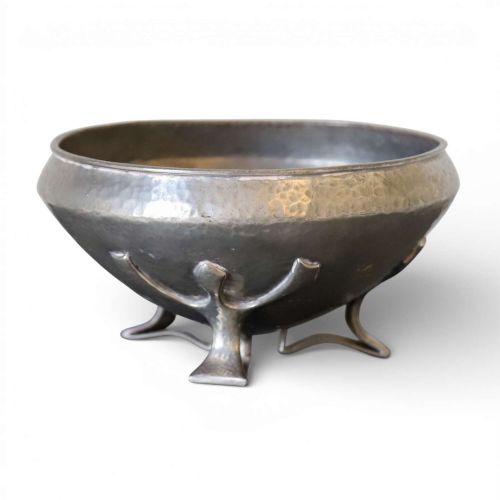
Liberty and co pewter encompasses domestic metalware produced during the early twentieth century, heavily influenced by the Arts and Crafts movement. These items range from practical tableware like jugs and teapots to decorative items including candlesticks, inkwells, and dishes.
The objects frequently carry the Tudric brand name, which denotes the firm's specific line of pewter wares. Pieces commonly date from around nineteen hundred to nineteen thirty, displaying characteristic styling associated with the period.
Buyers will frequently encounter candlesticks, inkwells, and jugs bearing catalogue numbers alongside the manufacturer's marks. These domestic forms remain the most accessible way to acquire pieces from this design era.
Materials and Construction
Items in this category combine pewter with contrasting elements such as enamel, copper, cane, hard stone, and oak. The primary alloy is shaped through hammering, casting, and spinning to create both smooth and textured surfaces.
Makers integrated natural materials like woven rattan or cane for handles on jugs and teapots, offering insulation alongside visual contrast. Enamel cabochons and panels add vibrant spots of colour to the grey metallic background of Tudric pieces.
Retail Price Guide 2026
Typical UK retail prices for liberty and co pewter, calculated from the Sellingantiques database of over a million retail prices indexed since 2003. This retail price guide relies exclusively on Sellingantiques data; no external sources or auction records are used, so the figures do not describe the wider market.
Keep an eye out for miniature depictions of children in clogs rendered permanently in enamel panels.
Assessing Quality and Design
Quality in these works rests upon the sophistication of the design and the integration of auxiliary materials like polychrome enamel or polished hard stones. Stronger examples often feature distinct motifs designed by leading artists associated with the firm.
The clarity of the casting and the crispness of the hammered surface texture distinguish finer pieces from standard production items. Preservation of original components, such as cane handles and inset enamel panels, governs the desirability of surviving objects.
Archibald Knox·Liberty and Co
The Liberty and Co Pewter Glossary
- Tudric
- The trade name used by Liberty and Co for their range of pewter ware introduced in the early twentieth century. This brand often encompasses pieces designed by prominent artists.
- Pewter
- A malleable metal alloy consisting primarily of tin, used historically for domestic vessels and decorative objects. It provides a soft, silvery lustre suited to Arts and Crafts hammering techniques.
- Enamel
- Vitreous material fused to a metal surface through firing, frequently utilised for colourful cabochons on metalwork. These vibrant inserts accent the muted grey tones of the alloy.
- Quaiche
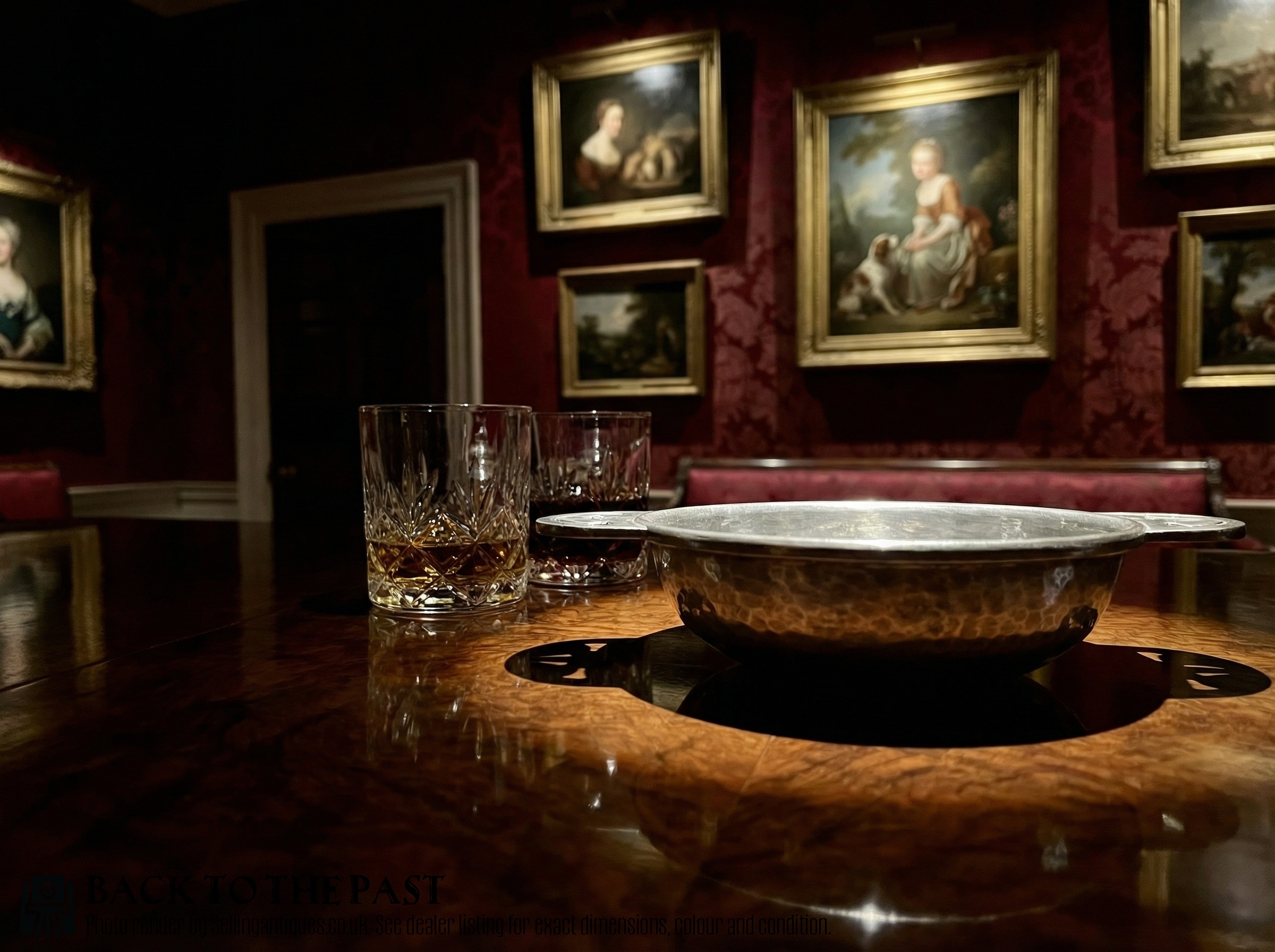
- A traditional two-handled drinking vessel originating in Scotland, occasionally rendered in metal by modern firms. This form appears among the serving pieces produced during the period.
- Arts and Crafts
- A design movement advocating handcraftsmanship and natural motifs over mass industrial production. This aesthetic shapes the form and ornamentation of the metal objects.
Frequently Asked Questions
What is Tudric pewter?
Tudric is the specific trade name utilised by Liberty and Co for their high-quality pewter range produced from the early twentieth century onward.
This line distinguished their metalware output, frequently incorporating distinctive artistic designs and contrasting elements like enamel.
Who designed these metal objects?
Many of the most notable designs were created by Archibald Knox, who provided numerous patterns for the firm during the early nineteen hundreds.
His work defined the Celtic revival and floral motifs seen across the company's metal and enamel pieces.
How should I clean pewter?
Pewter requires gentle maintenance using mild soap and warm water, followed by careful drying with a soft cloth to preserve the finish.
Avoid abrasive polishes or harsh chemical cleaners that can strip away the historic surface character of the metal.
Are original handles usually cane?
Many jugs, teapots, and coffee pots from this maker feature handles wrapped in original woven rattan or cane to insulate against heat.
Surviving examples with intact natural material handles are particularly prized by collectors of the period.