


Arts and Crafts Pewter
Arts and crafts pewter combines utilitarian metalwork with organic design motifs, offering collectors striking domestic objects from the early twentieth century.
Arts and Crafts Pewter
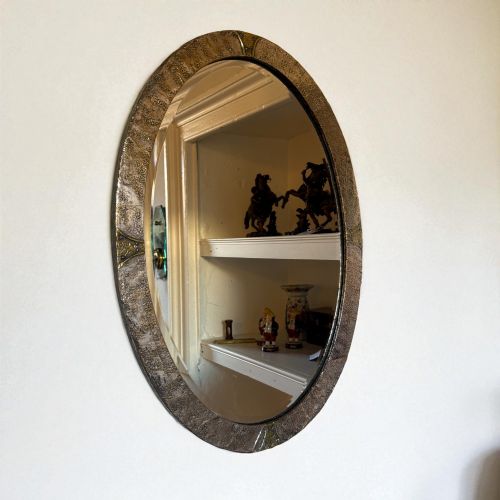
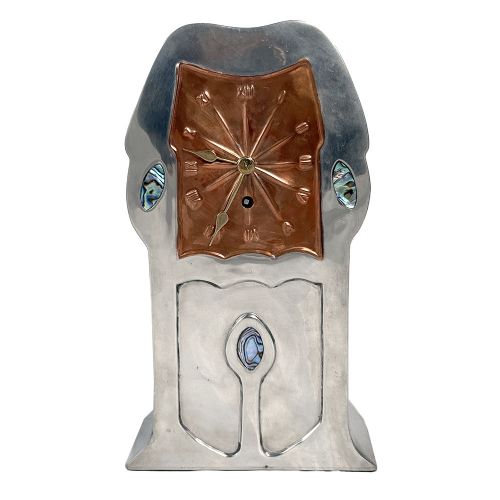
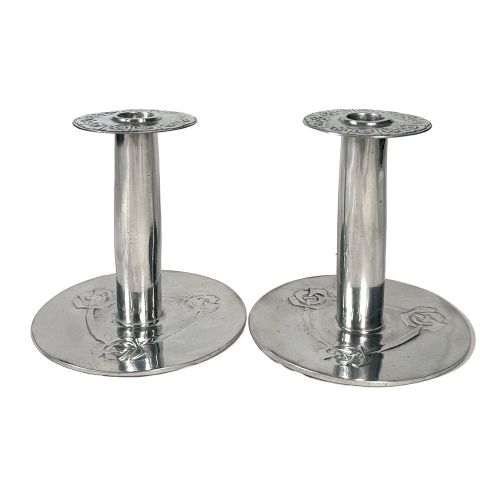
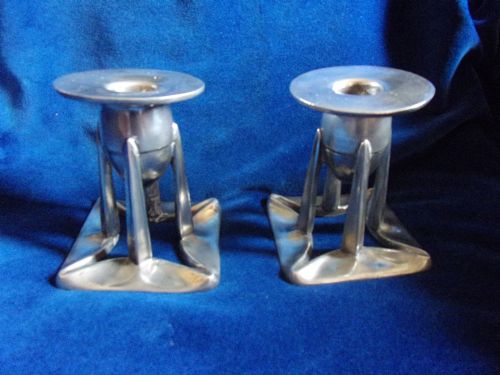
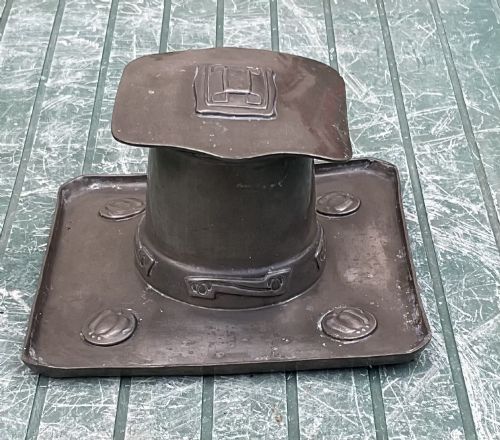
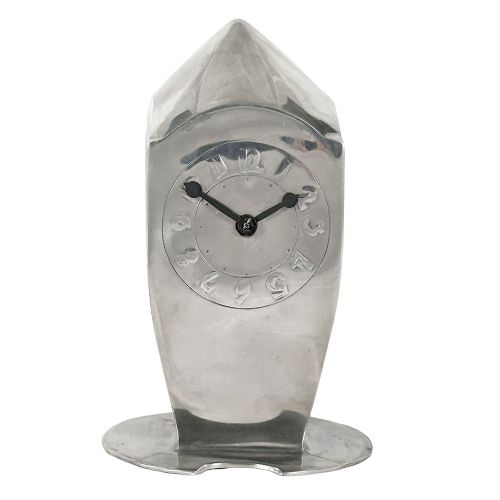
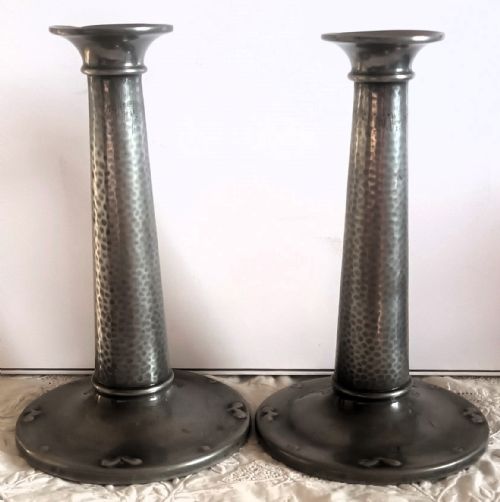
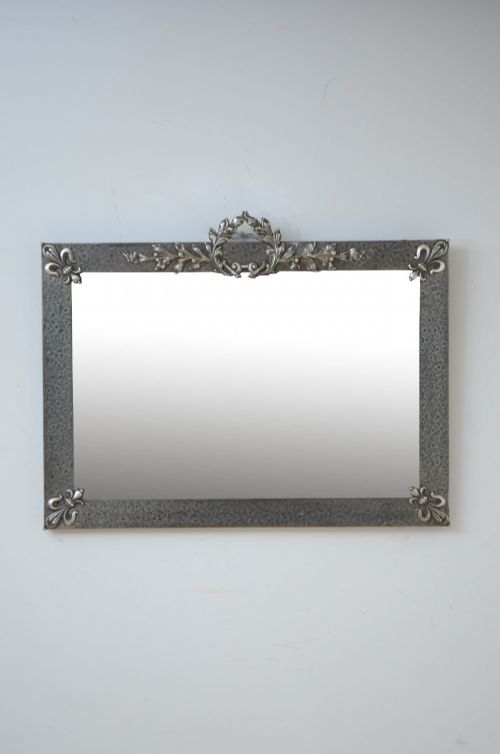
When you search for arts and crafts pewter, you encounter decorative items produced during a period spanning the late nineteenth century into the 1930s, with a heavy concentration of pieces from around 1900. These objects range from domestic utilities such as candlesticks, inkwells, bowls, and tankards to larger furnishings like wall mirrors and mantel clocks.
The objects frequently display characteristic stylistic influences from the Arts and Crafts movement and Art Nouveau, often bearing Celtic design elements or clean geometric lines. You are most likely to meet pieces associated with major retail outlets and specific designers from this era.
Forms remain practical yet decorative, encompassing tea and coffee sets, trays, and table lamps alongside smaller items like napkin rings and porringer bowls. The surviving examples demonstrate how metalwork served both ornamental and functional roles in domestic interiors.
Materials and Techniques
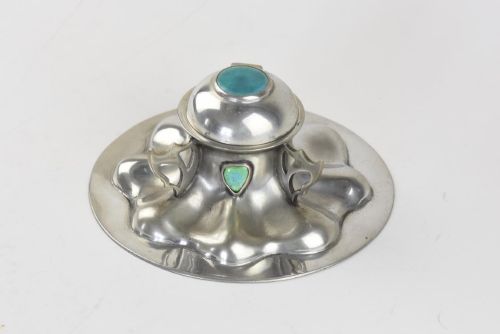
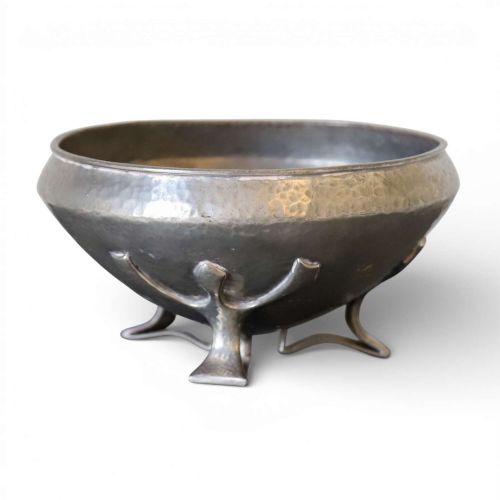
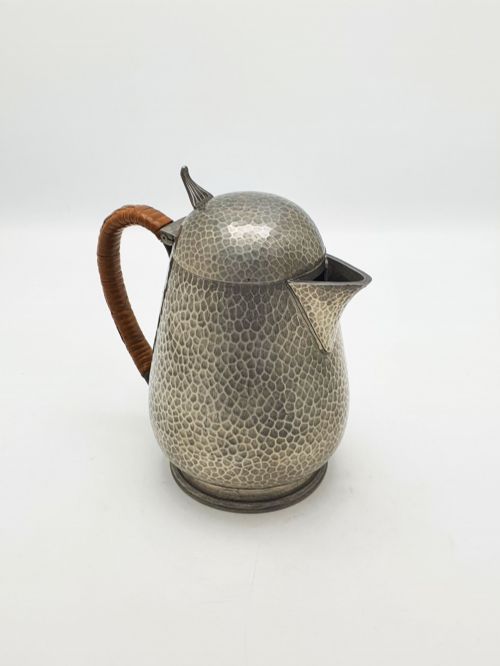
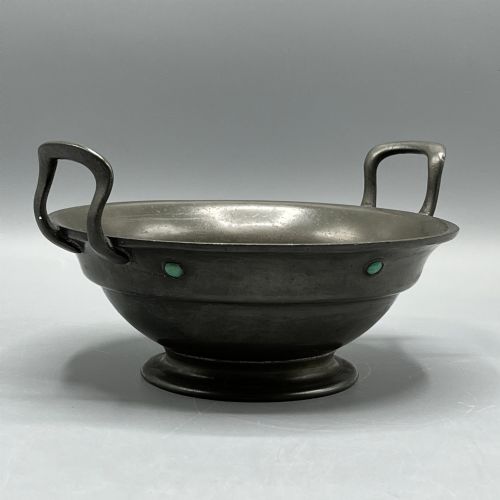
Makers utilised pewter as the primary medium, frequently shaping the metal through hand-beating and hammering techniques to create textured surfaces that catch the light. This metalwork is often combined with secondary materials such as enamel panels, coloured glass, or ceramic cabochons to add points of vibrant colour.
Certain designs incorporate natural elements like cane handles, wood inserts, or abalone shell and hard stone inlays within the metal frames. These mixed-media constructions highlight the period's emphasis on craftsmanship and the integration of diverse textures.
Production methods rely heavily on casting and patination, allowing workshops to achieve deep grey tones and polished highlights across candlesticks, clocks, and vessels. The physical evidence shows consistent attention to surface texture through beaten finishes and applied decorative studs.
The listings span periods from 1880 through the 1930s, with a high concentration of objects dated to 1900 and the Edwardian era.
Assessing Quality in Metalwork
Quality in these pieces is dictated by the crispness of the casting and the sensitivity of the hand-beating across the metal surface. Superior examples display deliberate, controlled hammer marks that enhance the form rather than obscuring its structural integrity.
The inclusion of high-grade embellishments, such as genuine Ruskin cabochons, well-fired enamel inserts, or Powell glass liners, elevates a piece within the range. The integration of these decorative elements requires precise alignment and secure mounting within the pewter framework.
Design attribution and manufacturer execution separate standard commercial output from exceptional studio or retail pieces. Stronger objects retain their original patination, balanced proportions, and clear maker or model numbers stamped into the metal.
Archibald Knox·William Hutton·Oliver Baker·David Veasey·Hugh Wallis·Talbot
The Arts and Crafts Pewter Glossary
- Tudric
- A trade name used for a specific range of pewterware introduced by Liberty & Co. The alloy typically contained a high proportion of tin to achieve a bright, silver-like finish.
- Cabochon
- An unfaceted gemstone or coloured glass polished to a smooth, convex dome. These are frequently set into pewter frames as focal points.
- Quaiche
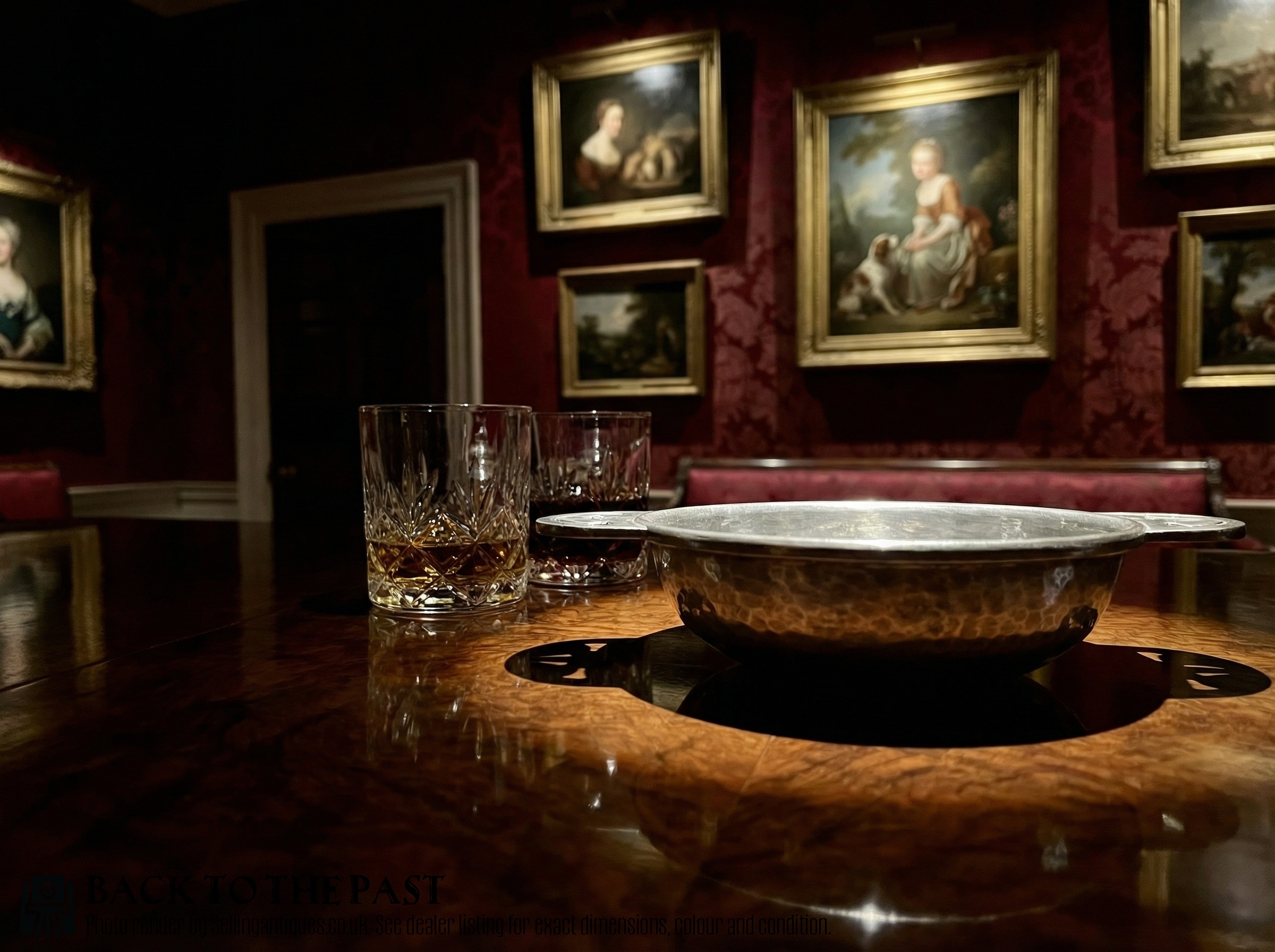
- A traditional Scottish two-handled drinking vessel, occasionally produced in pewter during the period. It functions as a shallow bowl with flat lug handles.
- Porringer
- A small bowl equipped with a single flat, pierced handle, used historically for porridge or broth. In this context, it often doubles as a small serving basin.
- Repoussé
- A metalworking technique where the metal is hammered from the reverse side to form a raised design in relief. It creates tactile surface decoration on trays and mirror frames.
Arts and Crafts Pewter: Frequently Asked Questions
What is Tudric pewter?
Tudric is a brand of pewter introduced by Liberty & Co around the turn of the twentieth century. It allowed prominent designers to produce affordable, artful domestic metalwork for the general public.
The alloy used for these pieces was formulated to maintain a bright, silver-like appearance without excessive tarnishing. Items bearing this mark often feature distinctive organic or Celtic revival motifs.
How do I care for antique pewter?
Antique pewter requires minimal intervention to preserve its historic surface and natural dark patination. Regular dusting with a soft cloth is usually sufficient for everyday maintenance.
Avoid using harsh commercial metal polishes, which can strip away the aged finish and damage softer details. If cleaning is necessary, use warm soapy water and dry thoroughly with a soft cloth.
Were these items made by hand?
Production methods combined industrial casting techniques with skilled manual finishing. Workers often hammered or beaten the surfaces by hand to create individual textures after the initial forming process.
Decorative elements like enamel panels and cabochons were meticulously set into the metal frames by hand. This blend of batch production and artisan detailing characterises the output of the period.
How do I identify Archibald Knox designs?
Knox designs are typically distinguished by fluid Celtic interlacing, stylized plant forms, and dynamic geometric framing. Many of these pieces also carry specific model numbers stamped directly into the base alongside the Tudric mark.
The aesthetic draws heavily on Isle of Man art influences, translating traditional motifs into modern Edwardian forms. These objects frequently integrate enamel or glass cabochons into the primary metal structure.