




Pewter Drinking Vessel
These pewter drinking vessel examples combine utilitarian function with centuries of metalworking heritage, offering collectors robust historical drinking vessels to display and handle.
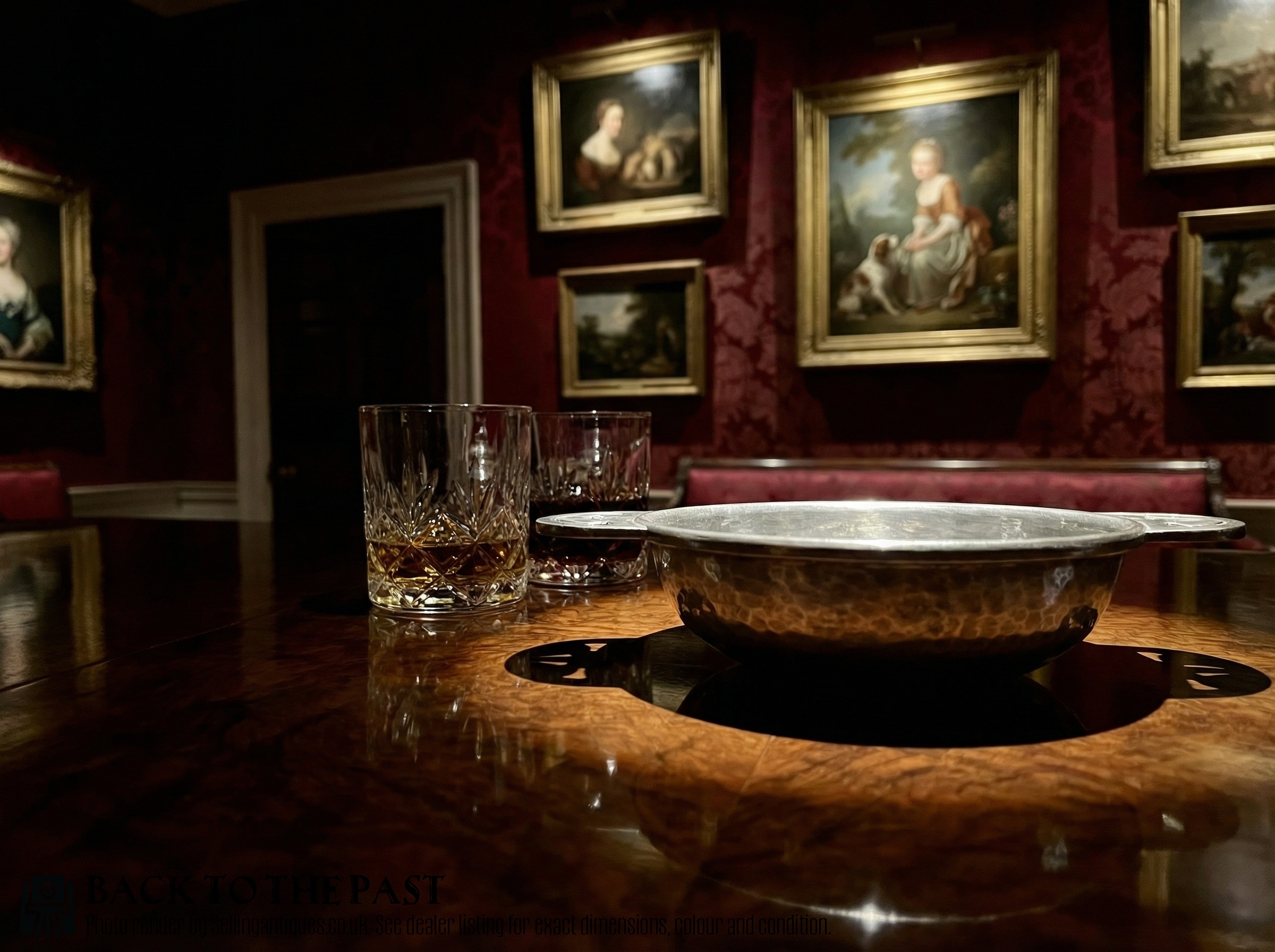
Pewter Drinking Vessel
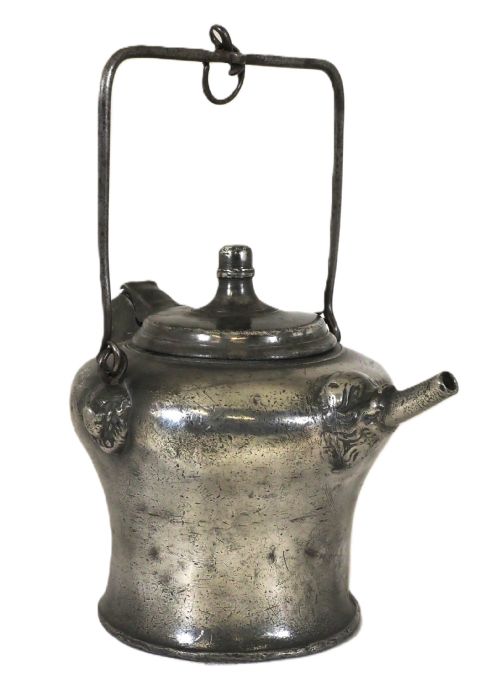
When you search for a pewter drinking vessel, you encounter a robust range of historical drinkware spanning multiple centuries and origins. The selection on this page centres primarily on British and Continental European examples, alongside occasional unexpected intersections with Eastern craftsmanship.
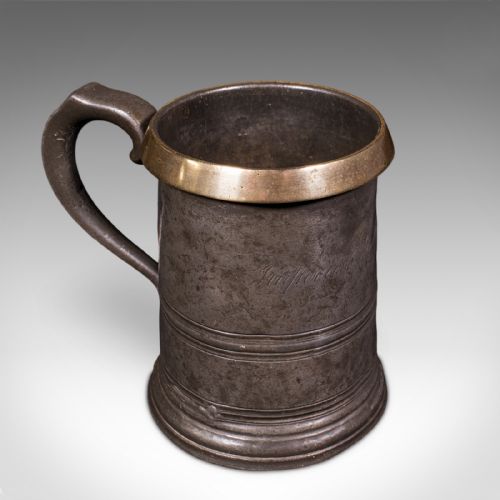
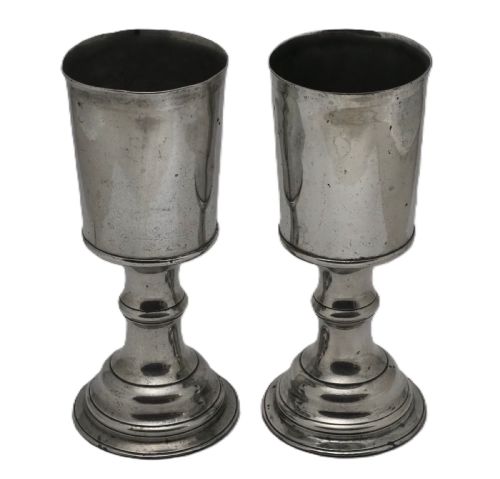
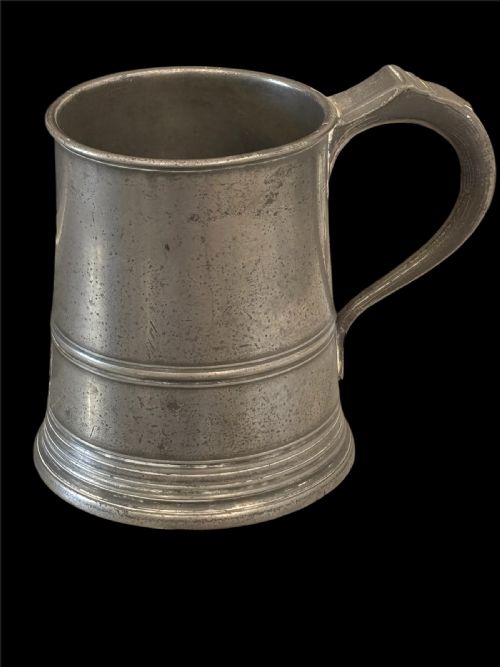
The dominant forms you are most likely to meet include sturdy quart and pint tankards, simple beakers, and ecclesiastical chalices. These items range from plain public house vessels designed for daily tavern use to more refined decorative pieces.
Geographic origins visible in the inventory stretch from English workshops to Dutch, Swiss, and German production centres. You also find specialised forms such as the Arts and Crafts tankards and quaiches produced in the early twentieth century.
How they were made
The primary material across these listings is pewter, a malleable metal alloy composed predominantly of tin combined with lead, copper, or antimony to achieve stability. Makers shaped these drinking vessels by casting the metal into moulds and subsequently hammering or turning the surfaces on lathes to refine the thickness.
Certain pieces incorporate supplementary materials to enhance their utility or decorative appeal. You encounter brass thumbpieces and hinges on lidded tankards, iron reinforcement elements, salt-glazed stoneware bodies, and even coconut shells intricately carved and wrapped around pewter cups.
Surface finishing techniques varied according to the period and intended use, ranging from bright polished finishes to heavy, dark patina accumulated through active service in domestic or tavern environments.
What varies in quality
Quality in a pewter drinking vessel rests upon the proportional weight of the metal and the crispness of its original casting. Substantial walls and heavy bases indicate a higher grade of manufacture, whereas thin or excessively warped bodies suggest utilitarian wear or inferior alloy proportions.
The integrity of construction details, such as securely soldered handles, snugly fitting dome lids, and tightly joined thumbpieces, distinguishes superior examples from standard workshop output. Maker marks, touchmarks, and ownership stamps also elevate a piece by providing verifiable provenance.
Aesthetics of design and decorative execution dictate the upper tier of the range, whether expressed through the restrained proportions of Georgian forms, Dutch Baroque styling, or the distinct organic motifs characteristic of the Arts and Crafts movement.
Burgum & Catcott of Bristol·Liberty & Co Tudric
The Pewter Drinking Vessel Glossary
- Pewter
- A malleable metal alloy primarily composed of tin, historically used for domestic tableware and drinking vessels. Its low melting point made it exceptionally well suited for casting into complex forms.
- Tankard
- A tall, cylindrical drinking vessel featuring a single handle, frequently equipped with a hinged lid and thumbpiece. They were standard tavern and household equipment from the seventeenth century onward.
- Quaiche
- A traditional Scottish two-handled drinking vessel, usually shallow and circular in design. It developed from wooden drinking bowls into refined pewter and silver presentation pieces.
- Touchmark
- An official stamp or hallmark impressed into pewter by a maker or guild member to guarantee alloy quality and workshop origin. These marks are essential for dating and attribution.
- Beaker
- A simple, straight-sided or slightly flared drinking vessel lacking a handle or stem. Early examples often display tapered walls and heavy weighted bases.
- Westerwald
- A German region renowned for salt-glazed stoneware production, occasionally mounted with pewter lids or collars. Pieces from this tradition appear alongside metal drinking vessels in early collections.
Pewter Drinking Vessel: Frequently Asked Questions
How do I clean antique pewter?
Antique pewter should be washed gently in warm water using mild soap, then dried thoroughly with a soft cloth. Avoid aggressive metal polishes that strip away the historic patina.
Leaving the surface unpolished preserves the dark, oxidation layers accumulated over centuries, which collectors value for historical authenticity.
Are these pewter vessels safe for drinking?
Many older pieces contain levels of lead in the pewter alloy that can leach into acidic beverages, making them unsuitable for regular daily consumption.
Examine the composition and age of the specific vessel before using it for modern dining, as twentieth-century pieces are generally safer than seventeenth-century counterparts.
How can I date an old tankard?
Dating relies on examining the overall form, handle shape, maker touchmarks, and construction methods. Earlier vessels often exhibit simpler, heavier walls and primitive hinge mechanisms.
Comparing touchmark registries helps narrow down the active years of the specific workshop or craftsman.