


Liberty Tudric Pewter
Liberty tudric pewter brings the distinctive geometry and organic motifs of the Arts and Crafts movement directly into domestic spaces through functional objects and clocks.
What Liberty Tudric Pewter Is
Liberty tudric pewter encompasses domestic metalware produced by the London store Liberty & Co during the Edwardian period and around 1900. These pieces embody the Arts and Crafts aesthetic through thoughtful design applied to everyday items.
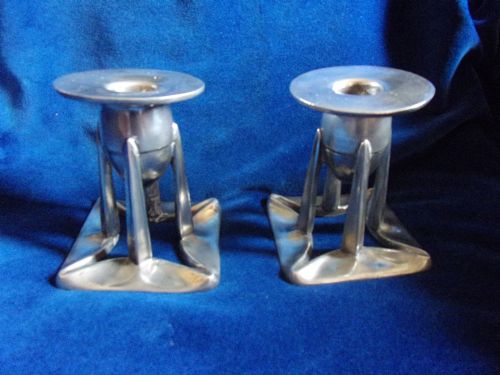
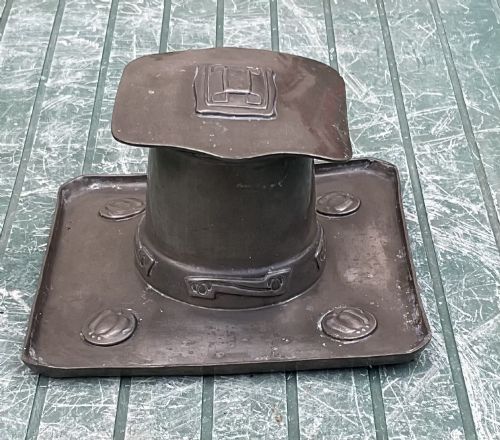
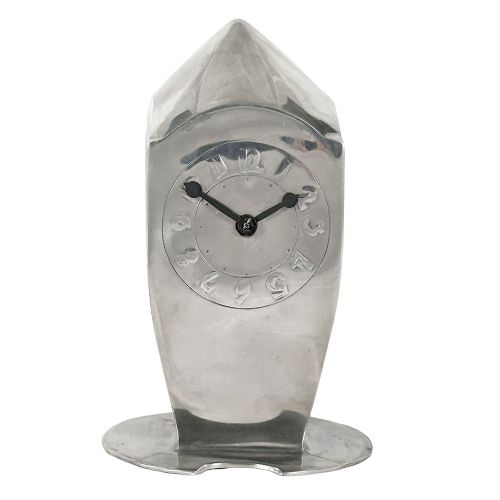
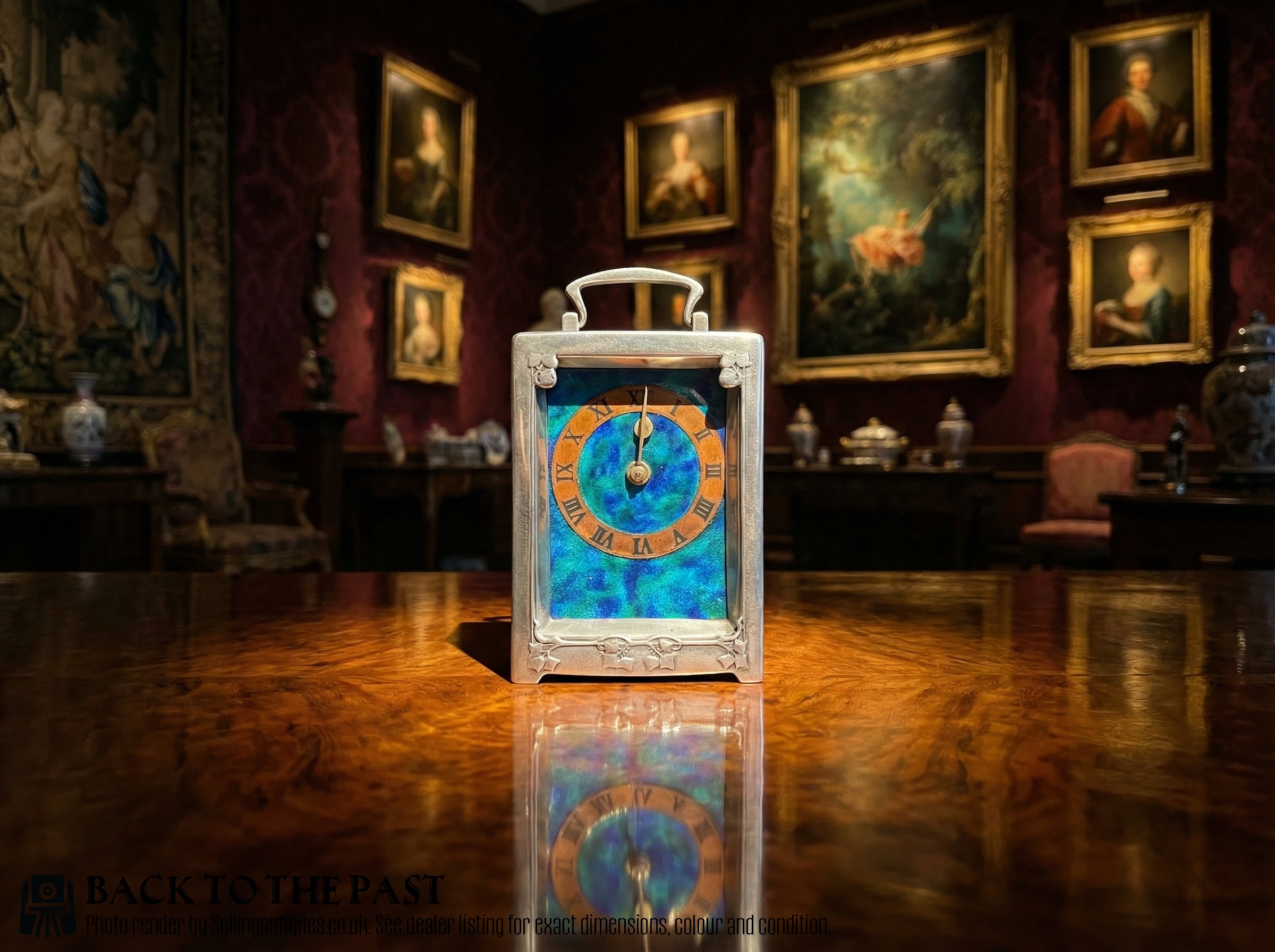
The objects appearing most frequently on this page range from drinking vessels and tea sets to timepieces and serving trays. Tankards and mantel clocks are particularly prominent forms within this metalwork.
Designs frequently incorporate Celtic interlacing, stylized flora, and geometric patterning typical of the period. This specific line of pewter represents a deliberate collaboration between commercial retail and avant-garde designers.
Materials and Construction
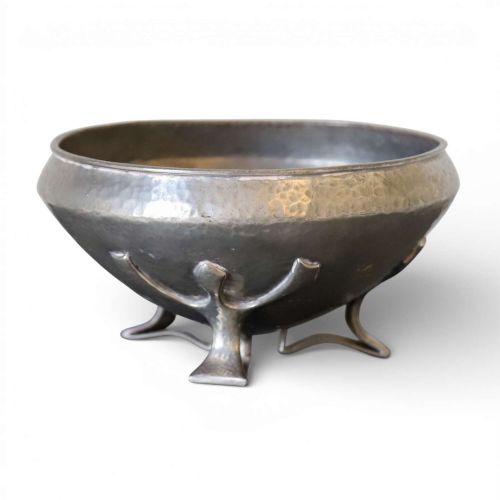
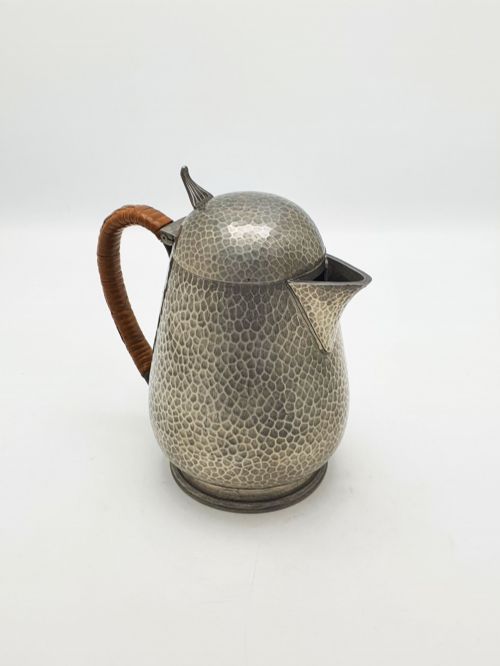
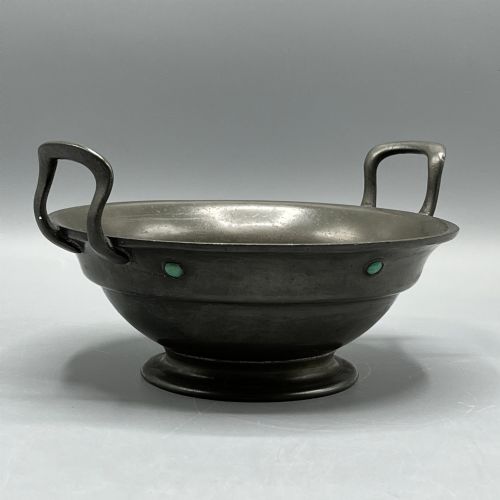
The primary material is solid English pewter, chosen for its malleability and deep grey lustre. Artisans often enhanced the metallic surfaces with contrasting elements such as vibrant enamel cabochons, copper details, hard stones, or oak bases.
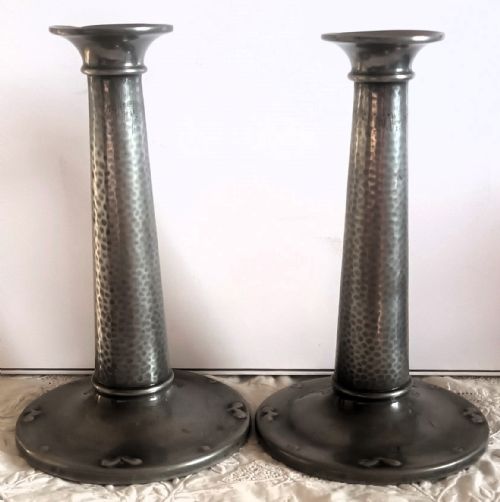
Manufacturing combined modern casting methods with hand-finishing techniques such as hammering. This left subtle surface textures that emphasised the individual character of each item rather than industrial uniformity.
Even a humble butter dish received elaborate Celtic interlace, proving Edwardians took their dairy presentation very seriously indeed.
Distinctions in Quality
Quality rests upon the crispness of the cast ornament and the integration of secondary materials like enamel and hard stones. Stronger examples display precise chasing and balanced proportions without distortion to the metal body.
The presence of named designer input elevates certain forms above standard production pieces. Condition also plays a role, particularly regarding the retention of original patination and the intact state of enamel insets.
Archibald Knox·David Veasey
The Liberty Tudric Pewter Glossary
- Tudric
- The trade name used by Liberty & Co for their range of pewter ware produced from the early twentieth century onwards. It denoted a specific standard of design and alloy composition.
- Arts and Crafts
- A design movement originating in the late nineteenth century that championed handcraftsmanship, traditional materials, and reform in decorative design. It rejected mass-produced industrial ornamentation.
- Cabochon
- A polished, convex gem or piece of enamel lacking facets, frequently set into metalwork as a focal point. These colourful insertions punctuate the grey pewter surfaces.
- Pewter
- A malleable metal alloy consisting primarily of tin, traditionally combined with copper and antimony. It has been used for centuries to create durable tableware and decorative objects.
Frequently Asked Questions
How do I identify genuine tudric pewter?
Authentic pieces typically bear specific stamped model numbers alongside maker or retailer marks associated with Liberty & Co. The weight, alloy composition, and distinct Edwardian styling further confirm origin.
Examination of the finish reveals the characteristic hand-hammered texture and quality of construction expected from this workshop.
Did Archibald Knox design all tudric pewter?
While Archibald Knox contributed many of the most iconic Celtic and floral designs for the range, other designers also supplied work. David Veasey is another notable designer whose clock faces and vessels appear within the archive.
Liberty collaborated with several talents to maintain a diverse catalogue of Arts and Crafts metalware.
How should I clean antique pewter?
Antique pewter requires minimal intervention to preserve its historical surface and patination. Gentle washing with warm water and mild soap, followed by immediate drying with a soft cloth, is generally sufficient.
Aggressive metal polishes should be avoided because they strip away the aged finish that collectors value.
What items were made in this range?
The production covered a broad spectrum of decorative and utilitarian household goods. Drinking vessels like tankards and mugs, tea sets, clocks, candlesticks, trays, and small boxes were all standard forms.
Many of these items combined pewter with enamel or wood to serve functional roles in Edwardian interiors.