




Antique Metal Serving Dish
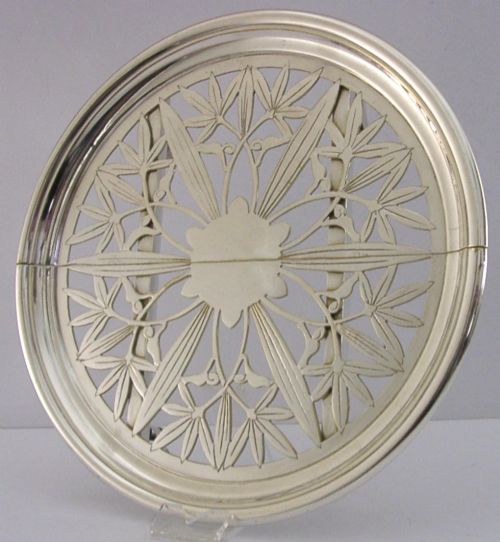
An antique metal serving dish brings heavy pewter, bright silver plate and hammered copper directly to the modern table.
Antique Metal Serving Dish
An antique metal serving dish encompasses broad rim chargers, platters, trays, and covered vessels designed for presenting food. These utilitarian and decorative pieces span from the seventeenth century through the Art Deco period.
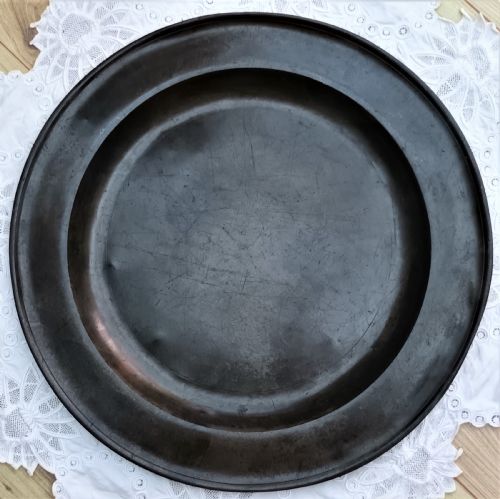
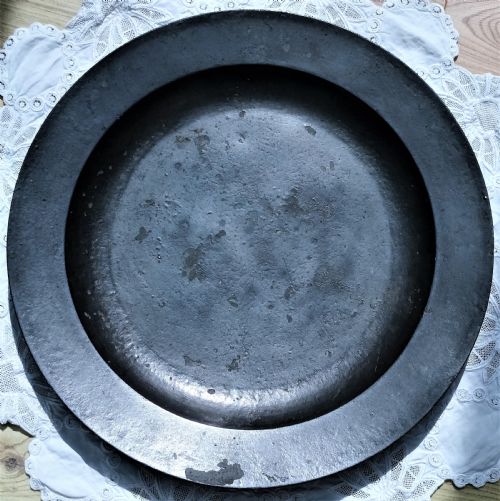
Pewter dishes from English makers dominate the selection alongside French silver plated vessels and copper trays. Examples range from simple plain rim plates to elaborate hammered chargers.
Forms extend from Georgian platters to Edwardian brass trays and French Art Deco bread baskets. Each piece reflects the dining customs and metalworking standards of its respective era.
Materials and construction methods
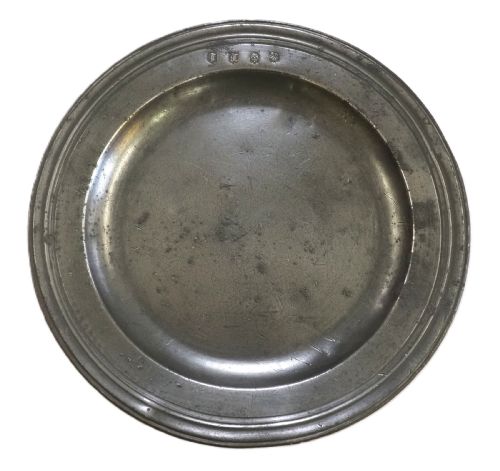
Pewter objects are cast and hammered, often displaying reeded borders or touchmarks left by English pewterers. Silver plate and Old Sheffield Plate apply a thin layer of silver over a base metal core through chemical or mechanical processes.
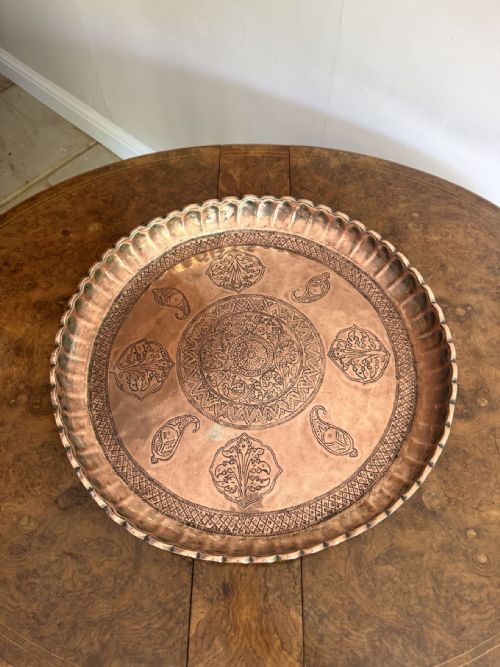
Copper and brass items rely on hand raising, spinning, and surface engraving or floral relief work. Cloisonne enamel pieces incorporate delicate wirework cells filled with coloured vitreous paste upon a metal base.
Listings feature items spanning four centuries, from Charles II pewter chargers to Art Deco silver plated baskets from France.
Assessing quality in metalware
Weight and gauge determine the structural integrity of a metal serving dish, with heavier gauges resisting distortion over centuries of use. The crispness of hand hammering, reeded rim details, and engraved motifs separates standard production from superior craftsmanship.
Maker marks, touchmarks, and original surface patination contribute significantly to the standing of a piece. Intact silver plating without excessive wear to the base metal indicates superior preservation.
Liberty & Co·John Duncomb·Samuel Smith·John Tubb·Thomas Alderson·Thomas Haward·Thomas Powell·Edward Leapidge I·Nehemiah Cloudesley·John Barlow·Christofle·Brille
The Antique Metal Serving Dish Glossary
- Charger
- A large large plate or dish historically used for serving principal courses or beneath smaller plates. These heavy vessels often feature broad rims and multiple reeded edges.
- Touchmark
- An identifying stamp or hallmark impressed by a metalworker or pewterer onto their finished product. These marks serve to identify the maker and confirm guild standards.
- Old Sheffield Plate
- A composite material formed by fusing a thin sheet of silver to a thicker copper ingot. This technique predates modern electroplating and produces a distinctive warm glow.
- Porringer
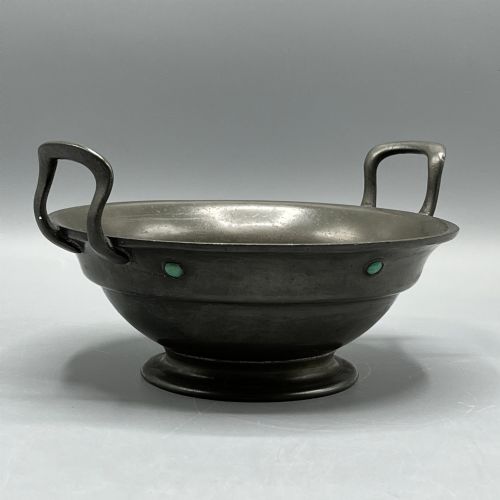
- A small, shallow bowl with one or two horizontal flat handles used for porridges or broths. They appear in fine metalware such as Tudric pewter.
- Tazza
- A low-profile pedestal dish or shallow bowl raised on a central foot. These pieces function as centrepieces for serving fruit or sweets.
Antique Metal Serving Dish: Frequently Asked Questions
How do I care for pewter and silver plate?
Pewter requires simple washing in warm soapy water followed by thorough drying with a soft cloth to preserve its dark, stable patina. Silver plate and Old Sheffield Plate benefit from occasional gentle cleaning with specialised non-abrasive polishes.
Avoid harsh chemical dips that strip away historical surface character and accelerated ageing.
How can I tell a seventeenth century charger from a Georgian one?
Early pieces from the seventeenth century typically feature wider rims, prominent multiple reeded borders, and heavy overall hand hammering. Georgian items often transition toward cleaner lines, plain rims, and standardised maker touchmarks.
Examining the weight, tool marks, and specific configuration of the rim provides reliable clues to the decade of manufacture.
What is the difference between silver plate and Old Sheffield Plate?
Old Sheffield Plate uses a mechanical fusion method where a sheet of silver is bonded to copper under heat before shaping. Silver plate usually denotes later nineteenth and twentieth century electroplating methods where a thin silver coating is applied via electrical current.
Inspecting the edges often reveals the underlying copper core in older fused pieces.