



English Pewter Chargers
English pewter chargers are substantial metal dining vessels of early date, prized by collectors for their historical weight and surface character.
English Pewter Chargers
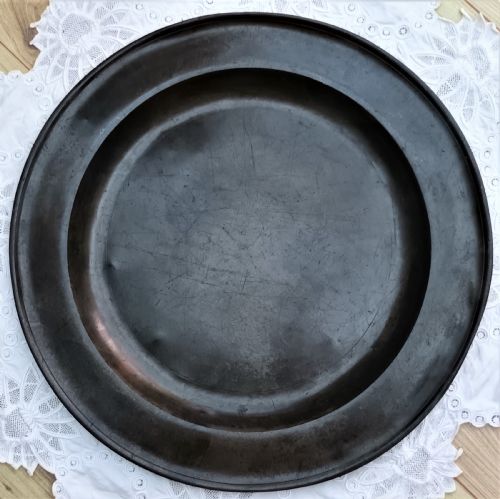
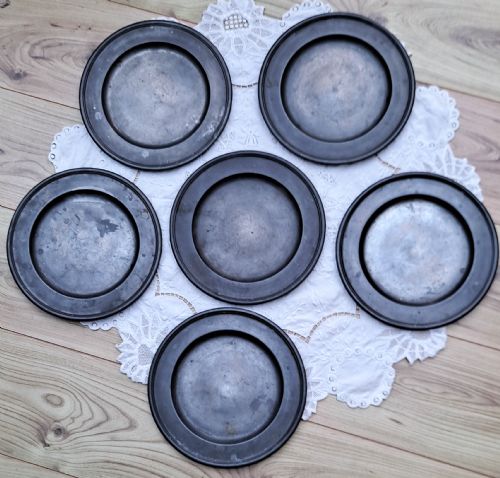
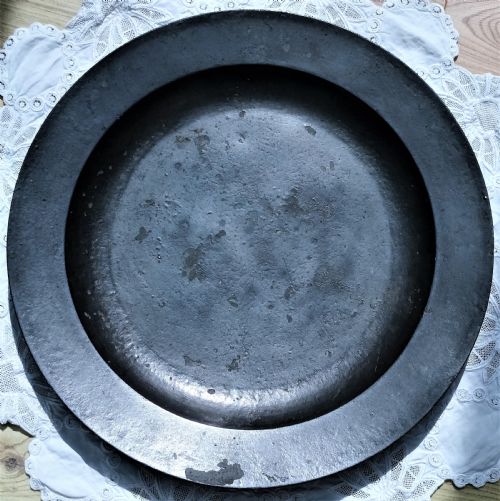
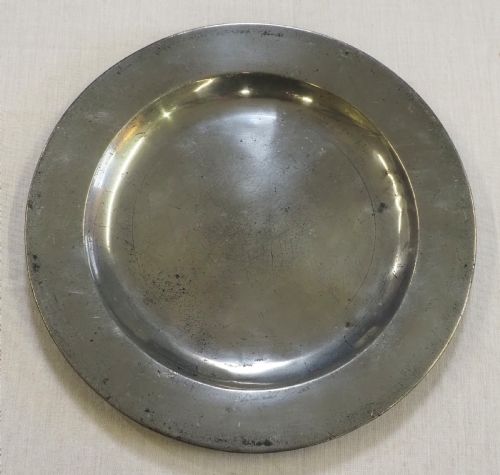
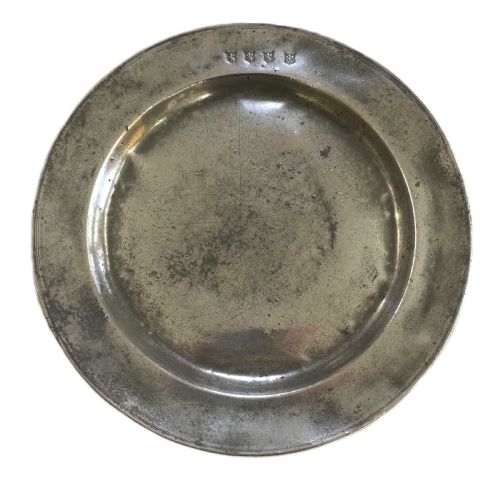
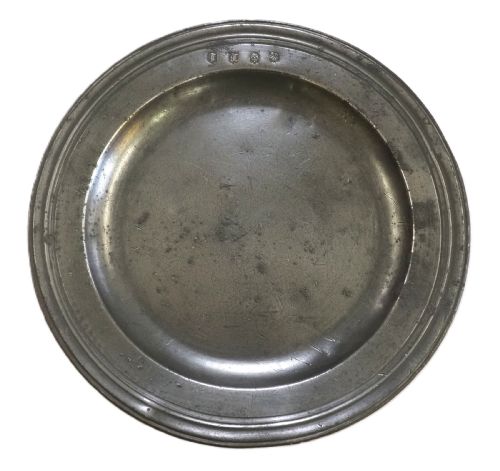
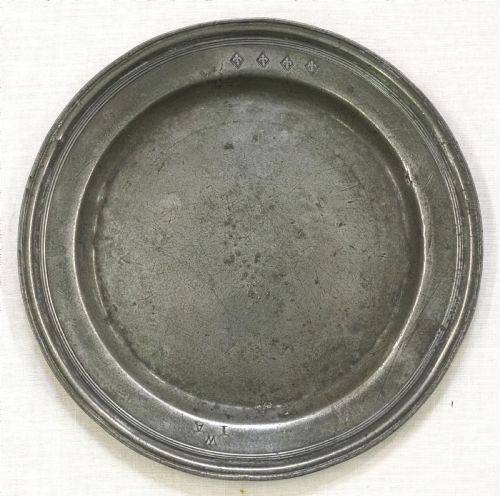
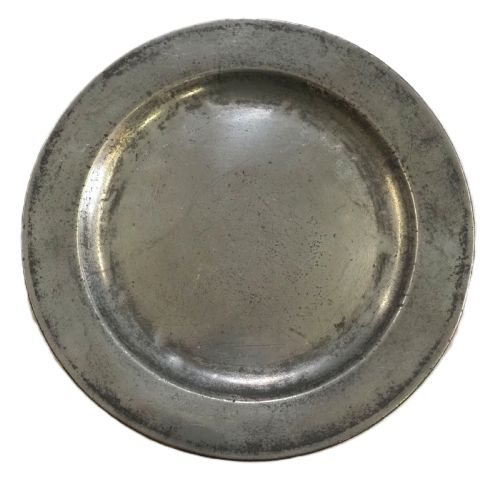
English pewter chargers appear in diverse forms including broad rim chargers, multiple reeded plates, plain rim dishes, and decorative platters. These vessels date across multiple periods such as the seventeenth century, the eighteenth century, and the nineteenth century, encompassing Georgian, Stuart, and Charles II styles.
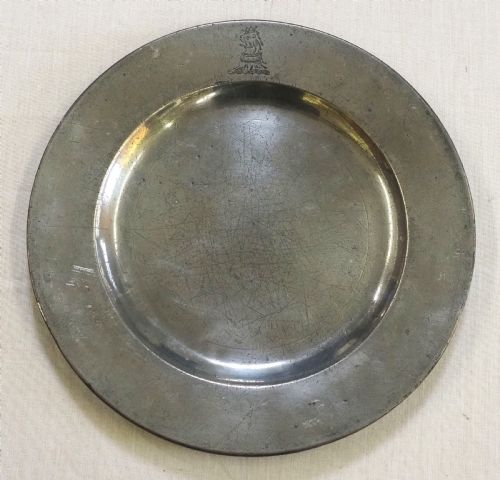
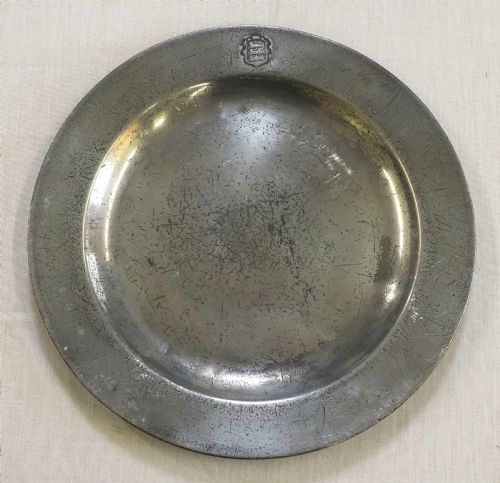
Buyers frequently encounter seventeenth-century broad rim examples alongside eighteenth-century Georgian dishes and later nineteenth-century plates. The selection spans humble plain rims to large chargers bearing maker touches, incised borders, or engraved crests.
Defining quality
Quality rests upon the crispness of the touchmarks, the proportion of the rim width to the well, and the survival of original surface texture. Early broad rim chargers with deep hammer marks command attention for their tactile presence.
Several plates proudly display the coat of arms for Great Yarmouth, hinting at centuries of civic banquets.
John Duncomb·William Wright·Samuel Smith·T & H Compton·James Spackman·Richard King·Wood & Michell·John Trapp II·John Tubb·Robert Moulins II·Humphrey Evans II·Thomas Templeman·Edward Leapidge I·Nehemiah Cloudesley·John Barlow·S Duncomb·Yates Birch & Spooner·William Banckes
The English Pewter Chargers Glossary
- Charger
- A large ceremonial or dining plate, typically exceeding sixteen inches in diameter. These substantial vessels formed the centrepiece of formal historical table settings.
- Touchmark
- The maker's stamp impressed into the pewter surface before sale. This mark often includes initials, names, or symbols registered with the worshipful company of pewterers.
- Reeded
- A decorative moulding consisting of parallel raised bands running around the rim of a plate or dish. Triple and multiple reeded variants appear frequently on seventeenth-century pieces.
- Broad rim
- A style featuring an exceptionally wide flat border surrounding a relatively small central well. This proportion is characteristic of late seventeenth-century chargers.
English Pewter Chargers: Frequently Asked Questions
What is an English pewter charger?
An English pewter charger is a large metal plate used for serving food or displaying wealth on a dining table during the seventeenth and eighteenth centuries.
These heavy vessels were cast and hammered from tin alloyed with small amounts of lead or copper, providing a durable surface for historic households.
How do I date an antique pewter plate?
Dating relies on stylistic shifts in rim width, the presence of reeded mouldings, and maker touchmarks recorded in historical pewterers' registers.
Broad flat rims typically indicate seventeenth-century manufacture, while narrower plain rims and specific maker surnames point toward Georgian or nineteenth-century periods.
Were pewter chargers used for dining?
Large chargers functioned primarily as display pieces or serving platters for communal dining before ceramicware became dominant on British tables.
Smaller related plates served individual diners, though many surviving examples show minimal wear due to their preservation by later collectors.
What do touchmarks tell us?
Touchmarks identify the individual workshop or master pewterer responsible for casting the vessel, serving as a guarantee of metal standard.
These stamped initials and symbols help historians connect surviving pieces to specific towns, working dates, and trade guilds.