




Vintage Pewter Platters
These vintage pewter platters combine heavy metal weight with centuries of domestic utility, offering a direct link to early dining habits.
Vintage Pewter Platters
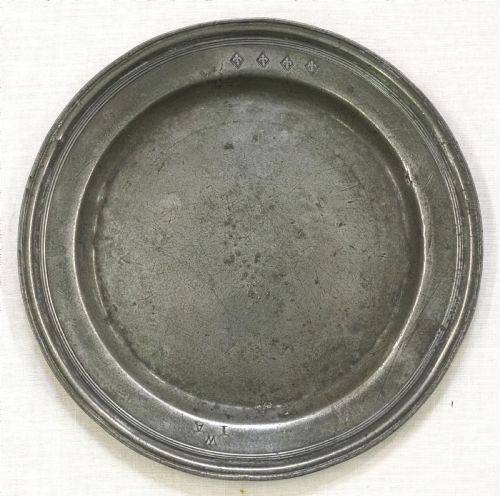
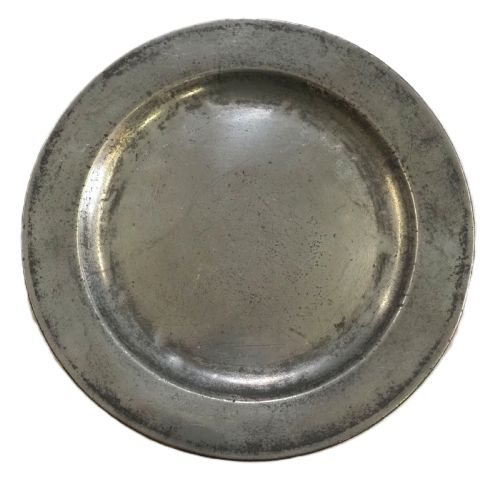
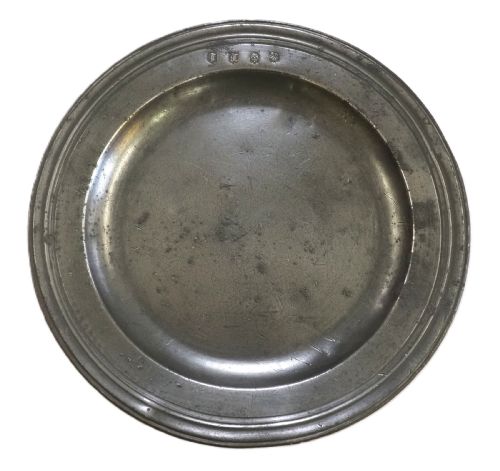
Vintage pewter platters and plates span from the seventeenth century through the Georgian era and into the Arts and Crafts movement. Buyers looking at this selection encounter charger plates, serving trays, and decorative wall plates shaped by English makers.
The versions most commonly met on this page are eighteenth century Georgian dishes alongside seventeenth century reeded plates and late nineteenth century beaten serving trays. These objects serve as both functional tableware and historic display pieces.
Originating largely from English workshops, these items demonstrate traditional metalworking methods across plain rim and triple reeded designs. Each piece reflects the aesthetic priorities of its specific period of production.
Materials and construction
These items are cast and hammered from pewter, an alloy traditionally composed of tin combined with lead, copper, or antimony. Makers formed the plates and chargers by casting the metal in moulds before finishing the surfaces by hand.
Later Arts and Crafts pieces utilise beaten techniques, where artisans hammered the metal sheets by hand to create visible surface textures. Earlier examples display turned rims and reeded edges shaped on lathes or inscribed with decorative lines.
Vintage Pewter Platters Retail Price Guide 2026
Typical asking prices for vintage pewter platters among the pieces listed under this phrase on Sellingantiques today, from the lower quarter to the upper quarter. They describe what is for sale here now, not the wider market.
Assessing quality and craftsmanship
Quality in these metal objects depends upon the crispness of the maker touch marks and the retention of original rim thickness. Plates that retain their deep initial heft and clear touchmarks command greater interest.
The balance between utilitarian wear and structural integrity separates standard examples from exceptional survivals. Well-defined reeding and carefully hammered surface textures indicate superior workshop skill.
William Wright·T & H Compton·John Tubb·Robert Moulins II·Humphrey Evans II·Liberty & Co·Nehemiah Cloudesley·S Duncomb
The Vintage Pewter Platters Glossary
- Charger plate
- A large decorative or serving plate placed beneath other courses or displayed on walls. These large vessels formed the centrepiece of formal early dining tables.
- Reeded rim
- A decorative border featuring parallel raised rings or mouldings around the edge of the plate. This detail appears frequently on seventeenth century English plates.
- Touch mark
- The stamp or hallmark struck by a pewterer into the metal to certify their identity and workshop standard. These marks allow researchers to identify the maker and working dates.
- Plain rim
- A simple, flat or slightly sloped border lacking complex mouldings or reeding. This understated style appears across eighteenth century English tableware.
Vintage Pewter Platters: Frequently Asked Questions
How do I date antique pewter platters?
Dating relies on identifying the maker touch marks stamped into the metal and examining the rim style. Seventeenth century examples often feature complex reeding, while plain rims and specific hallmarks point towards eighteenth century production.
Changes in metal composition and weight also help differentiate earlier cast items from later nineteenth century beaten Arts and Crafts production.
Were these platters used for dining?
Yes, many of these pieces served as functional tableware for serving meat and communal dishes during the seventeenth and eighteenth centuries. Large chargers held substantial joints of food at formal meals before transitioning to decorative wall display.
Later Arts and Crafts platters were frequently produced specifically for interior decoration rather than regular dining use.
How should I clean antique pewter?
Antique pewter requires minimal cleaning to preserve the soft grey patina accumulated over centuries. Dusting with a dry cloth is generally sufficient for regular maintenance.
Avoid modern metal polishes, which can strip away historic surface characteristics and diminish the value of the piece.
Can I hang these platters on the wall?
Many larger chargers and plates feature traditional proportions well suited for wall display, a practice common in historic domestic interiors. Using appropriate, non-damaging wire display hangers ensures the metal rim remains undamaged.
Ensure the wall fixings can support the substantial weight of solid metal plates.