

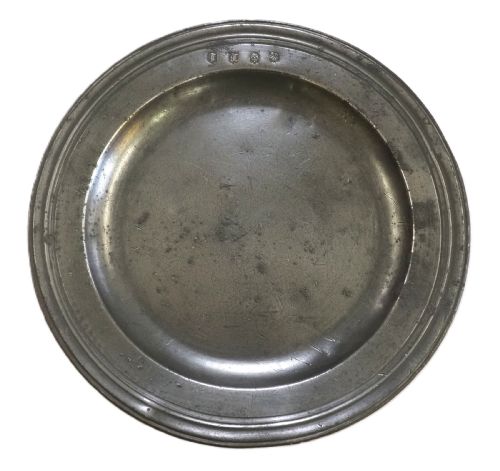
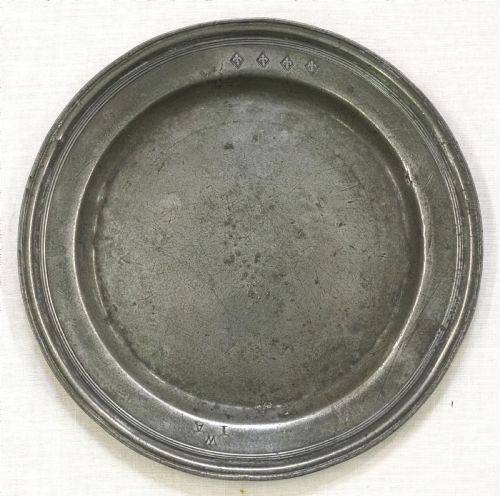
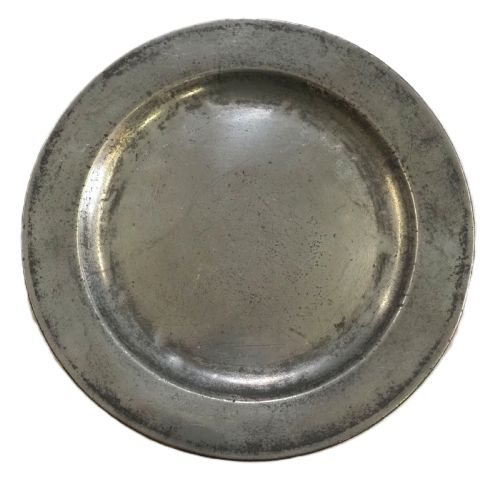


Grey Metal Charger
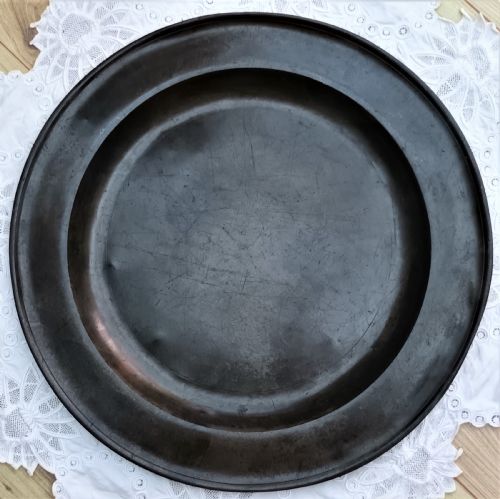
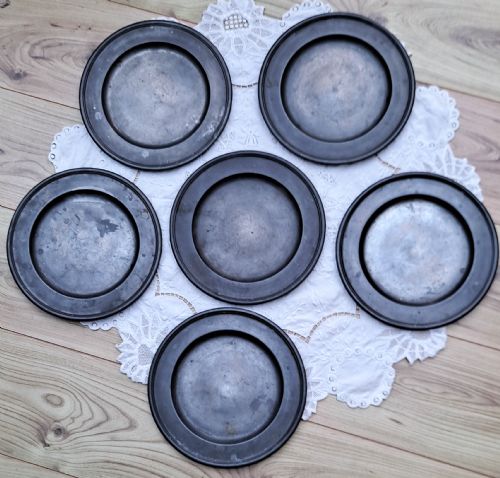
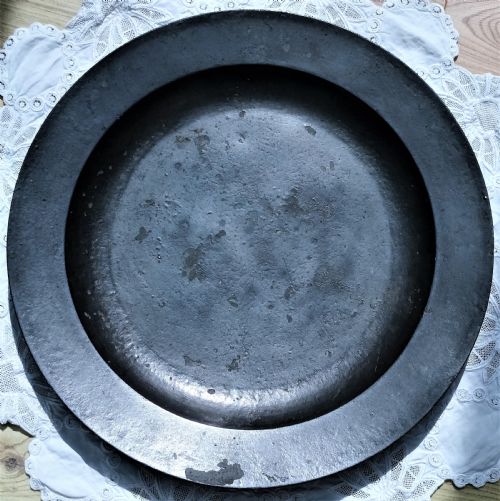
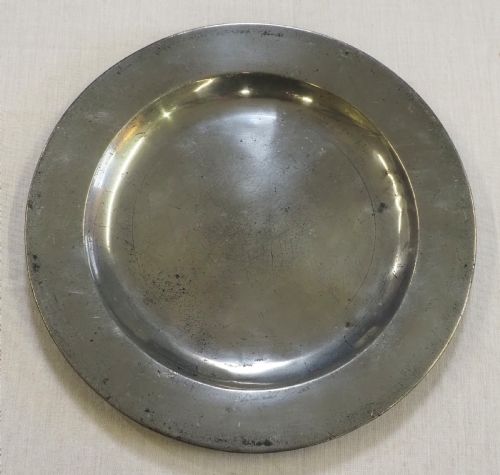
A grey metal charger is a wide, heavy serving dish in pewter, prized by collectors for its subtle metallic sheen and centuries of domestic history.
Grey Metal Charger
When you search for a grey metal charger, you encounter large circular dining vessels and serving plates formed from historic pewter. These pieces range from seventeenth-century broad rim chargers to eighteenth-century plain rim and triple reeded examples originating in England and wider Europe.
The selection here includes smaller plates, deep plates, toilet basins, and substantial chargers measuring over twenty inches across. Makers from the Charles II, William and Mary, and Georgian periods dominate the forms, reflecting centuries of utilitarian dining ware that survived through careful preservation.
Many items display specific rim treatments, such as multiple reeding, wavy edges, or incised lines, alongside occasional family crests and commemorative inscriptions. These details help distinguish everyday tavern and household service items from formal dining display pieces.
Materials and construction
Every piece listed relies entirely on pewter, an alloy traditionally composed of tin alloyed with copper, lead, or antimony to achieve durability and weight. Makers shaped these metal sheets through casting and hammering, producing the substantial thickness observed in broad rim chargers.
Surface finishing involved lathe turning to smooth the plates and hand hammering across the metal to harden the alloy and flatten the cavetto. Makers applied touchmarks and hallmarks directly into the soft metal surface to record their workshop origins and compliance with guild standards.
The listings span three centuries of pewter production, featuring objects made from seventeenth-century origins through to the nineteenth century.
Judging quality in historic pewter
Quality rests upon the crispness of the maker touchmarks, the original thickness of the metal, and the preservation of surface hammering. Pieces that retain their full rim width and structural integrity without excessive thinning from centuries of scouring stand higher in the range.
The definition and depth of rim details, such as triple reeding or engraved family crests, separate standard utilitarian plates from exceptional commissions. Proportion between the well and the broad rim also governs the visual balance of the charger.
John Duncomb·William Wright·Samuel Smith·T and H Compton·Richard King·John Tubb·Robert Moulins II·Humphrey Evans II·Thomas Alderson·Lawrence Dyer·Thomas Haward·Thomas Powell·Edward Leapidge I·Nehemiah Cloudesley·John Barlow·Thomas Templeman·Yates Birch and Spooner
The Grey Metal Charger Glossary
- Charger
- A large decorative or serving dish, typically exceeding sixteen inches in diameter, used for grand dining or display.
- Pewter
- A malleable metal alloy consisting primarily of tin, used historically for tableware and domestic vessels.
- Touchmark
- An identifying stamp struck into metalwork by a maker or workshop to denote quality and origin.
- Reeded
- Decorated with parallel raised moulding or bands around the rim of a plate or dish.
- Cavetto
- The concave transitional curve between the flat rim and the central well of a plate.
Grey Metal Charger: Frequently Asked Questions
What is a grey metal charger?
A grey metal charger is a large historic plate cast from pewter, traditionally used for serving food or displaying wealth at formal dining tables.
These pieces span the seventeenth, eighteenth, and nineteenth centuries, featuring distinctive grey patinas developed through age and oxidation.
How were pewter chargers used?
In historical households, these large dishes served meat courses at the centre of the table or acted as under-plates for smaller vessels.
Over time, many transitioned into decorative display items hung on walls or arranged on dresser shelves to showcase their metallic lustre.
How do I date a pewter plate?
Dating relies on stylistic clues like rim width, reeding patterns, and the presence of maker touchmarks stamped into the metal.
Narrow rims often indicate earlier seventeenth-century manufacture, while broad flat rims and specific touchmark registries help narrow down the decade.
Can I use antique pewter for dining?
Historic pewter often contains lead or other metal impurities that make modern food use inadvisable, especially with acidic foods.
Most collectors treat these items as decorative works of art or historical artefacts rather than functional tableware.
What causes the grey patina?
The distinctive soft grey tone develops naturally over centuries as tin oxidises and interacts with handling, air, and cleaning.
This accumulated surface appearance forms an essential part of the antique character and should not be aggressively polished away.